
Brain work for dogs
How to mentally stimulate a dog: work that tires them out
Owners often try to fix a restless dog with longer walks and get a fitter restless dog. Brain work is the missing half, and it is the half that still works when a Houston storm, a heat advisory or a hurricane-season power cut keeps everyone indoors.
Last reviewed September 29, 2026 · by the Best Dog University Team
Before you start
Before you start: a meal to spend, a nose to use and a list of skills to teach.
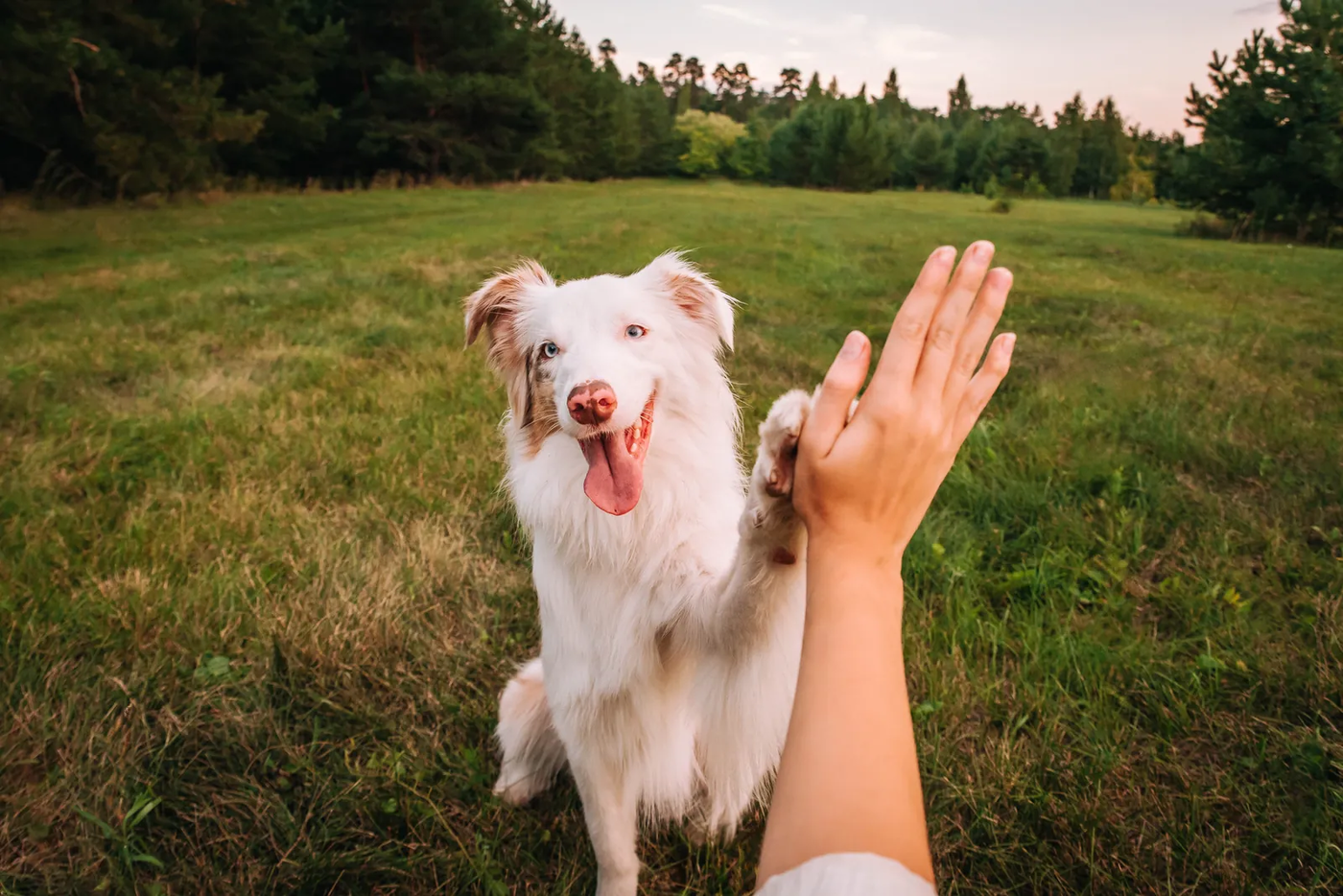
You already own most of what you need. The dog's daily food becomes the reward budget for the day, measured out in the morning so nothing extra is added. A muffin tin, a few cardboard boxes, an old towel for rolling treats into, and one or two sturdy puzzle feeders cover the rest. Write down five things you would like your dog to learn this month, a trick, a better stay, a chin rest for handling, so each session has a point.
The Houston caveat cuts both ways. In summer and during storm weeks, brain work is the exercise, so plan for more of it from June to September. And some games need care in the heat: a sniff walk on hot pavement is not a sniff walk, it is a burn, so the slow walk happens at dawn on grass or in the shade of the greenbelt. Keep a no-power version of every game for hurricane-season outages.
- The day's food as the reward budget
- Boxes, a muffin tin, a towel, a puzzle
- Five skills written down for the month
- A no-power plan for storm weeks
The plan
Seven steps to a daily routine of work that tires the brain.
Start with the easiest version of each step so the dog wins, then make one thing harder each week. A game that is too hard leaves a dog frustrated, barking or chewing the puzzle, and a game that is too easy is a snack. Aim for the dog to succeed about eight times in ten, and put the puzzle away the moment the dog starts to lose interest or get rough with it.
Retire the bowl for breakfast: scatter the meal on the lawn or a towel indoors, or load it into a muffin tin with tennis balls on top, so the dog has to work for it
Run two ten-minute training sessions a day that teach something new, a spin, a bow, backing up, a chin rest, paid from the day's food
Start a scent game: three boxes, one with a treat, the dog released to find it; then more boxes, then boxes in another room, then a treat tucked into a closed box
Practice impulse control as a game: a wait at the door, a leave-it with food on the floor, a stay while you roll a ball past, each paid heavily
Take one slow sniff walk a day on a longer leash, letting the dog choose where to stop, at dawn in summer
Teach something by shaping once a week: reward small steps toward a goal, such as putting two paws in a box, so the dog learns to experiment
End the day with a long-lasting chew on the place bed, which is calming, quiet work in itself
What counts
Sniffing, choosing and learning count; watching a ball fly does not.
Not every activity that looks busy is brain work. Chasing a ball over and over is mostly physical and often winds a dog up, and a dog park is mostly social noise. The work that tires a brain involves a problem the dog has to solve: where the smell is coming from, what behavior earns the treat, how to hold still while something exciting happens. That is why a ten-minute session teaching a new trick leaves many dogs ready for a nap.
The skills pay you back, too. A dog that has learned to learn picks up house rules faster, settles more easily and handles new places better, because it is used to working out what you want. Most families notice the change in the evenings first: less pacing, less barking at the window, and a dog that finds its bed on its own.
- A problem to solve, not just motion
- Nose work is the richest kind
- Training sessions are brain work
- Watch the evenings for the change
Troubleshooting
When it is not working: games pitched wrong, arousal at bedtime, or a need that is not boredom.
If the dog is still restless after two weeks, check three things. The games may be pitched wrong: too hard and the dog quits or destroys the puzzle, too easy and it finishes in thirty seconds. Adjust one step at a time. The timing may be wrong: an exciting game right before bed leaves a dog wide awake, so put the calm work, chews and sniffing, in the evening and the lively games earlier.
Or the restlessness is not boredom. A dog that paces, pants and cannot settle even after a good day of work may be anxious, uncomfortable or unwell, and brain games will not fix that. A vet check rules out pain. A dog that follows you from room to room and falls apart when you leave is showing separation distress, which needs its own plan rather than more puzzles.
- Adjust the difficulty one step at a time
- Calm work in the evening
- Pacing after a full day may be anxiety
- A vet check rules out pain
When to get help
When to get help: a clever dog with nothing to do, or a dog that cannot switch off.
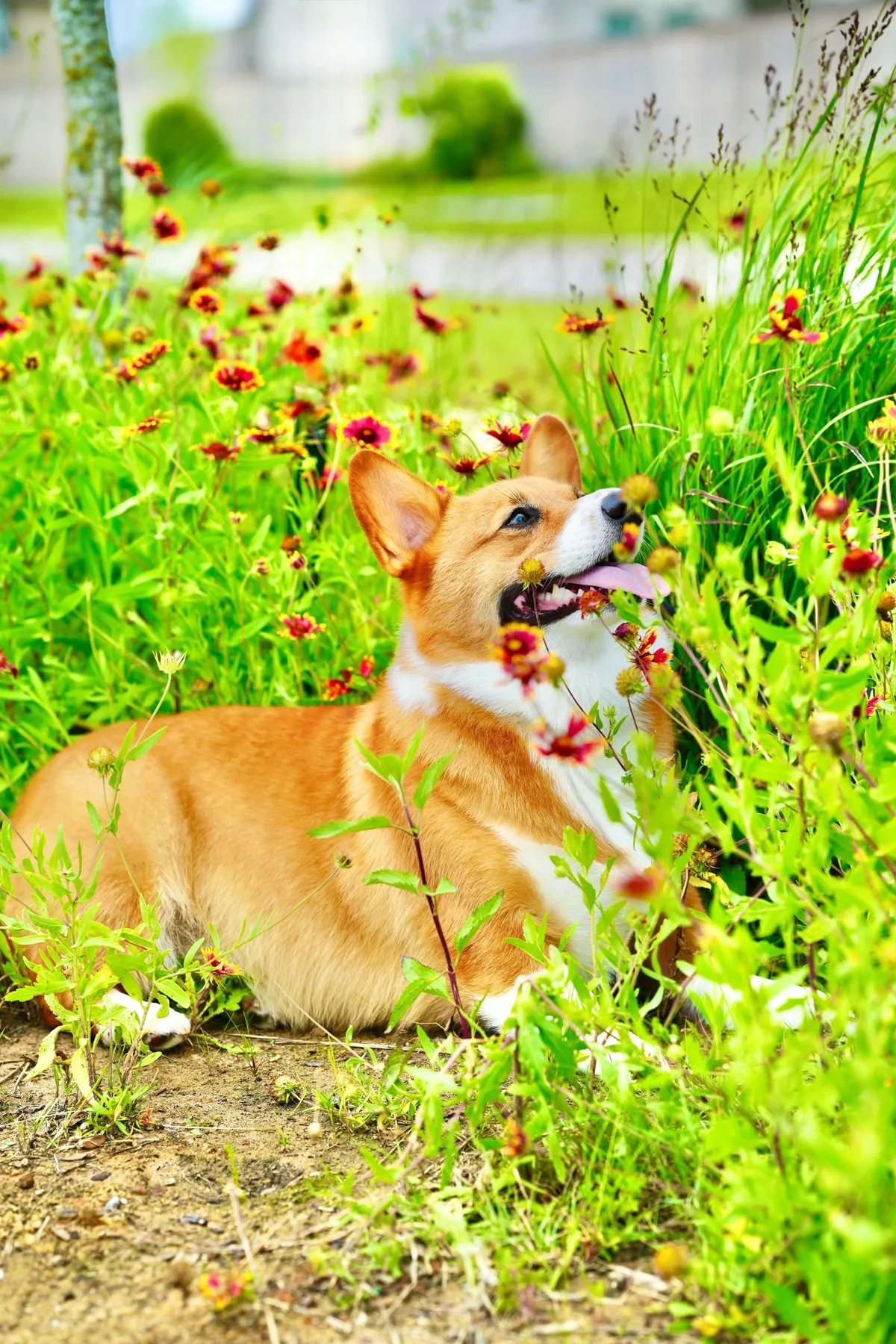
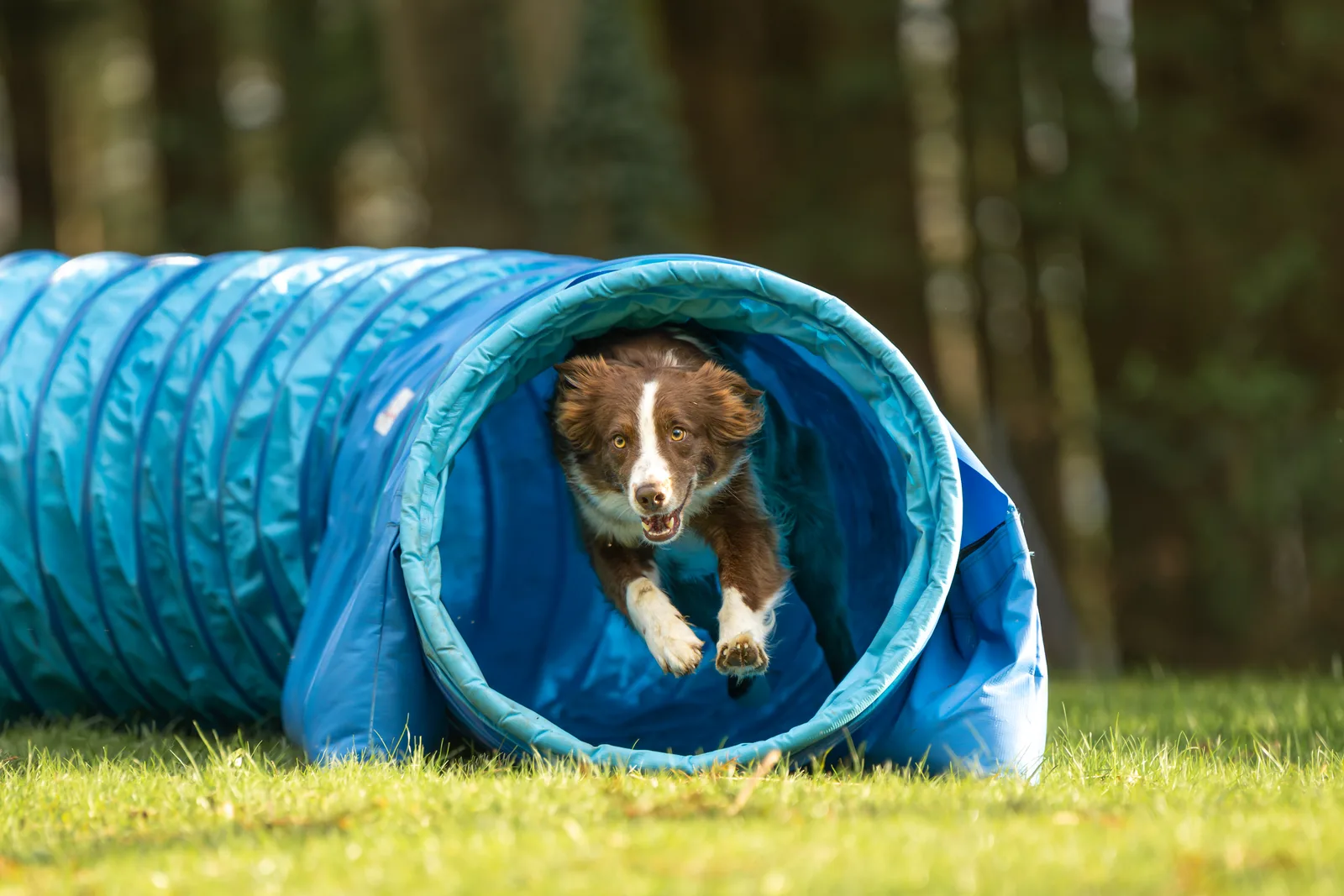
For a bright dog that already knows the basics, the two-week Free-Style Board & Train at $2,500 teaches tricks and engagement, paw, spin, twirl, weave and center, and the two-week Agility Board & Train at $2,500 teaches weave poles, jumps, tunnels and the A-frame to energetic dogs; both give you a toolkit of brain work to keep going at home. A dog that cannot switch off at all is a hyperactive dog, and the two-week Gold program at $2,500 builds the calm first.
The programs
Programs that give a busy brain a job.
Free-Style for tricks and engagement, Agility for energetic dogs with basic obedience, Gold when the dog has to learn calm first.

Asked and answered
Questions people ask about this.
How much mental stimulation does a dog need each day?
Most dogs do well with fifteen to thirty minutes of real brain work a day, split into short pieces: a meal from a puzzle or scatter, two short training sessions and a sniff walk. Young, working and herding breeds often need more. The sign you have it right is a dog that settles on its own in the evening.
Are puzzle toys enough?
Puzzles are a good start, but a dog solves the same puzzle quickly and it stops being work. Rotate them, make them harder, and add training sessions and scent games, which never run out of new versions. Learning a new behavior with you is usually the most tiring work of all.
Is sniffing on walks really tiring for dogs?
Yes. Using the nose is demanding work for a dog, and a slow walk where the dog chooses where to sniff often leaves it calmer than a brisk walk of the same length. Pick a route with grass and shade, go at first light in summer, and let the leash be long.
Can mental stimulation replace physical exercise?
Not completely, but it can carry more of the load than most people expect, especially through a Houston summer. Most dogs need both: a walk or active game for the body and daily brain work for the mind. On heat advisory days, brain work can cover most of the day safely.
What is the easiest brain game to start with?
Scatter feeding. Throw a handful of the dog's kibble across the lawn or a towel and let it hunt for each piece. It needs no equipment, turns a two-minute meal into a ten-minute search, and teaches the dog to use its nose. Then move on to the three-box game.
Keep reading
Free consultation · 10% off this fall
Give the brain a job every day.
Tell our team what your dog does with its spare energy. The free phone consultation is a direct call with our trainers.