
Breed training guides
How to train a chihuahua: fear, snapping and the stranger at the door
A snapping chihuahua is almost always a frightened one. Our trainers work from that starting point: fewer hands reaching in, more choices for the dog, and a structure that shows a small dog it does not have to protect itself or its person.
Last reviewed September 29, 2026 · by the Best Dog University Team
The breed
A tiny, loyal dog that watches everyone, and why that matters at home.
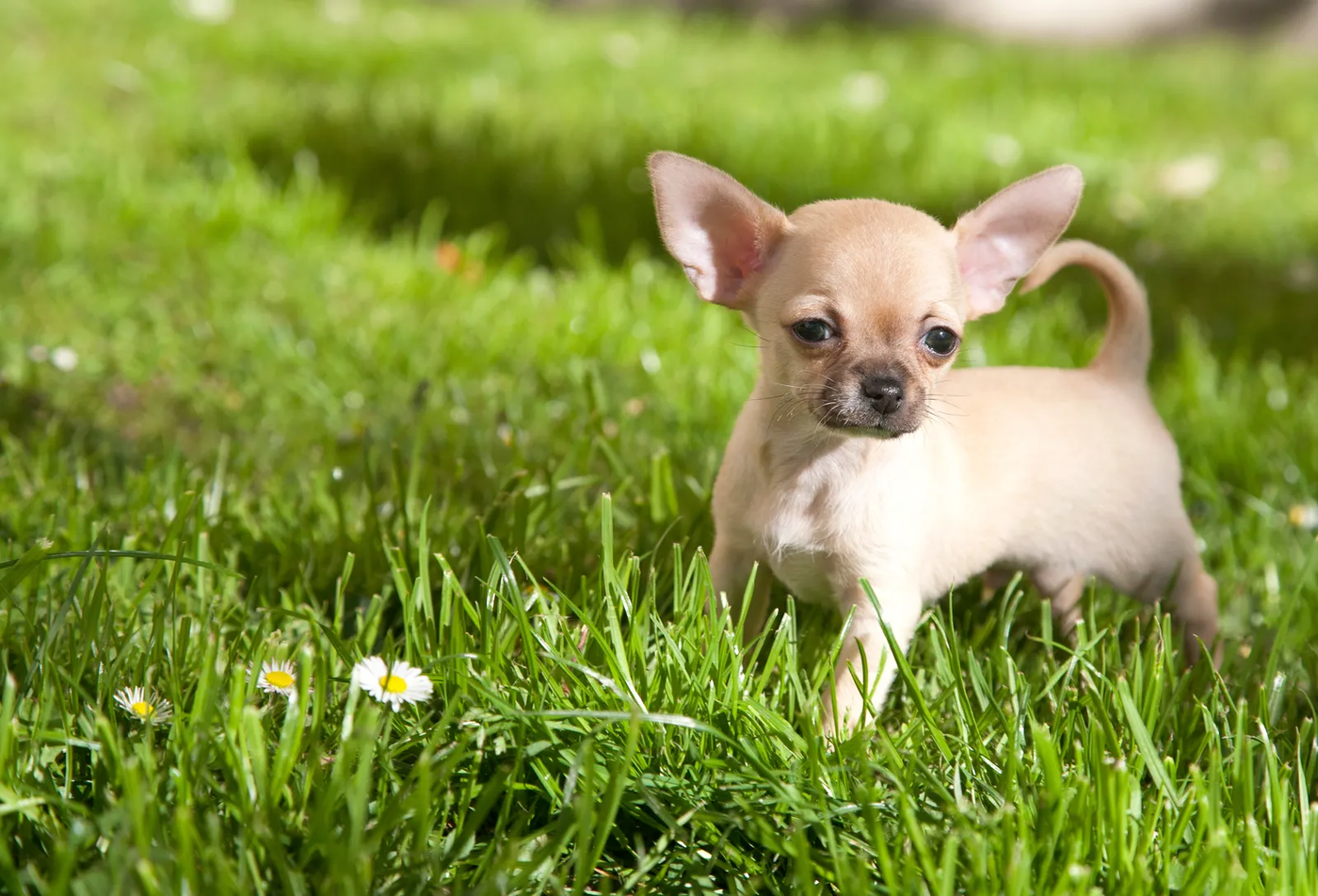
The chihuahua takes its name from the Mexican state of Chihuahua, where the breed came to wider attention in the 1800s. It is one of the smallest breeds, in the toy group, with smooth and long coat varieties. Chihuahuas tend to bond closely to one person or a small household, stay alert to everything around them and treat strangers with suspicion. They are bold with people they know and often nervous with people they do not.
For a dog that small, the world is full of looming shapes and reaching hands. A chihuahua that has been picked up without warning, loomed over by guests or passed from lap to lap may decide that snapping is the only way to be heard. Training reverses that. It gives the dog predictable handling, space from strangers and a job at the door, and confidence usually rises as the need to defend itself falls.
- A strong bond with one person that can turn into guarding
- Natural wariness of strangers
- A size that makes looming hands feel like a threat
- Boldness that grows once the dog feels safe
What we see
Fear, snapping and the stranger at the door, with a method for each.
Fear and snapping come together. Stop reaching for the dog without warning. Teach a pick-up cue: say the word, pause, then lift with a hand under the chest and rear, and pay once the dog is up. Let the dog approach people rather than people approaching it. Ask guests to ignore the chihuahua completely and toss food low and away, so the dog learns strangers are safe without having to be touched.
Guarding its person shows up on the lap or the couch, with a growl at a partner or a child who comes close. Move the dog to its own bed beside you instead of your lap until the growl is gone. The stranger at the door is third. Put a place bed well back from the entry, pay it heavily while the bell rings and the door opens, and keep visitors from greeting the dog until it chooses to come over.
- A spoken pick-up cue before every lift
- Guests who ignore the dog and toss food low
- A bed beside you instead of a lap while guarding lasts
- A place bed well back from the front door
The first year
Confidence first, then manners: the chihuahua's first twelve months.
The window for gentle, positive exposure is the first months at home, and it matters more for this breed than for most. Carry the puppy into safe places before it is fully vaccinated, following your vet's guidance, and let it watch people, traffic and other dogs from a distance with food flowing. Sit, down, come and place all train easily with tiny treats, and short daily sessions build a dog that trusts your lead.
Between six and twelve months some chihuahuas grow bolder and some grow warier. Watch for the first growl or snap, and treat it as information rather than defiance. Increase distance, slow down, and keep rewarding calm choices. Punishing the growl only removes the warning. A dog that keeps practicing fear during this stage usually carries it into adulthood, so this is the time to ask for help.
Eight to twelve weeks: crate, potty schedule, pick-up cue, gentle handling, watching the world from your arms
Three to four months: sit, down, place, name response, visitors who toss food and look away
Four to six months: short sidewalk walks, store trips, a place bed by the door
Six to nine months: watch for the first growl, add distance, keep paying calm
Nine to twelve months: calm visits, longer place during guests, confident walks in new places
Houston life
Apartments, patios, fireworks and a carrier for storm season.
Houston gives a chihuahua plenty to worry about: elevators and hallways in Midtown towers, crowded patios in Montrose, trick-or-treaters in Cypress subdivisions, and July 4 and New Year fireworks across every neighborhood. For a fearful dog, plan these moments rather than hoping. Practice the elevator at quiet hours, pick a patio corner with a wall behind you, and set up a covered crate in an interior room before fireworks start.
Hurricane season runs from June 1 to November 30, and evacuating with a chihuahua is easier if the dog already rides calmly in a carrier. Feed meals in the carrier, take short car trips and pay the dog for settling. On summer walks the small body and thin coat still heat quickly on Houston concrete, so go out early and late and test the pavement with your hand.
Getting help
When the snaps land or the fear keeps growing.
Get help once a snap has made contact, when the fear is spreading to new people or places, or when the dog guards you from your own family. Snapping can signal pain, so a vet check is a sensible first step. Private lessons at $160 in Cypress or $220 in your home are a good fit for gentle coaching with a mild case. Puppies under four months fit the Puppy Development Bundle at $550 or $750.
Platinum, three weeks at $3,750, is the program built for fear and guarding, with behavior modification, field trips into real public places and unlimited private lessons afterward, so the family learns the same approach. Only a limited number of dogs stay in our trainer's home at a time, which suits a nervous small dog. The chihuahua training page explains each option in Houston terms.
The programs
Programs that suit a chihuahua.
Private lessons for mild cases, the puppy bundle for prevention, Platinum for fear and guarding that need modification.

Asked and answered
Questions people ask about this.
Why does my chihuahua snap when I pick it up?
Usually because lifting arrives without warning and the dog feels grabbed. Teach a pick-up cue: say the word, pause, lift with support under the chest and rear, and pay. Practice when nothing is happening. If snapping continues, check for pain with your vet, since some dogs snap because lifting hurts.
How do I get my chihuahua to accept visitors?
Ask visitors to ignore the dog completely and toss treats low and away from themselves. Put the dog on a place bed away from the door. Let the chihuahua approach when it chooses, and keep the first visits short. Forcing a greeting usually makes the fear worse and the snap more likely.
Is my chihuahua protecting me or scared?
Often both. A dog that growls at a partner approaching the couch is guarding a resource, which is usually you, and it is frequently rooted in anxiety. Move the dog off your lap onto its own bed until the guarding stops, and pay calm when family members come near.
Can a fearful chihuahua improve as an adult?
Yes, with a slow and consistent plan. Adults change more slowly than puppies, but controlled distance, predictable handling and generous rewards for calm choices help most fearful chihuahuas become steadier. Severe cases benefit from a trainer and sometimes from a conversation with your vet about anxiety.
Keep reading
Free consultation · 10% off this fall
Trade the snap for confidence.
Tell our team when your chihuahua snaps and who it guards. The free phone consultation is a direct call with no obligation.