
Fearful dogs
Fearful dog training in Houston: building confidence without flooding
Houston's rescues send home a lot of fearful dogs, and a lot of them are wonderful once the fear is worked. The families who call us have usually tried love and patience for a year and found that the dog is still hiding from their friends. Love is not the missing piece; structure and controlled exposure are.
Last reviewed September 11, 2026 · by the Best Dog University Team
What it is
A dog that avoids, freezes, hides or snaps because the world feels unsafe.
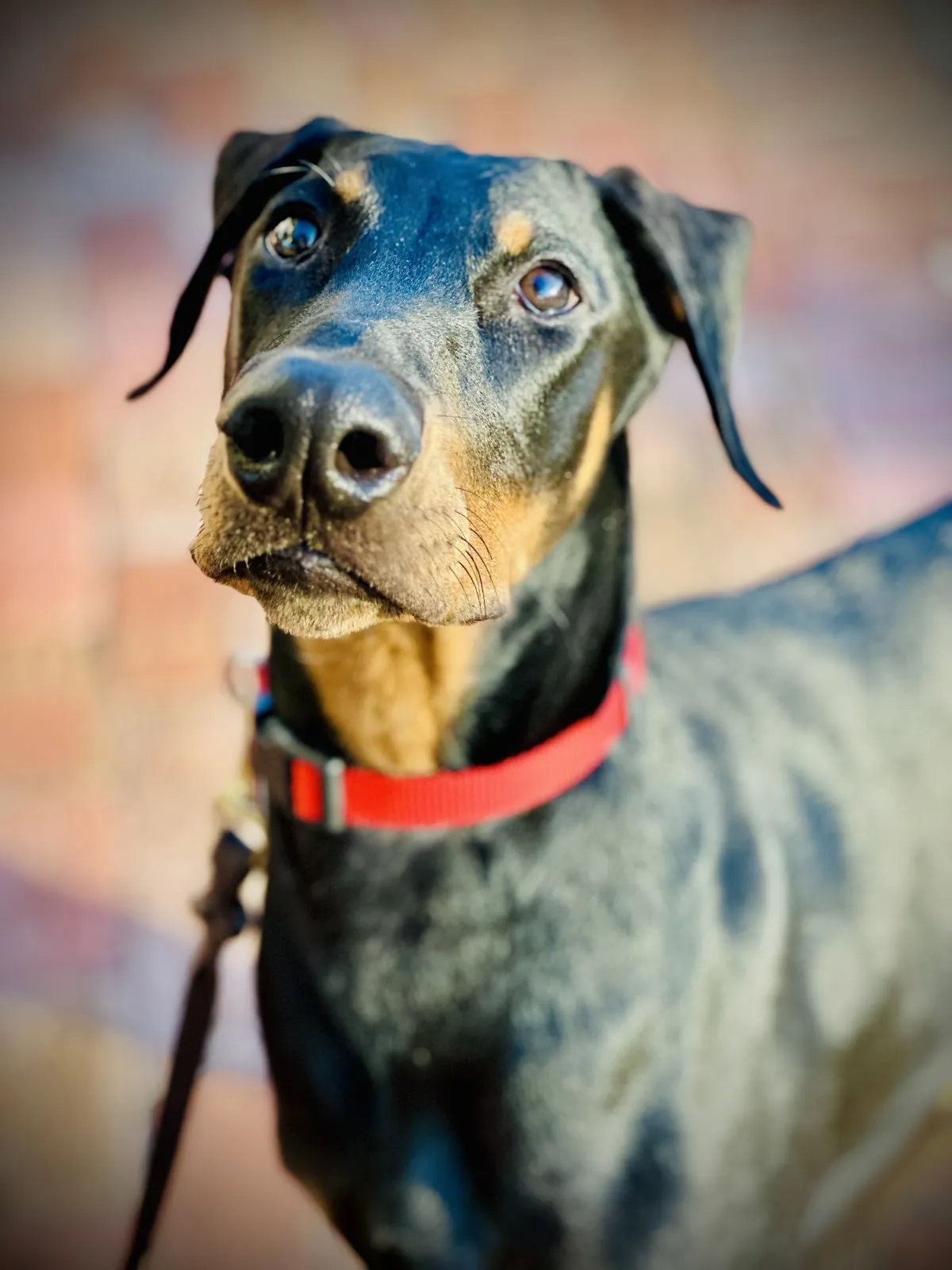
Fear shows as a low body, a tucked tail, whale eyes, hiding behind legs or furniture, refusing to walk, trembling, and, when the dog is cornered, a snap. Some fearful dogs shut down completely and look calm when they are actually frozen; some bark and lunge to make the scary thing go away, which gets them called aggressive when they are terrified. The trigger can be one thing, men or hats or the vacuum, or a general nervousness about anything new.
Fear is not disobedience and it is not a dog being difficult. A fearful dog that refuses the sidewalk is not stubborn; it is scared, and dragging it along teaches it that the leash means terror.
- Low body, tucked tail, whale eyes, hiding
- Freezing on walks or shutting down completely
- Barking and lunging to make the thing go away
- A snap when cornered: fear, not aggression
Why it happens here
Shelters, under-socialized puppies and the Houston summer.
A Houston shelter dog may have lived on the street, in a hoarding case or in a loud kennel for months, and it arrives afraid of hands, doors and noise. A puppy raised through a Houston summer indoors, because the pavement was too hot to walk on, misses the socialization window and meets the world at six months already worried. Some breeds carry more sensitivity, and some dogs simply were born nervous. Storm season, fireworks and a house full of holiday guests then give the fear plenty to attach to.
The common thread is a dog that has not learned that new things are survivable, and the fix is teaching exactly that, one thing at a time.
- Shelter and street history
- A puppy that missed the socialization window indoors
- Sensitive breeds and nervous individuals
- Storms, fireworks and guests as the triggers that stick
How we fix it
Structure first, then exposure at the dog's pace, never flooding.
A fearful dog needs the world to be predictable before it can be brave in it. So the first week is structure: meals on place, a crate that is a den, a structured walk on a quiet street, the same routine every day. Then exposure: the feared thing at a distance the dog can hold, with food and calm, closer over days, until the dog can look at the thing and look back at you. A man in a hat at fifty feet, then thirty, then ten; the vacuum in the next room, then running, then in the same room. Flooding, dragging the dog up to the thing until it stops reacting, produces a shut-down dog and a bite.
In the training home this happens daily, with the variables controlled, and our trainers read the dog's signals so the pace is right. The handover teaches you the same reading, and unlimited lessons after Platinum keep the exposure going in your neighborhood.
Week one: structure the dog can predict
Identify the triggers and the distance the dog can hold each one
Exposure at that distance with food and calm, no pressure
Close the distance a little each day, retreat when the dog says so
Build the walk on quiet streets, then busier ones
Handover: the household learns to read the dog
Unlimited lessons to keep the exposure going at home
Which program
Lessons for one trigger, Platinum for a dog afraid of the world.
A dog afraid of one thing, the vacuum or the neighbor's truck, responds to in-home lessons at $220 with a plan you run daily. A dog that freezes on walks, hides from every guest, or has snapped out of fear needs the three-week Platinum program at $3,750: daily structure and controlled exposure in the training home, field trips as the dog earns them, and unlimited lessons afterwards so the confidence keeps building. Gold at $2,500 suits a mildly nervous adolescent that mostly needs structure. Fear is slow work and three weeks is the honest minimum for a dog that is afraid of most things.
| Case | Program | Price |
|---|---|---|
| One trigger, otherwise confident | In-home lessons | $220 per session |
| Mildly nervous adolescent | Gold, 2 weeks | $2,500 |
| Afraid of most things, freezes or snaps | Platinum, 3 weeks | $3,750 |
Houston specifics
Store aisles, storm season and a slow summer.
The pet and hardware store aisles along 290 are the best exposure environments in the city for a fearful dog: cool, controlled, an exit ten seconds away, and strangers who mostly ignore a dog on a leash. A fearful dog's summer is slow, because the dawn-and-dusk schedule limits outdoor exposure and the store carries the work. Storm season and July 4 are the hardest weeks for a fearful dog, and crate calm is built into the stay for exactly that; the AVMA's fireworks guidance covers the noise side. A fearful rescue from BARC or Harris County Pets gets its first thirty days of decompression before a program starts, which is why we often ask a family to wait a month and then call.
The programs
Programs for a fearful dog.
Lessons for a single trigger, Gold for the nervous adolescent, Platinum for the dog that is afraid of the world.


Asked and answered
Questions people ask about this.
Should I comfort my dog when it is scared?
Stay calm and boring rather than fussing, which can confirm that something is wrong. Give the dog distance from the trigger, reward calm, and do not force the approach. Structure and controlled exposure are what change fear; comfort alone does not.
My rescue is scared of men. Can that be fixed?
Usually, yes. Men at a distance the dog can hold, with food and no pressure, closer over days, until a man in a hat is background. It is standard exposure work in a Platinum stay, and the men in the household are part of the handover.
Is a fearful dog aggressive?
A fearful dog can snap when cornered, which is fear, not aggression, and the fix is different: more distance, not more correction. A fearful dog that has bitten still needs an in-person consultation and a management plan while the fear is worked.
How long does it take to build a fearful dog's confidence?
Weeks of daily exposure for the first triggers and months of continued practice for a dog that was afraid of everything. Three weeks in the training home moves a fearful dog a long way; the unlimited lessons after Platinum are what carry it the rest.
Will board and train make my fearful dog worse by taking it away from me?
Not in a home with a limited number of dogs, a predictable routine and trainers who read the dog. A fearful dog often settles faster in a structured house than in a loving one with no rules, and the photo and video updates show you the progress three times a week.
Keep reading
Free consultation · 10% off this fall
Tell our team what your dog is afraid of.
The free phone consultation is a direct call: what the dog fears, how it reacts, and whether lessons or a Platinum stay is the honest plan. A $250 deposit holds the dates.