
Chihuahua training · Houston
Chihuahua training in Houston: fear, snapping and the stranger at the door
A Chihuahua that bites is almost never a brave dog. It is a small, frightened dog that has learned teeth make people back off, and it has usually been carried away from every situation that could have taught it otherwise. This page covers the fear honestly and the stay that changes it.
Last reviewed September 29, 2026 · by the Best Dog University Team
The breed
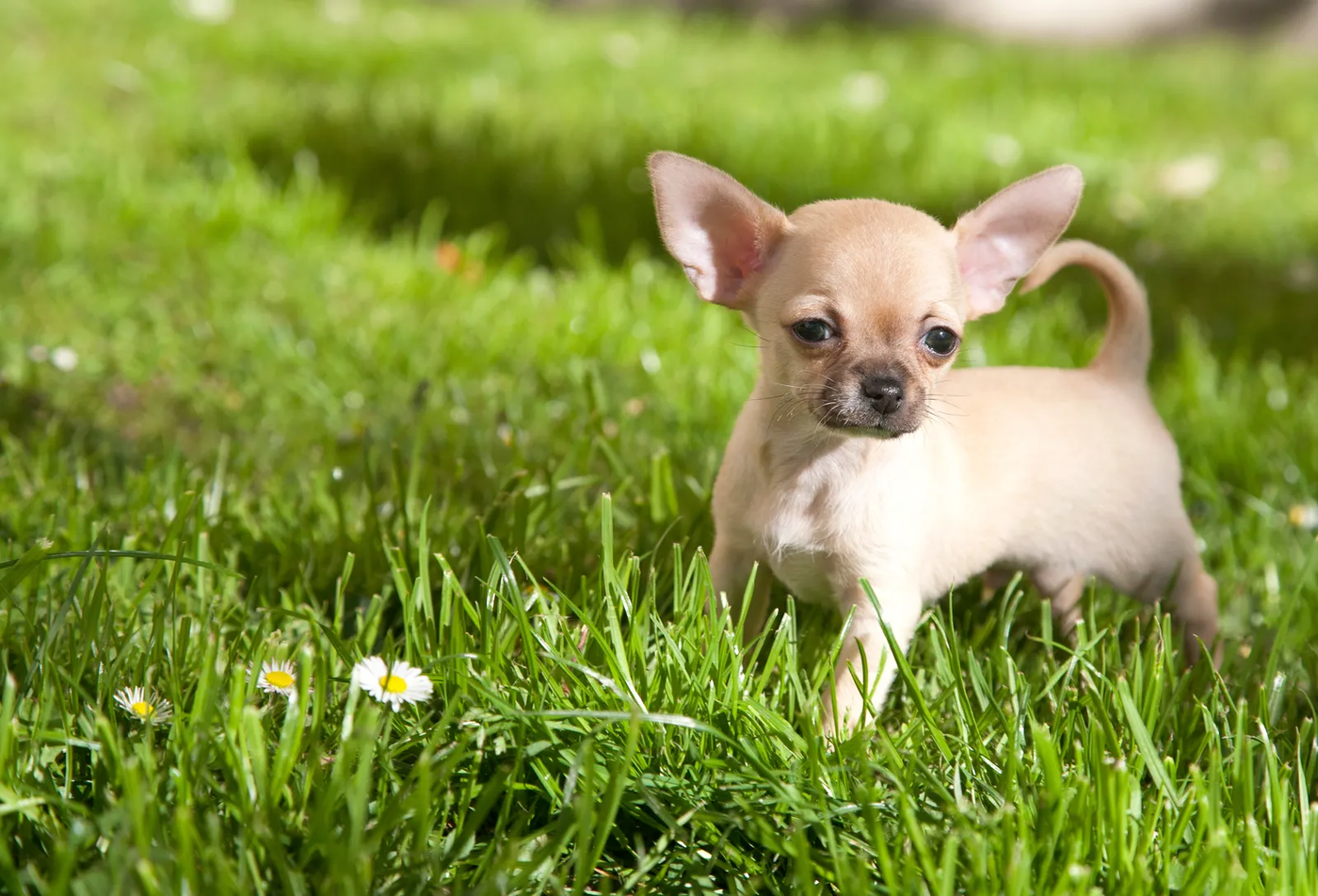
What a Chihuahua is like to train: devoted, watchful and quick to decide a stranger is a threat.
The Chihuahua is a toy breed named for the Mexican state it came from, kept as a companion for centuries and never asked to do anything but be near its person. It comes in a smooth coat and a long coat, and the AKC describes it as charming, graceful and sassy. It is alert to every sound and quick to decide what is safe, and a dog that weighs six pounds decides that most things are not.
Between eight and eighteen months the wariness turns into a strategy. The Chihuahua that hid behind your legs now lunges from them. A visitor reaches down, the dog snaps, the visitor pulls back, and the dog has learned the most effective thing it will ever learn. Being picked up mid-bark teaches the same lesson from a higher vantage point. Add a front door that produces strangers daily and a lap it feels it has to defend, and you have the case we see most: a fearful dog with a working bite.
- The smallest breed, bred as a companion and bonded to one or two people
- Fear turns into snapping once the snap works
- Picking the dog up mid-bark rewards the bark
- The front door and the lap are where it happens
The stay
How a Chihuahua's stay works: confidence built on the ground, not in your arms.
The first thing a Chihuahua learns in our Cypress home is that four feet on the floor is safe. It walks on a leash instead of riding, holds a place bed instead of a lap, and eats meals it has earned with a sit. Nobody looms over it. Strangers are introduced at a distance the dog can hold, with food, and the distance closes only when the dog's body says it can. The whole stay is built on the dog choosing to approach rather than being pushed to.
The door is rehearsed daily with different people, and the snap is prevented by structure. Field trips to the stores along 290 give the dog dozens of calm strangers a day. You watch it happen in the photo and video updates three times a week, and the go-home session teaches your family how to receive a visitor without a bite.
Leash walking and a place bed from day one, so the dog stops living in someone's arms.
Earned meals and a crate that is a refuge, never a punishment.
Strangers introduced at a distance with food, closing the gap only as the dog relaxes.
The front door with a knock, a place command and a release, run with new people daily.
Handling built in seconds: collar, harness, paws, a lift cue with support.
Field trips to the pet and hardware stores on Fry Road for calm around carts and strangers.
The go-home session, where your family practices the visitor routine with our trainer present.
Houston
Houston specifics for a Chihuahua: hot pavement, hawks, fireworks and a door that never stops.
A Chihuahua's feet are inches from summer pavement, so from May through September our outdoor sessions with the breed happen at dawn and after sunset, with the back of a hand on the concrete first. The smooth coat manages heat well; the long coat needs more care. Hawks are a genuine risk to a dog this size in the outer suburbs and on Waller or Magnolia acreage, so yard time is on a line and supervised, and fire ant mounds get checked first.
Most Chihuahuas we train live in apartments and townhomes inside the loop or in master-planned suburbs with a steady stream of deliveries. A Montrose townhome means strangers on the sidewalk every minute; a Bridgeland house means the doorbell. Both get a plan. July 4 and New Year's Eve fireworks are hard on a small, fearful dog, and hurricane season from June 1 to November 30 means the crate has to be a place the dog already trusts before an evacuation makes it the only option.
- Dawn and dusk sessions from May through September, pavement tested first
- Yard time supervised on a line where hawks hunt
- Sidewalk strangers and doorbell deliveries get different exposure plans
- A trusted crate before fireworks and storm season
Program and price
Platinum at $3,750 for the fearful Chihuahua, Gold at $2,500 for the bossy one.
The three-week Platinum Board & Train is $3,750 and it is the program for a Chihuahua that snaps, bites or hides. It includes behavior modification, a structured heel, place and down with duration, public field trips, a comprehensive handover and unlimited private lessons afterward. The two-week Gold at $2,500 fits a Chihuahua that barks, pulls, bolts through doors and treats the house as its own but has never bitten.
A Chihuahua puppy under four months belongs in the Puppy Development Bundle, four sessions for $550 in Cypress or $750 in your home, because socialization done now prevents the fear later. Private lessons are $160 in Cypress or $220 at your house for a dog that only needs a visitor routine. Door-to-door transport is $250 and the first lesson happens at your home when the dog is returned.
| Program | Length | Price | The Chihuahua it fits |
|---|---|---|---|
| Puppy Development Bundle | 4 sessions | $550 / $750 | Under four months: socialization, handling, crate |
| Gold Board & Train | 2 weeks | $2,500 | Barking, bolting, bossiness, no bite history |
| Platinum Board & Train | 3 weeks | $3,750 | Snapping, biting, hiding, fear of strangers |
The programs
The programs a Chihuahua goes home from.
Platinum for the fearful dog, Gold for the bossy one and a bundle for the puppy, all decided on the phone before you commit.


Asked and answered
Questions people ask about this.
How much does Chihuahua training cost in Houston?
At Best Dog University a fearful or snapping Chihuahua takes the three-week Platinum Board & Train at $3,750. A bossy, barky Chihuahua without a bite history takes the two-week Gold at $2,500. The Puppy Development Bundle for a puppy under four months is $550 in Cypress or $750 in-home, and private lessons are $160 or $220.
Can a Chihuahua that bites be trusted again?
It can become predictable and safe in the situations that used to trigger it, which is what a family needs. The stay builds confidence through structure and controlled exposure, and the go-home session teaches you how to manage visitors so the dog is never cornered. A Chihuahua with a bite history should not be left loose with strangers reaching for it, ever.
Why does my Chihuahua only bite when I am holding it?
Because your arms are the place it feels most obliged to defend, and a snap from that height has always worked. The stay puts the dog on the floor on a leash, teaches a place bed and a lift cue, and shows your family how to greet people with the dog at your feet instead of on your chest.
Is three weeks really necessary for a six-pound dog?
For fear, yes. Fear does not respond to a fast fix; it responds to a lot of calm repetitions at a pace the dog can handle, and a small dog needs as many of those as a big one. Three weeks lets our trainers build confidence first and add strangers second, which is the order that holds.
Will a Chihuahua be safe around the bigger dogs at your home?
Yes. The training home takes a limited number of dogs at a time and they are managed separately, not turned loose together. A Chihuahua sees other dogs at a distance it can handle, on leash, as part of the training. Our team will ask about your dog's history with other dogs on the free consultation.
Keep reading
Free consultation · 10% off this fall
Tell our team about your Chihuahua.
The free consultation is a direct call with our trainers about the snapping, the door or the hiding. You get a program recommendation on the call, and a $250 deposit reserves the stay.