
High-rise and apartment dogs
How to teach a dog to ride an elevator: for high-rise and apartment dogs
In a Midtown tower, a Galleria mid-rise or a Westchase apartment, the elevator is where a dog meets strangers, other dogs and the delivery cart at arm's length, twice a day. A dog that has been taught the ride turns it into the quietest minute of the walk.
Last reviewed September 29, 2026 · by the Best Dog University Team
Before you start
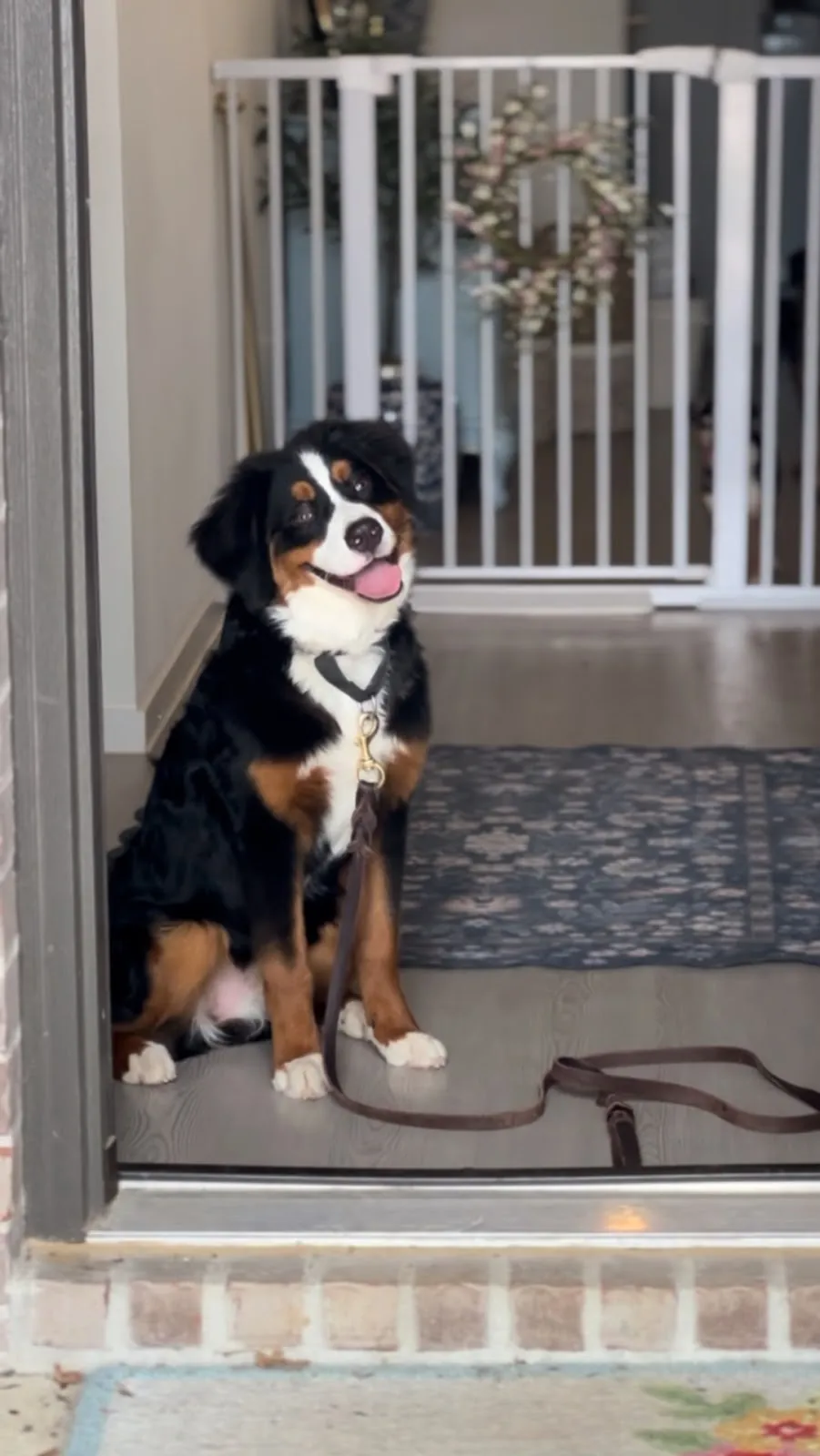
Before you start: a short leash, a quiet hour and a sit the dog already owns.
Use a flat collar or a well-fitted harness and a six-foot leash you can hold short. Leave the retractable leash at home, because its cord can stretch across the doors. Bring soft food the dog loves, and choose your practice times from the building's quiet hours, often mid-morning or mid-afternoon on a weekday, when the car tends to be empty. The dog should already sit on one word in your apartment and in the hallway. If it cannot, spend a few days on the sit before you add the doors.
The Houston caveat is the garage. Many buildings in Midtown, Uptown and Montrose send the dog walk through a parking garage elevator, and in summer those concrete levels stay hot long after the sun goes down. Practice the garage car at dawn or after dark from May to September, keep sessions short, and carry water. The heat is also why the elevator habit matters here: summer walks are short and early, so every minute of them should be calm rather than a scramble.
- A six-foot leash held short, no retractable
- A sit the dog already gives on one word
- Quiet weekday hours for the first rides
- Water, and the cooler hours for the garage car
The steps
Six stages from the hallway to a full car at 6pm.
Give each stage two or three short sessions before moving on. Pay often at first and thin the food as the dog relaxes. If the dog stiffens, stares at the opening or pulls toward it, go back a stage for a day. The goal at every stage is a dog that looks at you rather than at the doors, and that sits without being asked twice.
Sit the dog to one side of the elevator doors, never in front of them, and pay every few seconds while you press the button and the doors open and close without you getting in
When an empty car arrives, say your entry cue, step in together and walk to the back corner, then sit the dog facing the doors with the leash short and your body between the dog and the opening
Ride one floor, paying the sit through the movement and the chime, wait for the doors to open fully, then release the dog and step out together
Add floors and back-to-back rides, and practice the exit rule: if someone is waiting to get on, the dog holds its sit until they step aside
Ride with one calm neighbor you know, paying the dog for holding position as the person enters, and asking them to ignore the dog
Move to busy hours, a delivery cart, a child, another dog, stepping back to wait for the next car whenever the load looks like too much
When it is not working
A dog that balks, a dog that lunges, and a dog that bolts on the chime.
The dog that plants its feet at the threshold usually had a scare, often from the gap underfoot or a door bumping its side. It needs the car made pleasant before any ride: a few meals beside the open doors, then inside with the door held, then the first floor. Never drag it across. The dog that lunges at people getting on has been placed facing the opening with room to move; put it in the corner behind your legs on a shorter leash.
The dog that bolts on the chime has been allowed out the moment the doors part, so the chime has become a starting gun. Go back to the exit rule and make the dog hold its sit until your release word, even on an empty floor, for a full week. If none of these three explains it, and the dog barks, growls or trembles in the car, the elevator is showing you a reactivity or fear problem rather than a manners gap.
- Balking: make the parked car pleasant first
- Lunging: back corner, behind your legs
- Bolting: no exit without the release word
- Growling or trembling: a behavior case
When to get help
When the ride needs a trainer, and what that costs.
An elevator is a small box, and a dog that barks, lunges or snaps in one is a risk to neighbors and to your lease. That dog fits the Platinum Board & Train, three weeks at $3,750, which adds behavior modification, field trips and public exposure to the obedience, and ends with a full handover and unlimited private lessons, so a trainer can come and ride your building's elevator with you afterward. Our page on board and train for apartment dogs explains how tight spaces are proofed.
A dog that is only unsure, not reactive, is usually a lesson job. A private lesson in your home at $220 puts a trainer in your hallway and your elevator for the session, working the stages above with your building's real doors, chimes and neighbors. On the free phone consultation our team will ask how your dog handles strangers in small spaces, and suggest the fit from there.
The programs
Programs for dogs who live above the ground floor.
Platinum for the dog that reacts in tight spaces, an in-home lesson to work your own elevator, Gold for building-wide manners.


Asked and answered
Questions people ask about this.
Should my dog sit or stand in the elevator?
A sit or a down in the back corner is easier to hold than a stand, and it keeps the dog's nose away from people stepping in. Small dogs can be carried in a crowded car, but teach the sit anyway, so a heavier day or a growing puppy does not change the rules.
My dog is scared of the elevator. What do I do?
Slow down to where the dog can eat. Feed a meal beside the open doors, then just inside with the door held, then ride one floor at a quiet hour. Pay every calm second, keep sessions under five minutes and never pull the dog in. Most unsure dogs relax within a week or two.
What if another dog is already in the elevator?
Wait for the next car. Two dogs nose to nose in a small box is a classic setup for a scuffle, even between friendly dogs, because neither can move away. Taking the next car is ordinary building courtesy, and it keeps your dog's ride calm.
Can we just take the stairs?
For a floor or two, stairs are a fine choice and a good workout at the cooler hours. In a tower the elevator is hard to avoid, and after a storm knocks the power out you will need the stairs, so teach both on a loose leash.
Sources
Keep reading
Free consultation · 10% off this fall
Make the elevator the calm part.
Tell our team what your building looks like and how your dog handles the ride today. The free phone consultation costs nothing.