
The wedding dog
Training a dog before your wedding: the aisle, the guests and the photos
Houston wedding season runs through spring and fall, in barns in Tomball and Montgomery, gardens in The Heights and the Museum District, and country venues out past Hockley. The dog in the photos is a lovely idea, and a dog that ruins the vows is a story the family tells for years. Which one you get is decided in the twelve weeks before.
Last reviewed September 29, 2026 · by the Best Dog University Team
What changes
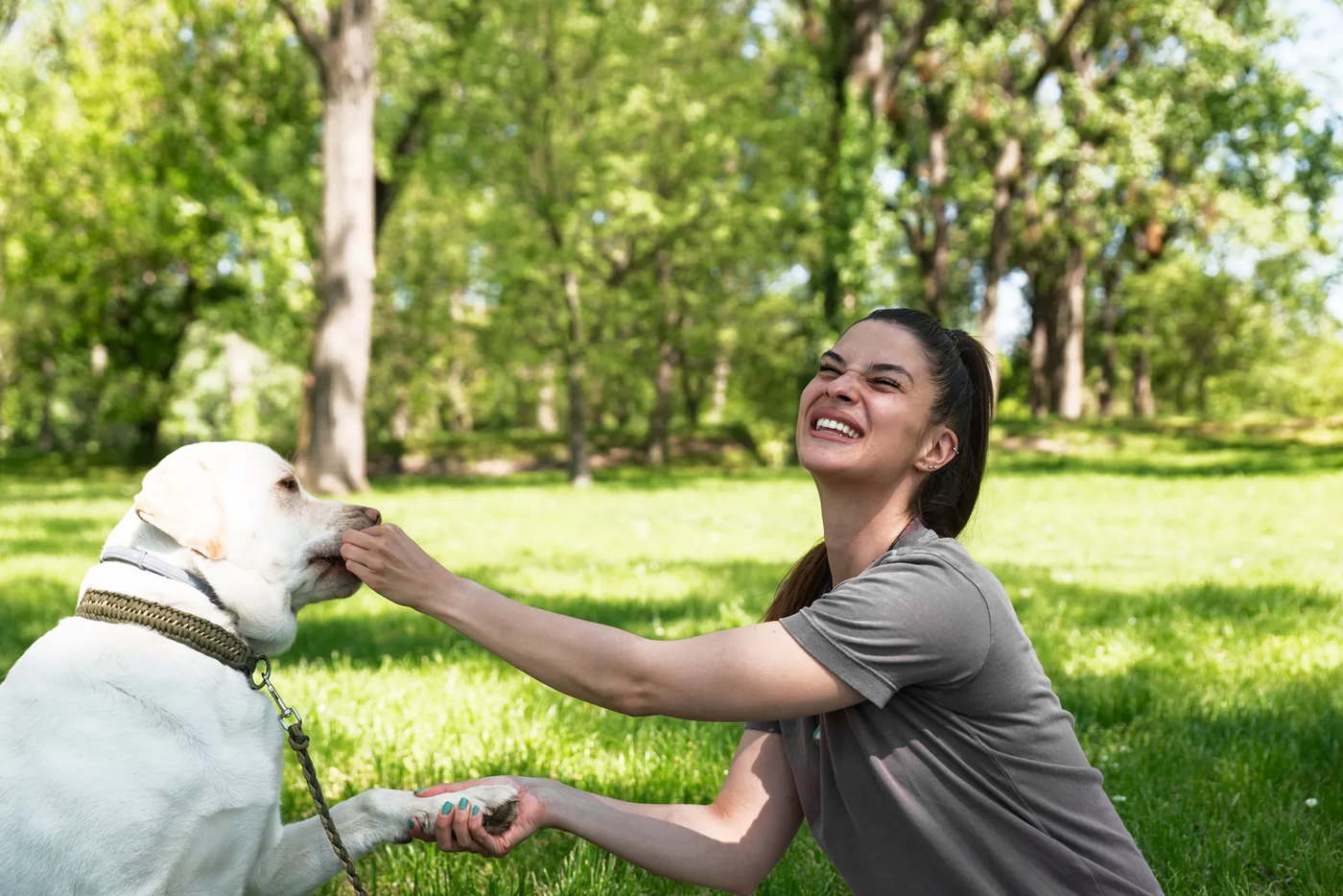
The dog gets a crowd, a stranger's leash, a long loud day and a couple who cannot help it.
On a wedding day the two people the dog trusts most are unreachable: dressed, photographed, walked down an aisle and then surrounded. Someone else holds the leash, often a cousin the dog has met twice. Around it are a hundred people in unfamiliar clothes, a photographer, a DJ, applause, and a dance floor. A dog that is a little anxious at home meets all of that at once; a dog that is a little pushy meets a hundred hands to jump on.
There is also the length of the day. Photos start at noon, the ceremony is at five, and the reception runs past ten. No dog, however well trained, should work that shift. The dogs that do well at weddings do twenty minutes, a walk down the aisle or a set of photos, and then leave with a sitter while the party goes on. Plan the dog's role as a cameo, not a starring part.
- A handler the dog has practiced with, not the couple
- One job of twenty minutes or less
- A calm exit planned before the reception
- The crate or a sitter for the rest of the day
Twelve weeks
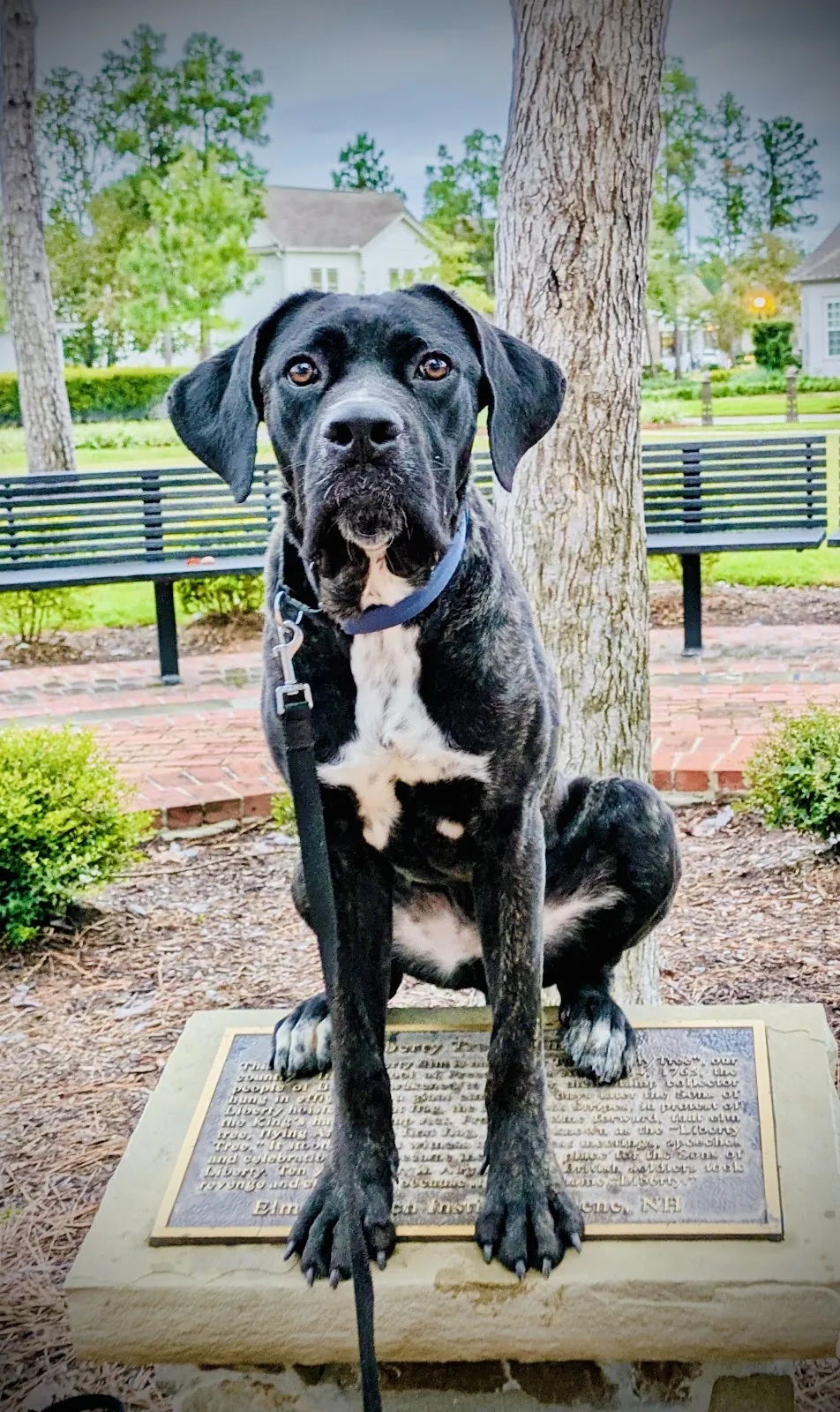
The plan: sit-stay and place at eight weeks, the handler and the outfit at six, the venue at two.
Weeks twelve to eight are foundation. A sit-stay that holds for two minutes while people walk past, a place command that holds for thirty, and a loose-leash walk beside a person who is not you. Practice greetings with a leash on and four feet on the floor with every visitor, because the wedding is a hundred greetings in a row. Take the dog to a pet store in Cypress or a busy Katy patio once a week to build calm around strangers.
Weeks eight to four bring in the handler, the person who will actually hold the leash, walking and feeding the dog and running the sit-stay so the dog listens to them. Put the bow tie or the flower collar on for meals so it is boring by the day. Play the ceremony music and clap. Weeks four to two, rehearse at the venue if you can: the aisle, the spot the dog will sit, the door it will leave through. The last week is rest and nothing new.
Weeks 12 to 8: two-minute sit-stay with people passing; thirty minutes on place
Weeks 12 to 8: four-on-the-floor greetings with every visitor
Weeks 8 to 4: the handler takes over walks, meals and the sit-stay
Weeks 8 to 4: outfit worn at meals; ceremony music and applause played at home
Weeks 4 to 2: a rehearsal at the venue, aisle and exit included
Week 1: rest, a morning walk on the day, the dog's role cut to twenty minutes
Houston weddings
Heat, barn venues and a hundred sets of hands: what a Houston wedding asks of a dog.
An outdoor ceremony in Houston between May and September puts a dog in a fur coat on hot ground at five in the afternoon. Photograph the dog's part in the shade before the ceremony, keep water and a cool spot with the handler, and let the dog leave the moment its job is done; the AVMA's heat guidance applies to a Lab in a bow tie as much as to any dog. Fall and spring weddings are kinder, and the country venues in Tomball and Montgomery usually have a quiet room where a crate can sit.
Barn and garden venues have their own hazards: fire ants in the grass where the dog will sit, an open field with no fence for a dog that bolts at applause, and a catering tent that a hound will find in seconds. Walk the venue with the handler before the day, pick the dog's spot and its exit, and confirm in writing that the dog is allowed; many Houston venues say yes to the ceremony and no to the reception.
- Photos in the shade before a summer ceremony
- Water and a cool spot with the handler
- Fire ant check where the dog will sit
- The venue's dog policy confirmed in writing
When to get help
Twelve weeks is enough for a dog with manners; a dog that jumps, barks or shakes in crowds needs a program first.
If the sit-stay is holding by week eight and the dog greets the handler's friends with four feet down, keep going. If the dog is still jumping on every guest, barking at clapping, or trembling at the pet store, the wedding is not the place to find out how it copes with a crowd. Some dogs are better in the photos on a quiet morning and home for the ceremony; that is a kind decision.
The two-week Gold Board & Train at $2,500 covers exactly the wedding skills: sit-stay, place-stay, loose leash, jumping and impulse control, with a go-home session and one extra lesson for the handler. For a dog that is anxious or reactive around crowds, the three-week Platinum at $3,750 adds behavior modification and field trips into busy places, then unlimited private lessons, including one with the handler at the venue if you like. Book the stay at least six weeks before the date so the handler has time to practice.
- Manners gaps and jumping: Gold, twelve weeks out
- Anxious or reactive in crowds: Platinum, then a cameo role
- Holding at week eight: keep rehearsing
- Shaking at the pet store: photos only, then home
The programs
Programs for a wedding dog.
Gold for the sit-stay, place and greetings, Platinum for a dog that needs calm in a crowd, Free-Style if you want a trick for the photos.


Asked and answered
Questions people ask about this.
Who should hold the dog's leash at the wedding?
Someone who is not in the wedding party, has walked and fed the dog for the six weeks before, and is happy to leave the ceremony early with the dog. A professional pet sitter is often the best choice. The couple cannot manage a dog and a ceremony, and the maid of honor has her own job.
How do I get my dog to walk down the aisle?
Teach a loose-leash walk beside the handler first, then a sit-stay at the end of the aisle, and rehearse the walk itself with music and a few seated people at home, then at the venue. Keep the walk short and the handler close. A dog carrying the rings carries a dummy pouch; the real rings stay with the best man.
Is there a trick we can teach for the photos?
A head tilt on cue, a paw on the bride's hand, or a spin are all achievable in twelve weeks for a dog with basic obedience. Our two-week Free-Style Board & Train at $2,500 teaches paw, spin, twirl, weave and center, which covers most of what a photographer will ask for. Keep it to one trick and rehearse it with the handler.
My dog is anxious around strangers. Should it be at the wedding at all?
Probably in a limited way: a quiet portrait session in the morning with only the couple and the photographer, then home. Putting an anxious dog in front of a hundred guests is not a treat for the dog, and it is the day a bite is most likely. Work the fear with a program first and plan the next event around the dog you have then.
Keep reading
Free consultation · 10% off this fall
Tell our team about the wedding.
The free consultation is a phone call, no cost, no obligation: the date, the venue, the dog's role, and whether twelve weeks of practice or a Gold stay first will get it there.