
Seasons and weather
Houston summer heat for dogs, month by month
The heat is the one Houston fact that changes dog training more than any other, and it is not one season; it is five months that each ask something different. This is the calendar the training home runs on.
Last reviewed September 11, 2026 · by the Best Dog University Team
May
The first 90-degree week, and the schedule flips.
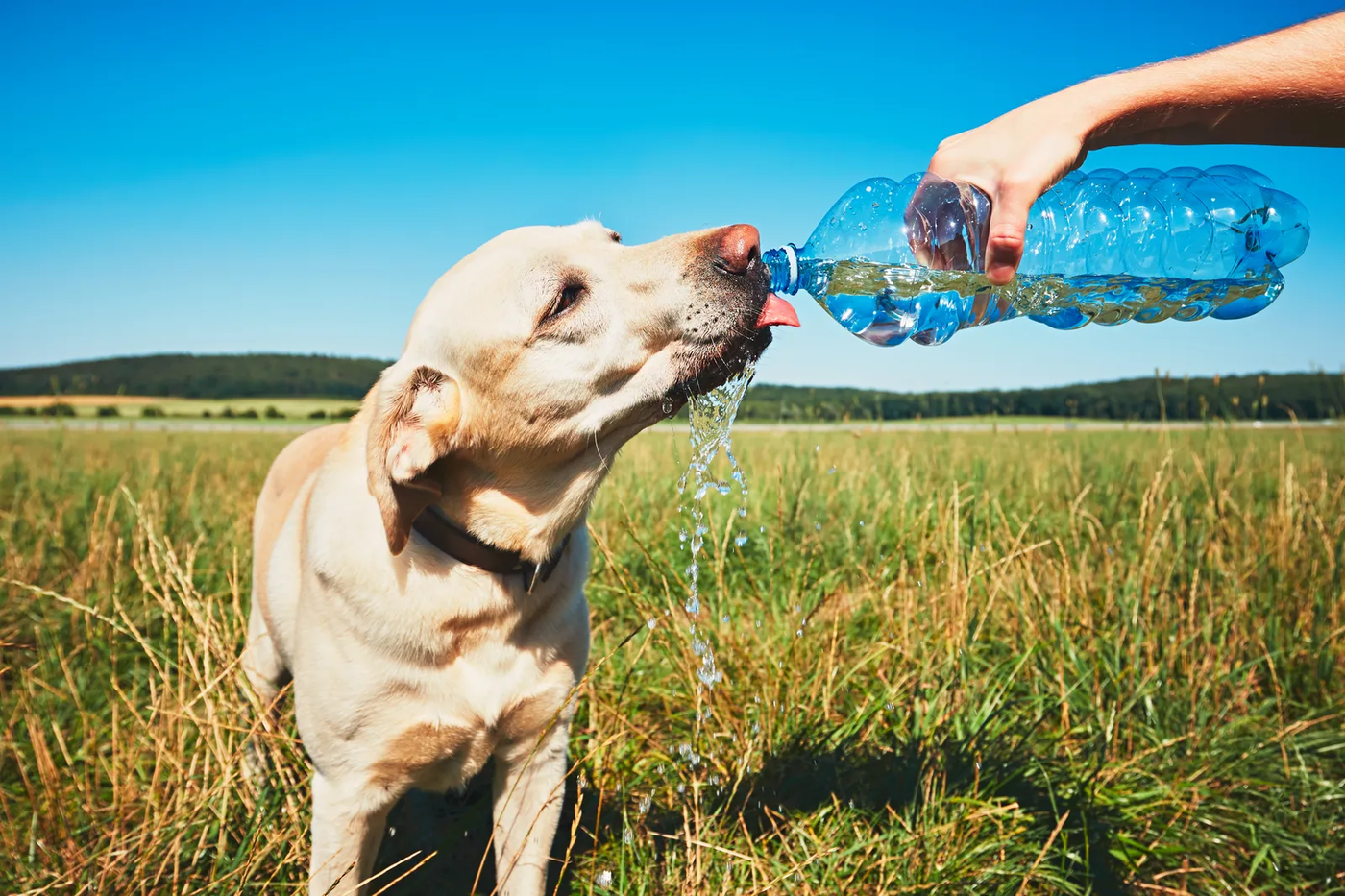
May usually brings the first 90-degree stretch, and it arrives before families have adjusted. Walks move to before eight and after seven, the pavement test starts on every walk, and the middle of the day becomes indoor training: place, leave-it, door manners, and the first store trips of the summer. Puppies born in the spring meet the heat now, and their sessions are the shortest of all. The National Weather Service Houston office's heat advisories start appearing, and the first one is the signal, not the tenth.
Pool season opens, which for a dog means a wait at the edge and the steps taught before the first party.
- Walks before eight and after seven
- The pavement test on every walk
- Indoor sessions and store aisles at midday
- Pool manners taught before the first party
June and July
Peak heat, hurricane season and July 4.
June and July are the hard core of the summer: highs in the mid to upper nineties, heat indexes past 105, and nights that do not cool. Outdoor sessions are under thirty minutes with water every fifteen and a hard stop at heavy panting, the store aisles and the lake carry the afternoons, and a training day at the home in Cypress runs at dawn, indoors and after dark. Hurricane season is open from June 1 and the go-bag and the crate plan are checked. July 4 is a week of fireworks, and the noise plan starts in early June.
Heat stroke is a June and July emergency more than any other month, and the AVMA's heat guidance describes the signs every owner should know by heart.
- Outdoor sessions under thirty minutes, water every fifteen
- Store aisles and the lake for the afternoons
- Hurricane go-bag and crate plan checked in June
- Fireworks plan from early June for July 4
May: walks early and late; pavement test; pool manners
June: hard stops; go-bag; the fireworks plan starts
July: dawn, indoors, after dark; the fireworks week
August: the same, plus booking the fall program
September: the first fronts; do not trust the first cool morning
October: the window reopens; the long walks return slowly
August
The longest month, and the one to book the fall in.
August is July without the holiday: the same heat, the same schedule, and a family that is tired of it. The temptation is to skip the dawn walk and let the yard do the work, which produces a dog with energy and no job by the time school starts. Keep the dawn walk, keep the indoor sessions, and use the last weeks of August for the back-to-school routine reset. August is also when the fall training calendar fills, because September to November is the season everyone wants.
Storms build through August, and the low trails and the dog parks close after every big one; the crate plan gets its first real tests.
- Keep the dawn walk; the yard is not exercise
- The back-to-school routine reset in late August
- Book the fall program before the calendar fills
- Storms close trails and parks after every big one
September and October
The fronts arrive, and the first cool morning is a trap.
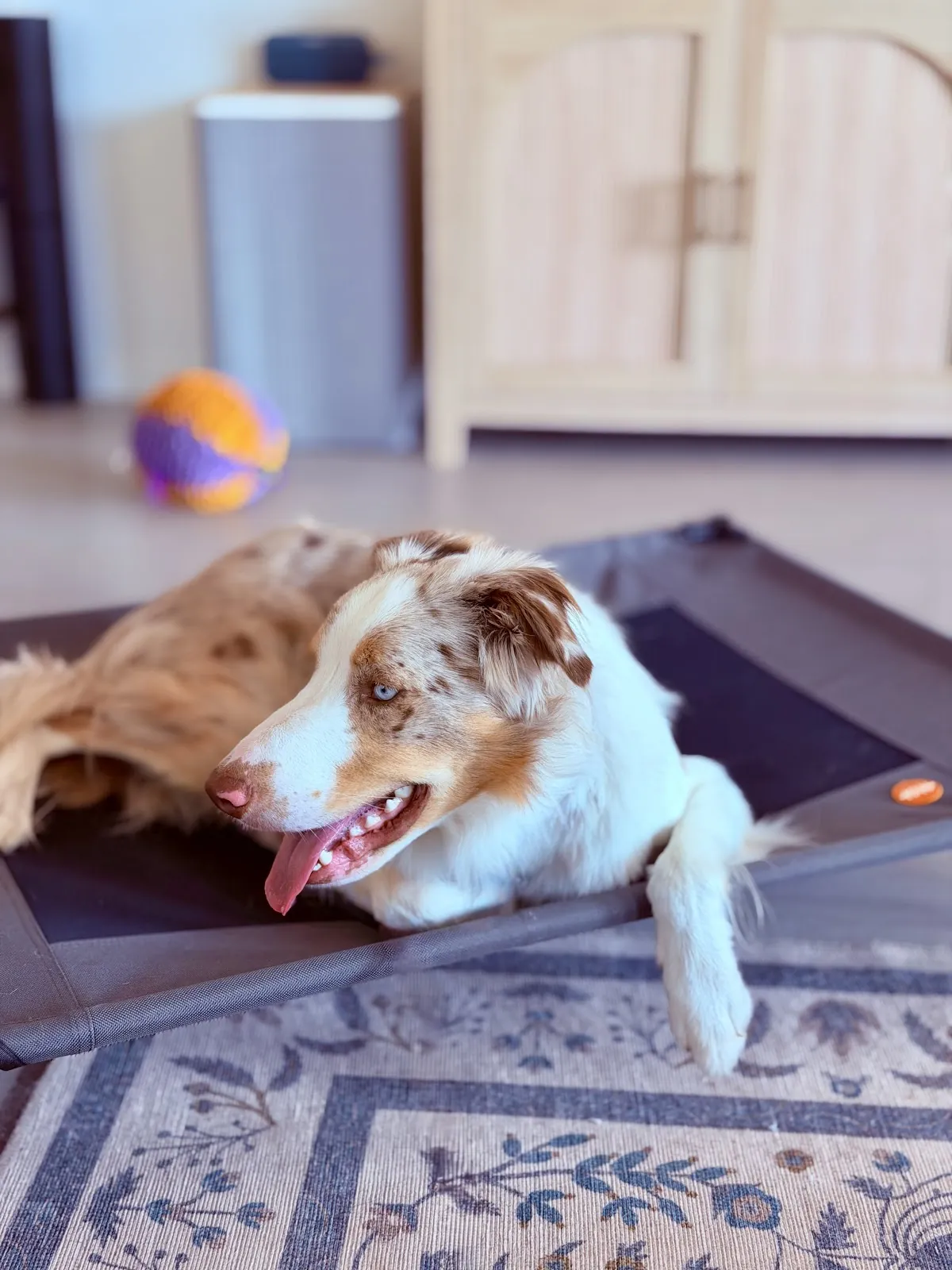
The first cool front usually arrives in late September, and the first 68-degree morning sends every family and every dog onto the trails at once. The trap is the afternoon: it is still 92 by two, the pavement still fails the test, and a dog that walked forty minutes at seven is walked again at four by a family that has decided summer is over. Reopen the outdoor schedule slowly, keep the pavement test until the fronts are reliable, and treat October as the month the long walks come back.
October is the best training month of the year, and the one the plan should be built around: the door work before the holidays, the trail neutrality for the reactive dog, the recall on a long line in a field that is finally walkable at noon.
- The first cool morning is not the end of summer
- Pavement test until the fronts are reliable
- Long walks return in October, not September
- October is training season
The dogs at highest risk
Flat faces, thick coats, seniors, puppies and the overweight.
French and English bulldogs, pugs and Boston terriers cannot pant efficiently and overheat in minutes on a warm morning. Huskies, Bernese, shepherds and Aussies carry a coat built for somewhere else. Seniors and puppies regulate poorly, and an overweight dog of any breed works harder to cool. For all of them the summer rules are halved: half the outdoor time, twice the water, and the vet's number handy. A dog that pants heavily and does not settle in the shade within a couple of minutes, that drools, wobbles or has bright red gums, is a heat emergency, and the first response is shade, cool water on the belly and paws, and the car to the vet with the air on.
The programs
Programs that run through the summer.
Every stay is built around the heat calendar; summer graduates hold their training because they learned it in the hardest conditions.


Asked and answered
Questions people ask about this.
When does the Houston heat become dangerous for dogs?
From the first 90-degree week, usually in May, through the first reliable cool fronts in late September or October. The pavement test and the dawn-and-dusk schedule apply for the whole stretch, and June through August are the peak.
How long can my dog be outside in July?
For a working or walking dog, under thirty minutes with water every fifteen and a hard stop at heavy panting, at dawn or after dark. Flat-faced, double-coated, senior, puppy and overweight dogs get half that.
Is it a bad idea to do board and train in summer?
No. The training day at the home in Cypress is built around the heat: dawn walks, indoor and store sessions at midday, the lake and field trips after dark. Summer graduates hold their training well because they learned it in the hardest conditions.
What are the signs of heat stroke in a dog?
Heavy panting that does not settle in the shade within a couple of minutes, thick drool, wobbling, bright red gums, vomiting or collapse. The response is shade, cool water on the belly and paws, and the vet, in that order. The AVMA's heat page covers it in detail.
Keep reading
Free consultation · 10% off this fall
Train through the summer, safely.
Tell our team what your summer looks like with the dog. The free phone consultation is a direct call, and the training home runs on this calendar.