
Houston dog life
Fireworks and dogs in Houston: July 4, New Year's and the calm plan
Houston does not do one fireworks show; it does hundreds, from the big displays downtown to the boxes lit in every cul-de-sac from Cypress to Katy, for days on either side of the holiday. A dog that shakes through it is having a bad week. The good news is that the calm is trainable, and most of it is the same calm a dog needs every other day of the year.
Last reviewed September 10, 2026 · by the Best Dog University Team
The Houston version
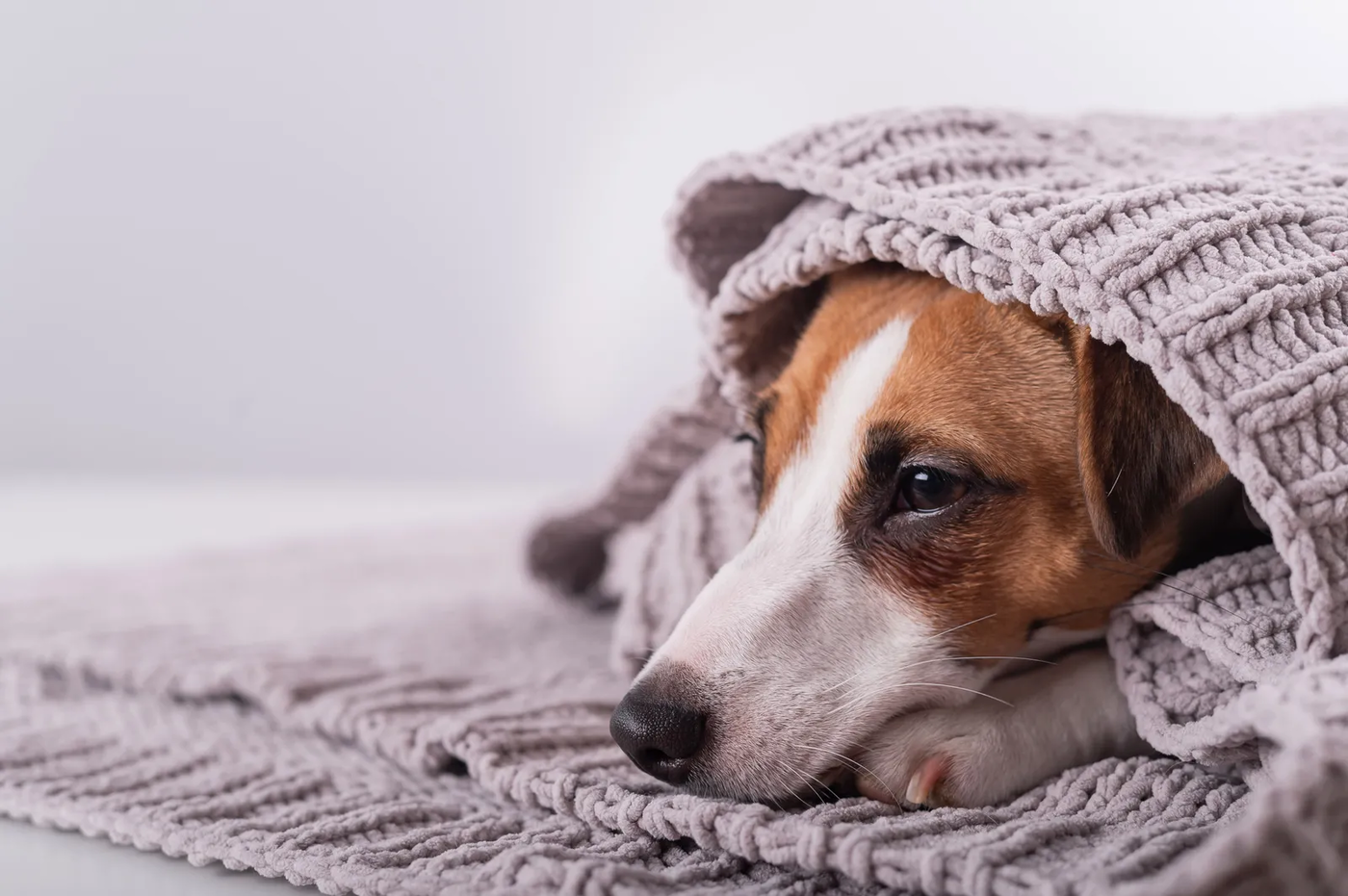
Two holidays, a week each, and the neighborhood is louder than the show.
Around July 4 and New Year's Eve the noise starts days early and runs late, because unincorporated Harris County allows fireworks that the city does not, and the suburbs light them. For a dog in Bridgeland or Cinco Ranch that means unpredictable bangs from every direction for a week, not one show at a distance. The AVMA's fireworks guidance is written for exactly that pattern.
The plan therefore covers a week, not an evening, and it starts in June and December, not on the day.
- July 4 and New Year's Eve, a week each
- Neighborhood fireworks, not one show
- Plan the week, not the night
- Start in June and December
Why comfort backfires
Soothing a panicking dog teaches it that panic is the right response.
The instinct is to hold the shaking dog and tell it everything is fine. From the dog's side, the person it trusts has become anxious and attentive at the exact moment of the noise, which confirms that the noise is a crisis. Calm is contagious in both directions. An owner who reads a book on the couch while the dog rests on place is telling the dog something more useful.
That does not mean ignoring a dog in real distress. It means the goal is a dog that has somewhere to be and something to do, with a person who is visibly unbothered.
The setup
An interior room, a covered crate, white noise and a normal evening.
Pick the room furthest from the street with no windows facing it. Put the crate there, covered, with the dog's usual mat, and run a fan or white noise from the afternoon so it is already background. Feed at the normal time and walk early, before the first bangs, on leash, because startled dogs bolt and July 4 is a busy day for shelters. Keep the evening routine ordinary: dinner, place, television, bed.
A dog that already rests in its crate and holds place through the doorbell arrives at this evening with the skills; a dog that has never done either is learning them at the worst moment. That is the training piece, and it is the same place and crate work every board and train builds.
Interior room, crate covered, mat inside, from the afternoon.
Fan or white noise running early so it is background.
Walk on leash before dusk; skip the evening walk.
Dinner and the normal routine, no fuss.
Place or crate, with you calm nearby, through the noise.
Lights out at the usual time.
Building the calm
Place, crate calm and noise exposure are trained in June, not July.
Place with duration is the single most useful skill for a noise week: the dog has a job and a spot. Crate calm gives it a den. Deliberate exposure to recorded fireworks at low volume during meals and play, raised over weeks, takes the edge off the real thing for many dogs. All three are built in the Gold and Platinum programs and can be rehearsed in a private lesson at home with your crate and your room.
For a dog that has already had a bad July 4 and now shakes at a car door slamming, the noise sensitivity is part of an anxiety picture, and the structure-first approach our trainers use for anxious dogs applies.
- Place with duration
- Crate as a den
- Recorded noise at low volume, raised over weeks
- Structure first for the already-anxious dog
When to call the vet
Some dogs need medication for the week, and that is a vet conversation, not a training failure.
A dog that injures itself trying to escape, will not eat for a day, or panics to the point of collapse needs its veterinarian involved before the holiday, and for some dogs a short course of medication is the humane plan alongside the training. Book that appointment in June or early December; clinics fill. Training reduces how much of the week the dog spends over threshold; medication, where needed, keeps it safe through the rest.
The programs
The calm is built before the holiday.
Place and crate skills come with every stay; a lesson at home rehearses the room and the crate.


Asked and answered
Questions people ask about this.
How do I keep my dog calm during fireworks in Houston?
An interior room, a covered crate with the dog's mat, white noise from the afternoon, a leashed walk before dusk, a normal dinner and routine, and an owner who stays calm rather than comforting the panic. Place and crate calm, built in advance, are what make it work.
Should I comfort my dog during fireworks?
Stay near and stay calm, but do not fuss. Soothing a panicking dog confirms that the noise is a crisis. Give the dog a place to be and something to do, and let your own calm be the message.
When do fireworks start around Houston?
Days before July 4 and New Year's Eve and for days after, because neighborhood fireworks in unincorporated Harris County and the suburbs run well beyond the official shows. Plan for a week each time.
Can training fix fireworks anxiety?
It reduces it substantially for most dogs by giving them a settle, a den and gradual exposure to noise. Dogs with severe panic need a vet involved as well, and a short course of medication for the week is a humane part of the plan for some.
Why do so many dogs go missing on July 4?
Startled dogs bolt through open doors, over fences and out of yards. Walk on leash before dusk, keep the dog inside from the first bang, check the tag has a cell number and the microchip is registered, and keep doors closed all evening.
Keep reading
Free consultation · 10% off this fall
Build the calm before the noise.
Ask our team how place and crate calm get built for your dog. The free phone consultation is a direct call.