
Seasons and weather
Heat stroke in dogs: the signs and the first response in Houston
Every Houston summer some dogs die of heat stroke on ordinary walks with owners who loved them and did not know the signs. The signs are simple, the response is simple, and both are worth knowing before the first hot day.
Last reviewed September 11, 2026 · by the Best Dog University Team
The early signs
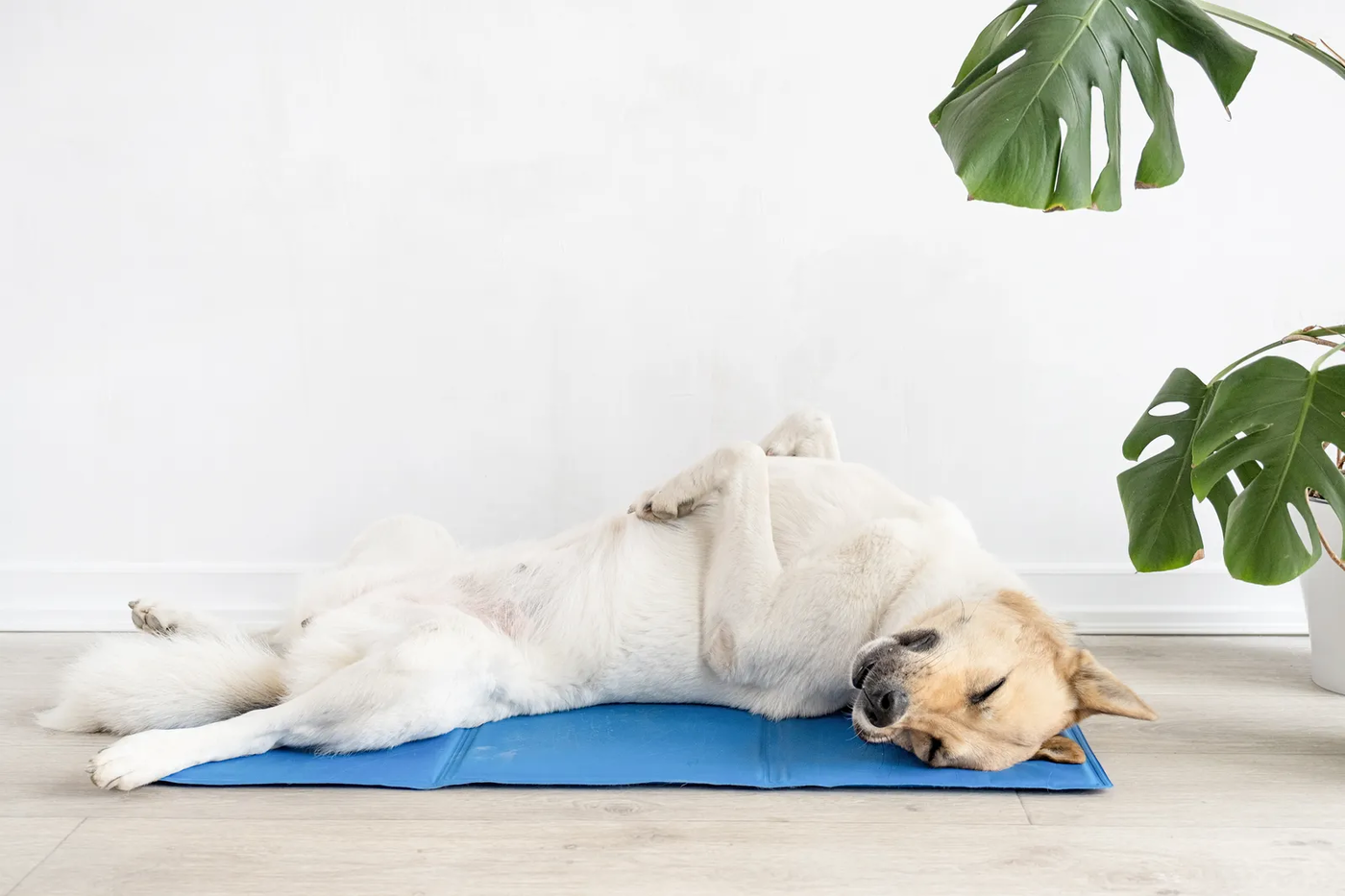
Panting that does not settle, and a dog that slows down.
A dog pants to cool itself, and a dog that pants hard after exercise is normal. The early warning is panting that does not ease within a couple of minutes of stopping in the shade, a tongue that widens and flattens, and a dog that slows, lags or seeks the ground. At that point the walk is over, the dog is in shade with water, and the family waits until the panting settles before moving, slowly, toward the car. Most heat emergencies are preventable at this stage.
The mistake is to push on because the car is close or the loop is nearly done. A dog does not stop itself for its people; the person has to stop for the dog.
- Panting that does not settle in shade within a couple of minutes
- A wide, flat tongue and a dog that lags
- Seeking the ground or the shade
- Stop now; the walk is over
The emergency
Drooling, wobbling, red or pale gums, vomiting, collapse.
Heat stroke proper shows as thick ropey drool, unsteadiness, gums that are bright red or, later, pale, vomiting or diarrhea, confusion and collapse. A dog at this stage is in danger of organ damage within minutes and needs a vet immediately. The response on the way is cooling: shade, cool water poured over the belly, paws, armpits and groin, a fan or the car's air conditioning, and water to drink if the dog will take it. The AVMA's heat guidance describes the stages; every Houston emergency vet sees them every summer.
Do not use ice water or plunge the dog into an ice bath, which can constrict the surface vessels and slow cooling; cool water and moving air are the tools.
- Thick drool, wobbling, red or pale gums
- Vomiting, confusion, collapse
- Cool water on the belly, paws and groin; moving air
- The vet immediately, air conditioning on
Stop and get the dog into shade
Cool water over the belly, paws, armpits and groin
Water to drink if the dog will take it
Air conditioning on before the dog is in the car
Call the vet on the way; the emergency vet after hours
No ice water, no ice bath
Where it happens in Houston
The lake, the loop, the dog park and the warm morning walk.
Heat stroke in Houston has patterns. The retriever at Lake Conroe or a dog park pond that will not stop swimming and retrieving, and overheats in the water. The running partner on the Memorial Park loop that keeps pace past the point of safety. The dog at a fenced park at ten on a Saturday in July, chasing a dozen others across an open field. The French bulldog on a walk at nine on a May morning that seemed mild. And the dog in a parked car, for any length of time, in any month from April to October.
None of those dogs stopped themselves, and all of them would have been fine with a person who knew the early signs and the schedule.
- The retriever that will not stop at the water
- The running partner on the loop
- The dog park on a summer mid-morning
- The flat-faced dog on a warm morning walk
- The parked car, in any month from April to October
The dogs at highest risk
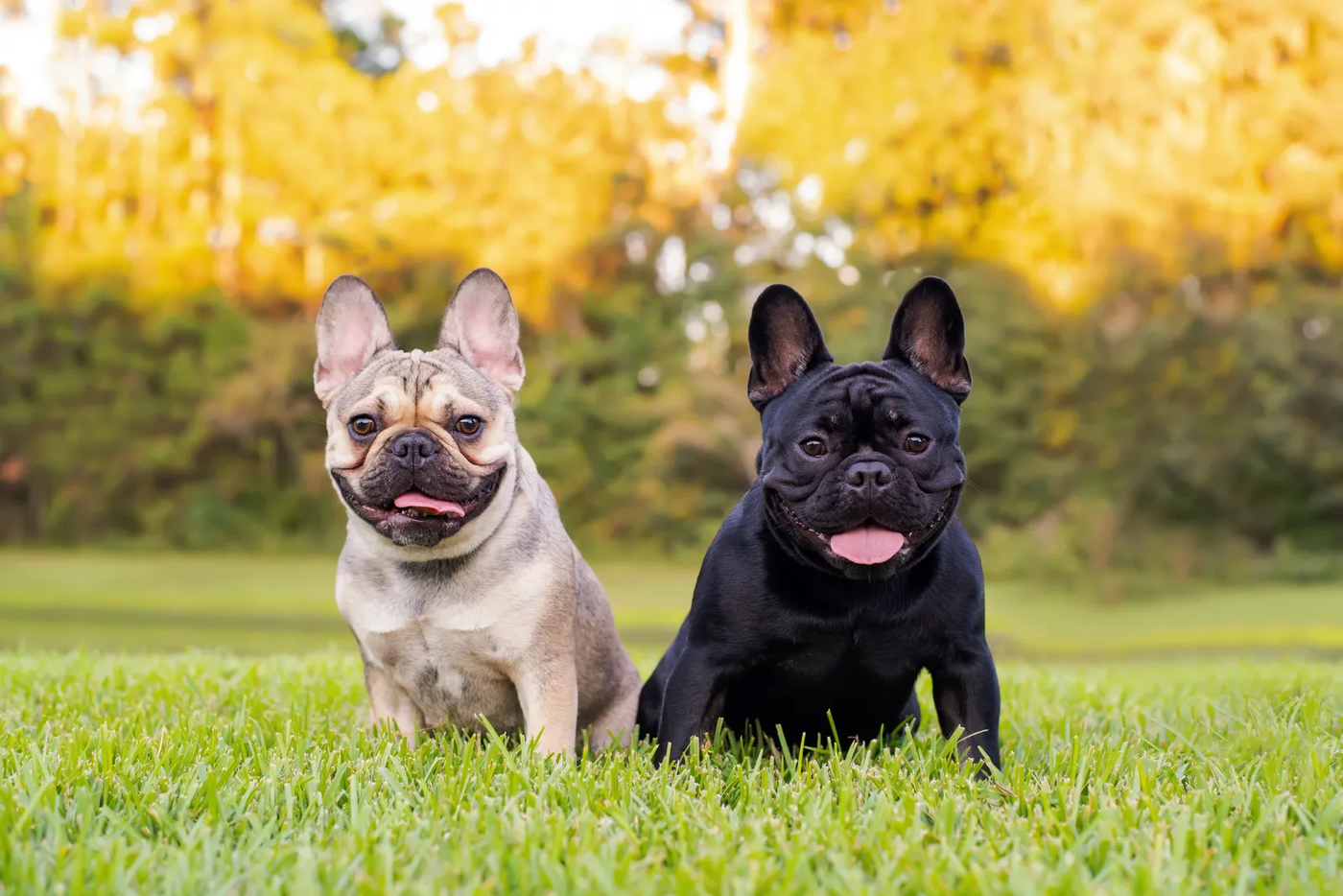
Flat faces, thick coats, seniors, puppies and the overweight.
Bulldogs, pugs, Boston terriers and other flat-faced breeds cannot pant efficiently and can go from fine to emergency in minutes on a warm morning. Huskies, Bernese, shepherds, Aussies and other double-coated dogs hold heat once hot. Seniors, puppies and overweight dogs regulate poorly. Black-coated dogs absorb more sun. For all of them the outdoor time is halved, the water is doubled, and the early signs are treated as the emergency signs. A dog that has had heat stroke once is more vulnerable afterwards, and its summer rules tighten for life.
Prevention
The schedule, the pavement test and the person who stops.
Walks at dawn and dusk from May to September, the back of the hand held on the pavement for seven seconds before any walk on it, water on every outing, outdoor sessions under thirty minutes in the peak months, and a person who ends the walk when the panting says so. The store aisles carry the midday work in the training home for exactly this reason, and every dog that trains with us in summer learns in conditions arranged around the heat. The National Weather Service Houston office's heat advisories are the cue to tighten the rules further, and the AVMA's warm-weather page is the reference to keep on the fridge.
The programs
Programs built around the heat.
Every summer stay runs on the dawn, indoors and after-dark schedule, and the go-home session covers the signs and the schedule for your dog.


Asked and answered
Questions people ask about this.
What are the first signs of heat stroke in a dog?
Heavy panting that does not settle within a couple of minutes in the shade, a wide flat tongue, and a dog that slows, lags or seeks the ground. Stop there; the walk is over and the dog goes to shade and water before anything else.
What should I do if my dog collapses in the heat?
Shade, cool water poured over the belly, paws and groin, moving air, water to drink if the dog will take it, and the vet immediately with the car's air on. No ice water and no ice bath. Call ahead so they are ready.
Can a dog get heat stroke while swimming?
Yes. A retriever that will not stop swimming and fetching works hard in warm water and overheats in it. Enforce breaks with the recall out of the water, offer fresh water to drink, and end the swim before the dog would.
How hot is too hot to walk a dog in Houston?
Use the pavement test rather than the thermometer: if the back of your hand cannot stay on the sidewalk for seven seconds, the dog does not walk on it. In practice that means dawn and dusk from May to September, and half that time for flat-faced, double-coated, senior and overweight dogs.
Keep reading
Free consultation · 10% off this fall
Know the signs before the first hot day.
Tell our team what your summer walks look like. The free phone consultation is a direct call, and the go-home session for every summer stay covers the heat plan for your dog.