
Breed training guides
How to train a dachshund: big bark, stubborn streak, back safety
Dachshunds are clever, funny and completely sure they are right. Our trainers treat that confidence as something to channel rather than break, and pair every lesson with the careful handling a long, low dog needs.
Last reviewed September 29, 2026 · by the Best Dog University Team
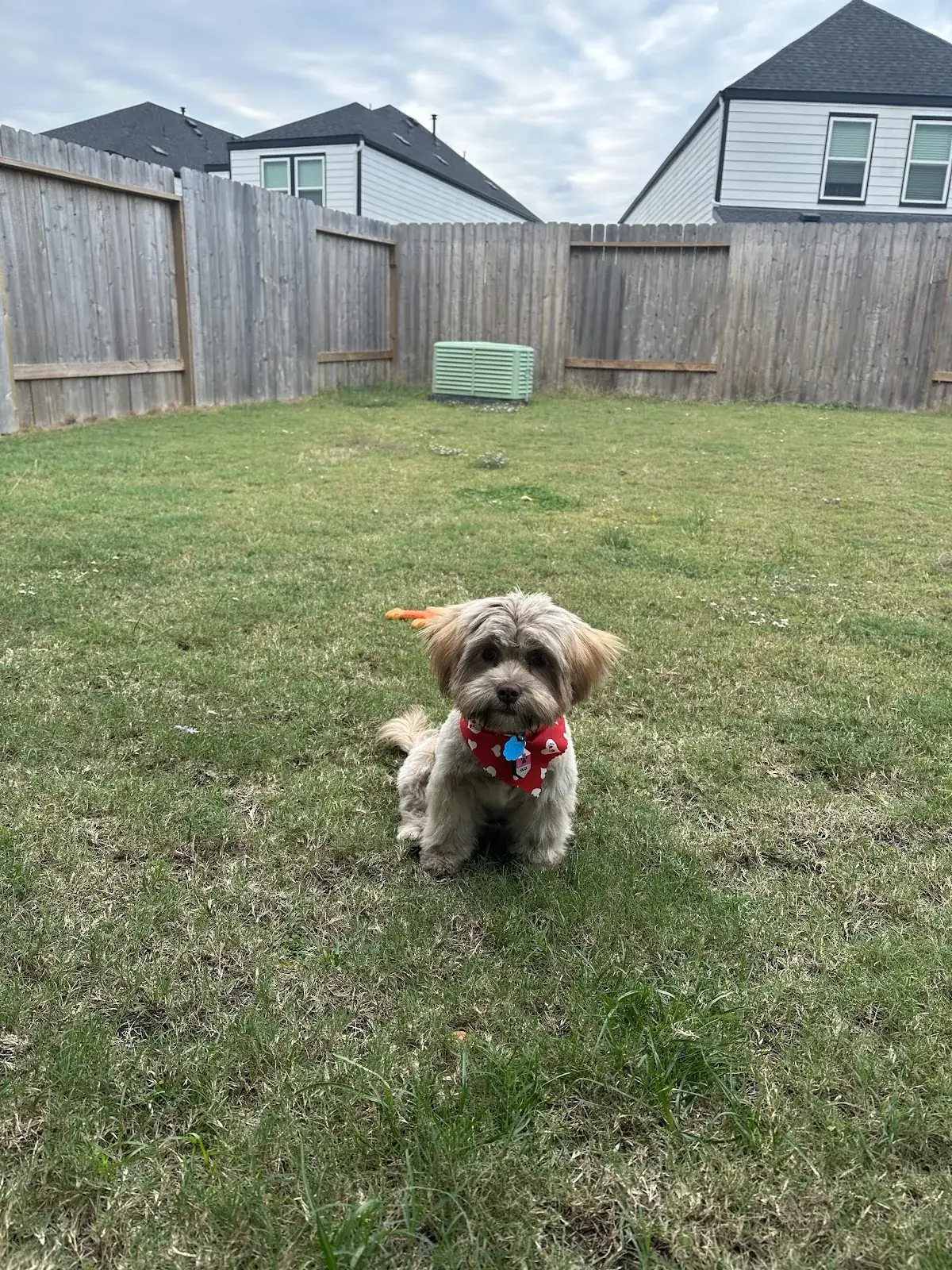
Bred to go to ground
A badger hunter with short legs, a long back and a very large voice.
The dachshund was developed in Germany to hunt badgers and other burrowing animals, following them underground and holding them at bay with its voice. That job demanded courage, independence and a bark a hunter could hear through the dirt. The breed comes in standard and miniature sizes and three coats: smooth, longhaired and wirehaired. Every version has the same long body on short legs, and every version still believes it can take on something much bigger.
In a house that history becomes a dog that barks at the mail carrier, digs up the flower bed and decides for itself whether a command is worth obeying. It is not defiance for its own sake. A dog bred to make decisions alone underground simply weighs your request against the smell in the grass. Training works when the reward beats the smell, the rules never change and sessions stay short enough that the dog wants more.
- An alarm bark that was once a job requirement
- Independence that reads as stubbornness
- A digging and hunting drive aimed at yards and lizards
- A long back that shapes how the dog jumps, climbs and is lifted
The first year
Back-safe habits and a stage-by-stage first year.
Start back care with the puppy, because habits formed in the first months stick. A long spine does best when the dog is kept lean and is not leaping on and off high furniture or climbing long staircases. Put ramps or steps at the couch and bed, carry the puppy on stairs with one hand under the chest and one under the rear, and never lift it by the front legs. Ask your vet about weight and exercise for your own dog.
Obedience runs alongside. Dachshund puppies learn sit and down quickly for food, and they learn just as quickly that ignoring you wins them the lizard. Keep the puppy on a leash or a long line outside until the recall is solid, pay every check-in, and teach sit rather than begging upright on the hind legs, which spares the back and gives the dog a polite way to ask.
Eight to twelve weeks: crate, ramps in place, carried on stairs, name games, a first sit for food
Three to four months: potty on a schedule, a quiet cue at the window, down, handling of paws and back
Four to six months: short leash walks, a long-line recall in the yard, a dig box instead of the flower bed
Six to ten months: the stubborn stage, answered with a leash, better food and unchanged rules
Ten to twelve months: longer walks on flat ground, store trips, a quiet settle while guests visit
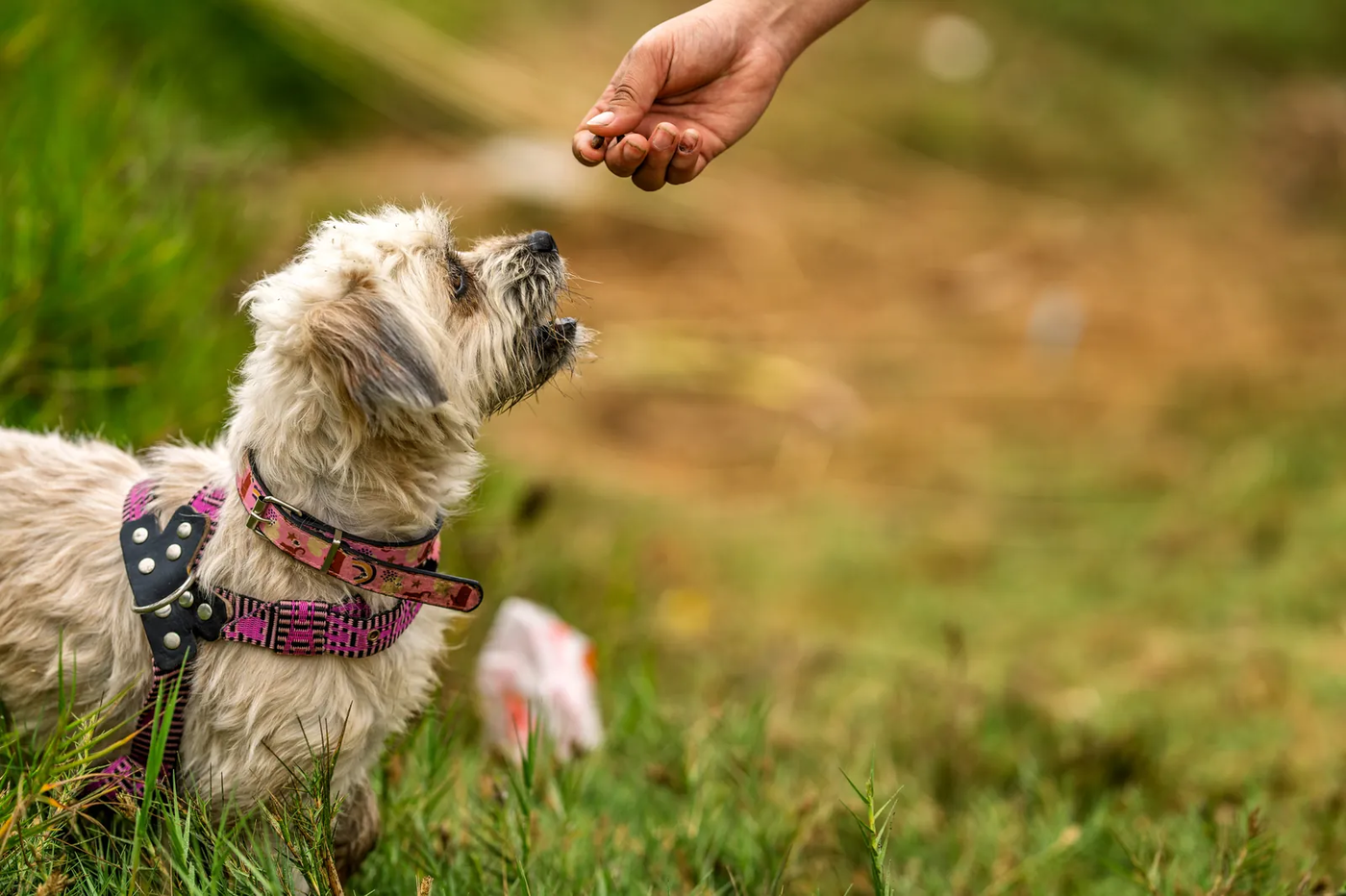
What we see
The bark, the house training and the selective hearing.
The bark comes first. A dachshund barks at the door, the window, the neighbor's dog and the leaf that moved. Shrink the view before anything else: window film on low panes and a closed blind remove half the triggers. Then teach a quiet cue. Let the dog bark twice, say the cue, and pay the first second of silence, building to ten seconds and then thirty. Punishing every bark rarely works; interrupting it and paying the silence does.
House training is second, and the breed has a reputation for it. Most accidents come from too much freedom too soon and a dog that refuses wet grass. Go out on a leash on a strict schedule, pay the dog outdoors the moment it finishes, and use a crate or pen when you cannot watch. Selective hearing is third. Make coming back worth it, practice on a long line, and never call a dachshund to something it dislikes.
- Block the window view, then teach and pay a quiet cue
- A leash, a schedule and a crate for house training
- A long line and high-value food for the recall
- Never call the dog for a bath or a nail trim
Houston life
Low to the pavement, rain that stops potty trips, and fire ants in the dig zone.
A dachshund's belly rides a few inches above the concrete, so Houston summer pavement matters more for this breed than for most. From May to September walk at dawn and after sunset, test the sidewalk with your hand, and move training indoors or into store aisles for the afternoon. Summer storms and tropical systems can leave yards soaked for days, and many dachshunds will hold it rather than step into wet grass, so a covered patch near the door keeps house training on track.
The digging drive meets fire ant mounds, and a nose-down dachshund finds every one. Walk the yard before turning the dog loose and ask your vet which ant treatments are safe around pets. In HOA neighborhoods a dachshund barking at the front window is a common complaint, so the quiet cue doubles as a neighbor-relations skill. In townhomes and apartments near Memorial or the Heights, carry the dog on stairs and teach a calm wait at the elevator.
Getting help
When the bark or the accidents outlast your patience.
Call when barking has become the soundtrack of the house, when accidents continue past six months, or when the dog snaps when picked up or moved. Snapping in a dachshund can signal pain as well as behavior, so book a vet check first. Private lessons at $160 in Cypress or $220 in your home help most families fix the bark and the schedule, and puppies under four months fit the Puppy Development Bundle at $550 or $750.
Gold, two weeks at $2,500, installs a quiet cue, place, loose leash walking and door manners in our trainer's home, with a go-home session so the family learns the same routine. A dachshund that lunges at dogs or people, or that has bitten, fits Platinum at $3,750, which adds behavior modification and unlimited private lessons afterward. The dachshund training page covers each program in Houston terms, and our team can talk it through on a free call.
The programs
Programs that suit a dachshund.
Private lessons for the bark and the schedule, Gold for full manners, Platinum for a dachshund that lunges or bites.


Asked and answered
Questions people ask about this.
Are dachshunds hard to house train?
They have that reputation, mostly because owners give freedom too soon and the dog dislikes wet grass. A strict schedule, a leash for every trip, a crate when you cannot watch and a covered spot for rainy days fix most cases. Accidents that continue past six months deserve a vet check and a closer look at the routine.
How do I stop my dachshund barking at everything?
Reduce what it can see, then teach a quiet cue. Let the dog bark twice, say quiet, and pay the first second of silence. Build the silence slowly. Give the dog enough daily scent work and walking so boredom is not feeding the noise. Barking with lunging at people or dogs needs a trainer's help.
Should my dachshund use stairs?
Keep stair climbing to a minimum, especially for puppies and on long staircases. Carry the dog with support under the chest and rear, put ramps at the couch and bed, and discourage jumping from heights. Your vet can advise on your own dog's back, weight and exercise, which matter as much as the stairs.
Can a dachshund be trusted off leash?
Rarely, and only inside a fence. The nose and hunting drive can override even a well-practiced recall when a squirrel or rabbit appears. Train the recall on a long line for months, test it in fenced spaces, and treat open parks and bayou trails as leash-only places for this breed.
Keep reading
Free consultation · 10% off this fall
Put the big voice on cue.
Tell our team what your dachshund barks at and where the accidents happen. The free phone consultation is a direct call.