
New puppy routine
How much structure does a new puppy need?
Many owners give a new puppy the run of the house and lots of freedom, then wonder why house training stalls and nipping grows. Structure is what makes puppyhood easier for both of you. Here is how much, and what it looks like hour by hour.
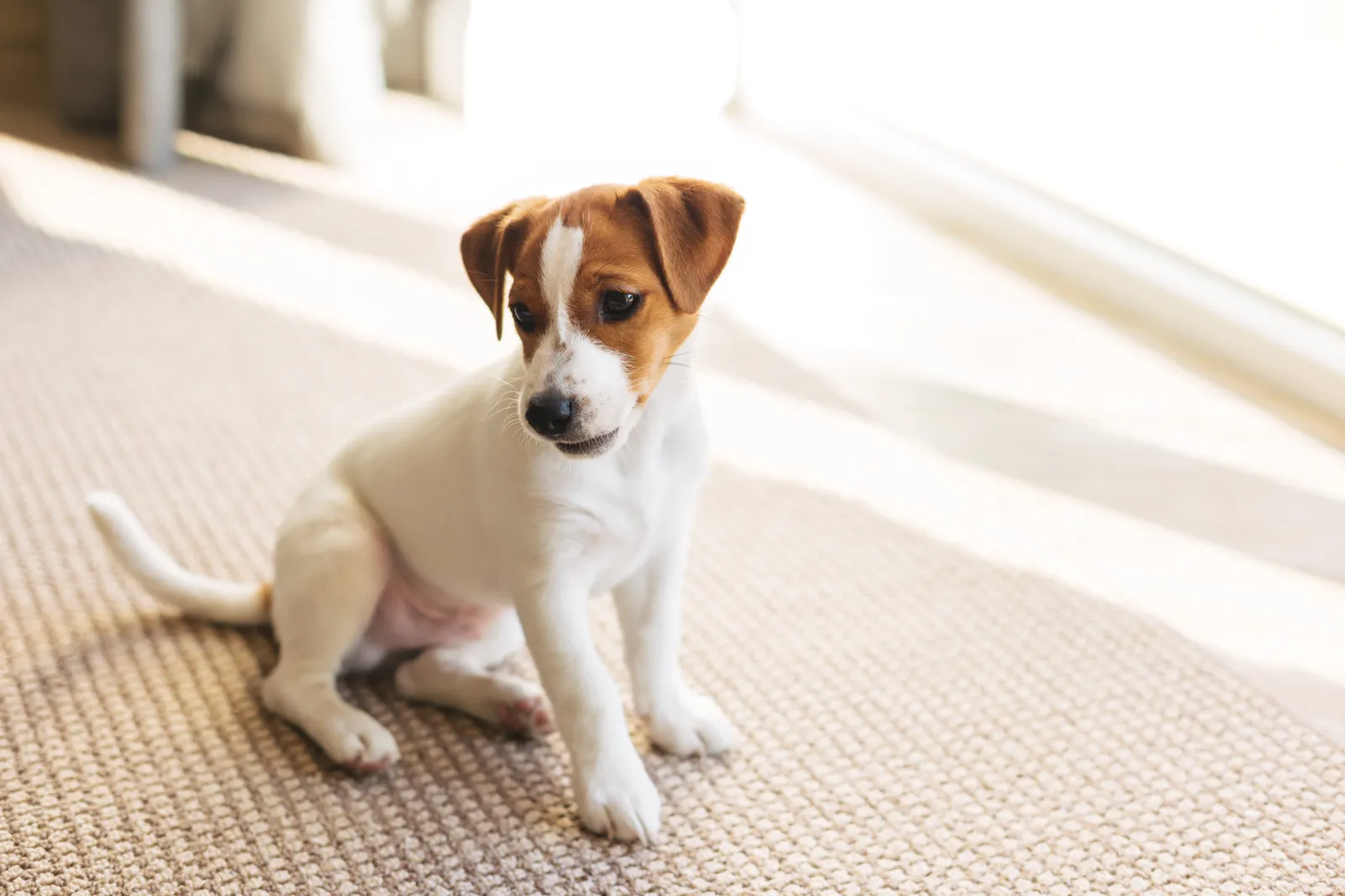
The daily schedule
Build the day around sleep, potty breaks and short sessions.
Young puppies need far more sleep than most owners expect, and an overtired puppy often gets bitey and wild. A good schedule cycles through the same short pattern again and again: wake, potty, a little play or training, potty again, then rest. Repeating it all day teaches the puppy what comes next, and that predictability is calming.
The schedule below is a typical starting point for a puppy of around eight to sixteen weeks. Adjust times to your household, but keep the order the same.
- Wake up: straight outside to the same potty spot, then praise and a short play.
- Breakfast in the crate or pen, then outside again within a few minutes.
- A short play and training block of five to ten minutes, then a potty trip.
- Nap in the crate or pen; most puppies settle quickly after play and a potty break.
- Repeat the wake, potty, play and nap cycle through the day, with meals at set times.
- Evening: last meal a few hours before bed, last potty trip right before lights out.
House rules
Set the rules on day one and have everyone enforce them the same way.
Puppies learn from what works. If one person lets the puppy jump up for attention and another pushes her off, the puppy learns that jumping sometimes pays off, which makes it stronger. Decide the rules as a household before the puppy arrives, and write them on the fridge if that helps.
Common rules include no jumping on people, four paws on the floor for greetings, sit before meals and doors, and off the furniture unless invited. The specific rules matter less than consistency. A puppy can learn almost any reasonable set of rules if everyone applies them every time.
- Four paws on the floor for attention
- Sit before meals and before doors open
- Furniture only by invitation, or not at all
- The same cue words from everyone in the house
Freedom
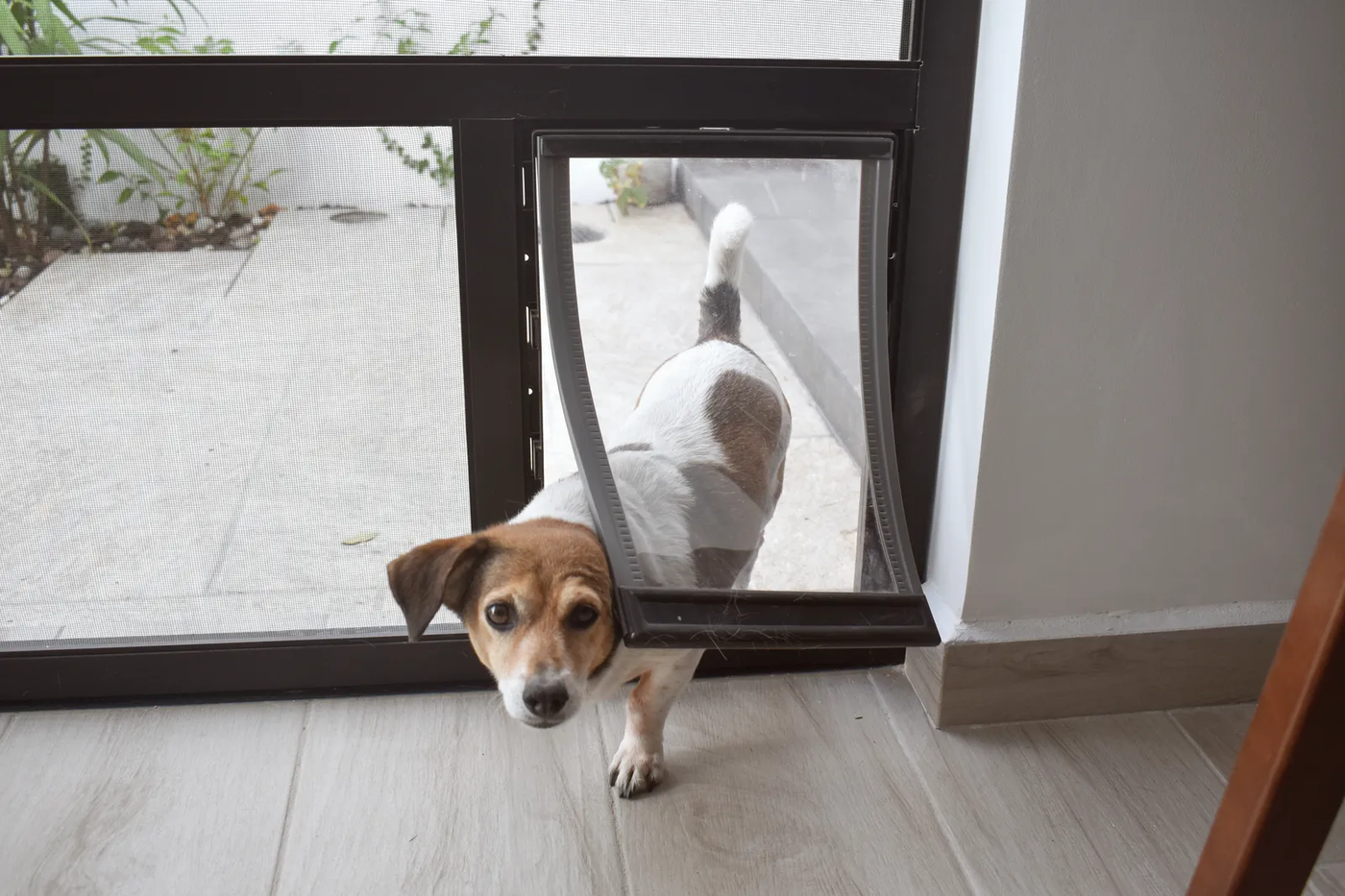
Freedom is earned in stages, room by room.
A puppy loose in the whole house has dozens of chances to chew a cable, have an accident behind the couch or practice nipping at ankles. Structure means the puppy is either supervised, on a leash with you, or resting in a crate or pen. That is not a punishment. It is how mistakes get prevented while good habits form.
As the puppy gets reliable, freedom grows. First the kitchen with you, then the living room, then more of the house, each step only after weeks of good behavior in the last space. If accidents or chewing come back, go back a step for a while. That is normal and does not mean you have failed.
Socialization
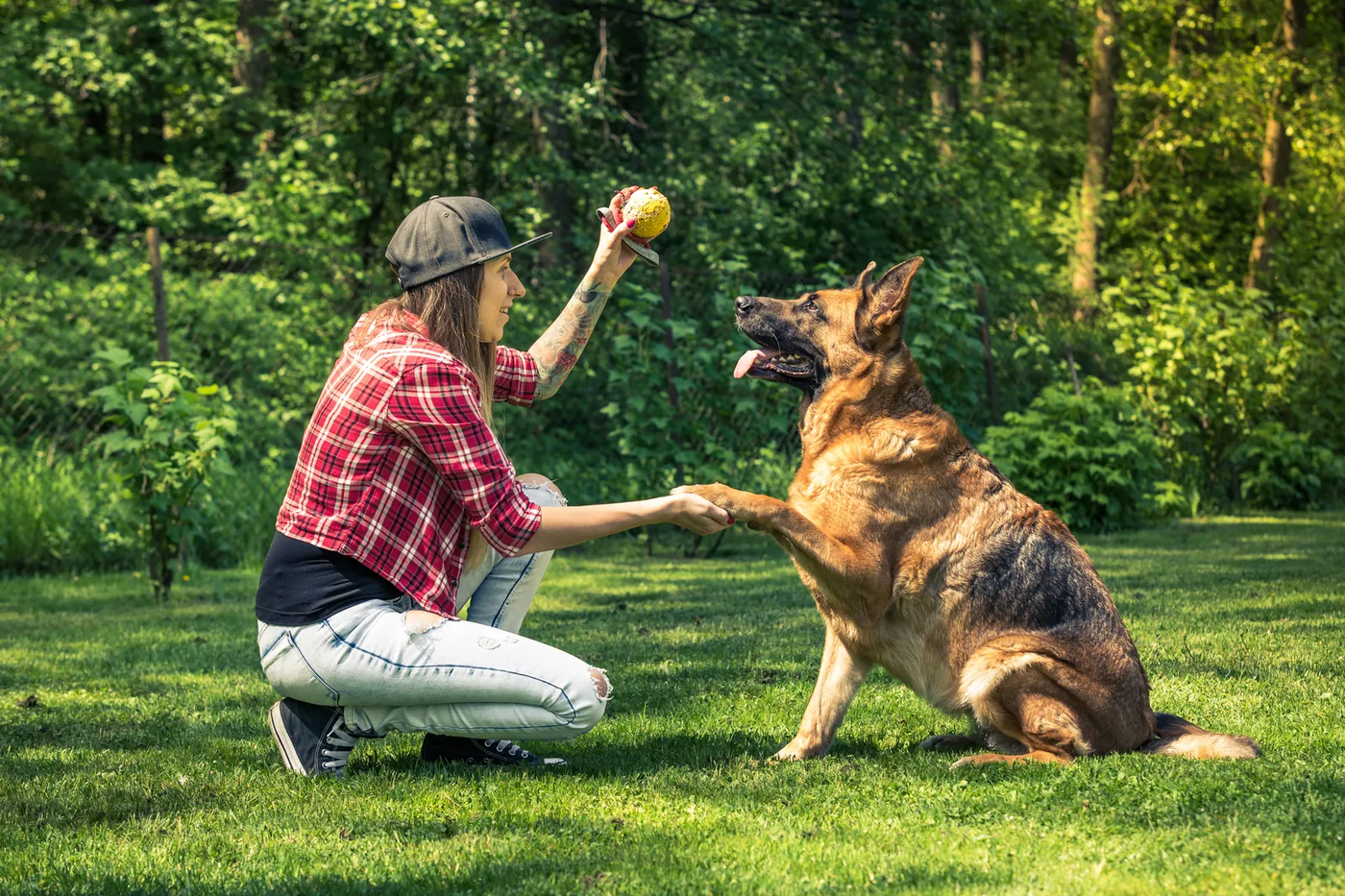
Structure includes planned, gentle exposure to the world.
The first months are a key window for a puppy to learn that new people, sounds, surfaces and places are safe. Structure here means planning short, positive experiences rather than flooding the puppy with a crowded event. A few calm minutes watching traffic from a parked car can teach more than an hour at a busy festival.
Ask your veterinarian which places are safe to visit before vaccinations are complete, and keep greetings with other dogs to healthy, vaccinated, friendly adults. Let the puppy watch from a distance and approach on her own. If she backs away, give her more space and try again another day.
- New surfaces: grass, tile, gravel, a wobbly mat
- New sounds at low volume first
- Calm adults and gentle, supervised children
- Short car rides that end somewhere pleasant
Too much or too little
Adjust when the puppy shows you the structure is off.
Too little structure usually shows up as house training that stalls, a puppy who bites more in the evening and a puppy who never settles. Too much shows up as a puppy who seems anxious, frustrated or bored, with long crate periods and little play or exploration. Most families start with too little and should add more naps and supervision.
If you want a plan for your own puppy, a $99 puppy and ownership consultation by phone or Zoom covers routines, rules and the first weeks. Greater Houston families can also choose in-person puppy sessions. For puppies with sudden changes in energy, appetite or potty habits, see your veterinarian first.
The programs
A puppy routine built for your home.
The $99 puppy and ownership consultation, by phone or Zoom, sets your schedule, house rules and first-month plan. Greater Houston families can also book in-person puppy sessions.
$99per session
Phone or Zoom, anywhere in the US
Virtual consultation with our head trainer
One-on-one guidance for behavior, a new dog, introductions or a new puppy.
How many hours a day should a puppy sleep?
Young puppies sleep most of the day, often far more than owners expect, with short active periods in between. Exact amounts vary by age and the individual puppy. If your puppy seems wild and bitey, she may be overtired, so add a nap in a quiet crate or pen.
Is it bad to keep my puppy in a crate or pen?
No, as long as the crate or pen is a comfortable rest area and the puppy also gets plenty of play, training and time with you. Confinement when you cannot supervise prevents accidents and chewing. Very long crate periods without breaks are too much, especially for young puppies.
How long should puppy training sessions be?
Short. Five to ten minutes, a few times a day, works better than one long session. Stop while the puppy is still keen. Training can also happen naturally through the day: sit before meals, wait at the door and coming when called in the yard.
Can a puppy have too much structure?
Yes. A puppy who spends most of the day confined, with little play or exploration, can become frustrated or anxious. Structure should give the puppy a predictable day full of good things: play, training, outings and rest. If your puppy seems stressed, add play and gentle exploration.
Can I get help setting up a puppy routine by video?
Yes. Our puppy and ownership consultation is a $99 session by phone or Zoom, anywhere in the US. Our head trainer helps you set a daily schedule, house rules and a socialization plan that fit your home and your work hours.
Virtual session, $99
Set up your puppy's routine with our team.
A $99 puppy and ownership consultation by phone or Zoom, anywhere in the US, gives you a daily schedule, house rules and a plan for the first weeks.