
Puppy teeth, fair rules
How to stop puppy biting and nipping
Puppy teeth are sharp and puppy mouths are busy, and every family with a ten-week-old Lab or doodle in Cypress hits the week where the kids stop wanting to play. Nipping is normal. It is also the first place a puppy learns whether your boundaries mean anything.
Last reviewed September 10, 2026 · by the Best Dog University Team
Why puppies bite
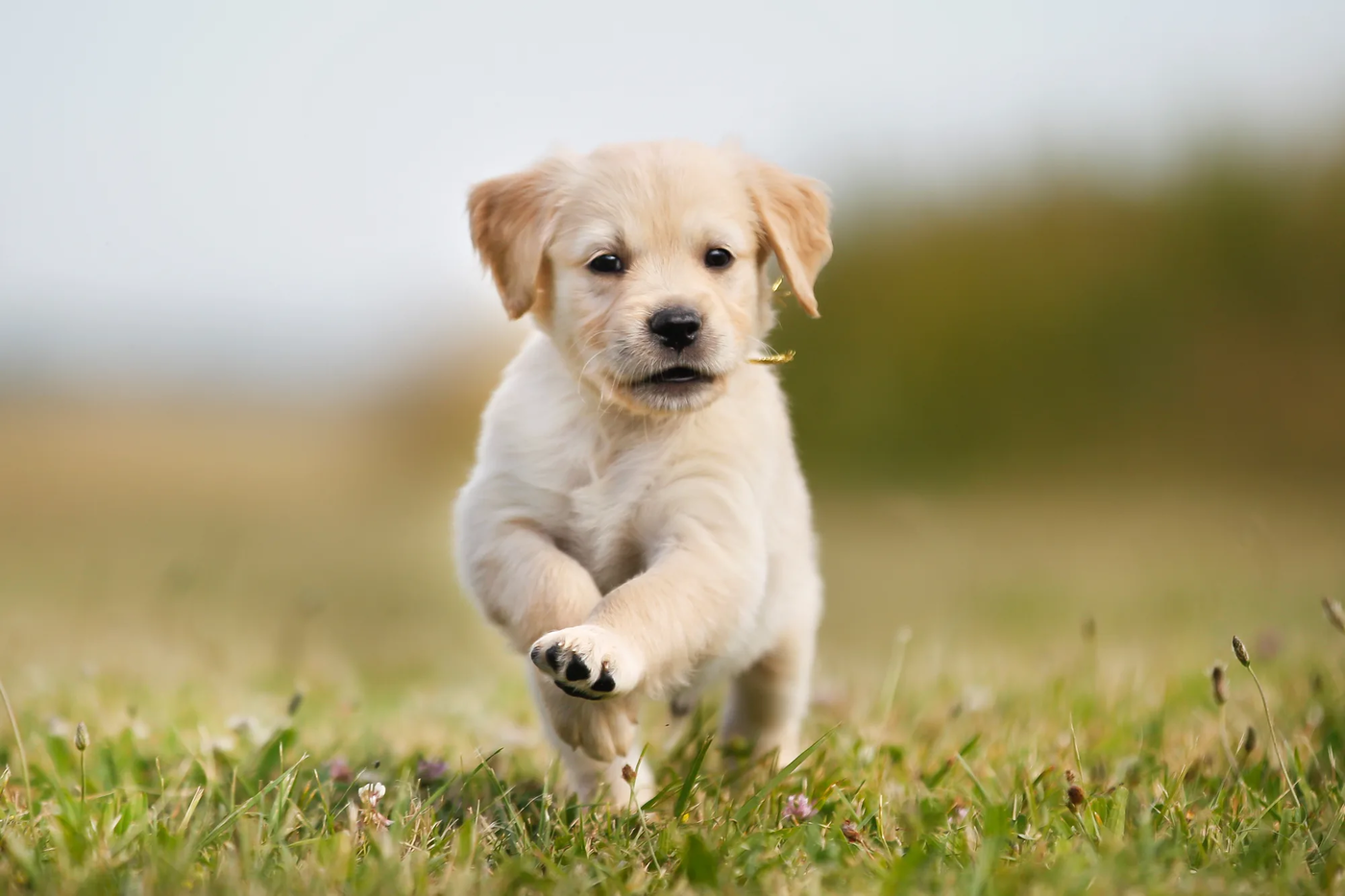
Nipping is how puppies play, explore and test. Your job is to teach what teeth are for.
Puppies use their mouths the way toddlers use their hands. They grab, tug and taste everything, including you, and in a litter they learned from their siblings exactly how hard was too hard. Now you are the litter. The puppy is not being aggressive when he clamps onto your sleeve. He is playing, or he is tired, or his gums hurt, and nobody has yet shown him where the line is.
- Overtired: worst in the evening, fixed by a nap
- Teething: gnaws on hard things, wants cold chews
- Over-stimulated: escalates during rough play
- Learned: nips, then watches for your reaction
The method
Six steps that end the nipping without ending the fun.
The rule is short: teeth on skin ends the game. What makes it work is that every person in the house applies it the same way, including the teenager who thinks it is funny and the grandparent who thinks it is cute. Our trainers teach this in the first Puppy Development session because a puppy who learns the boundary at ten weeks does not need to learn it at ten months, when he weighs sixty pounds.
Agree the rule as a household: teeth on skin ends the game, every time, for every person, with no exceptions when it does not hurt.
The moment teeth touch skin, freeze. Pull your hand back slowly, not fast, and say one quiet "no". A yelp or a jerk turns your hand into a squeaky toy.
Offer a chew toy right away and mark with "yes" when he takes it. He learns what his mouth is for, not just what it is not for.
If he comes back for skin twice in a row, stand up and leave for thirty seconds, or lead him by a house leash to his crate for a nap. No lecture.
Practice calm handling in short sessions: touch a paw, an ear, the collar; mark and feed. Five reps, then done.
Send the energy where it belongs: a two-minute training game, a sniff walk on grass in the cool of the morning, or a frozen stuffed chew on his place bed.
Kids and puppies
Rules for the children, because the puppy is learning from them too.
Kids move fast, squeal and run, which is exactly what a puppy is built to chase and grab. A child who shrieks and yanks a hand away teaches the puppy that hands are the best toy in the house. When school is out in June, the kids are home all day with the puppy and the nipping usually gets worse, not better. The adults have to set the rules and end the sessions.
- No wrestling, no chasing games, no hands as toys
- A child never picks the puppy up or wakes him from a nap
- An adult ends the session at the first nip, not the fifth
- The puppy is crated or on place while kids run through the house
Structure underneath
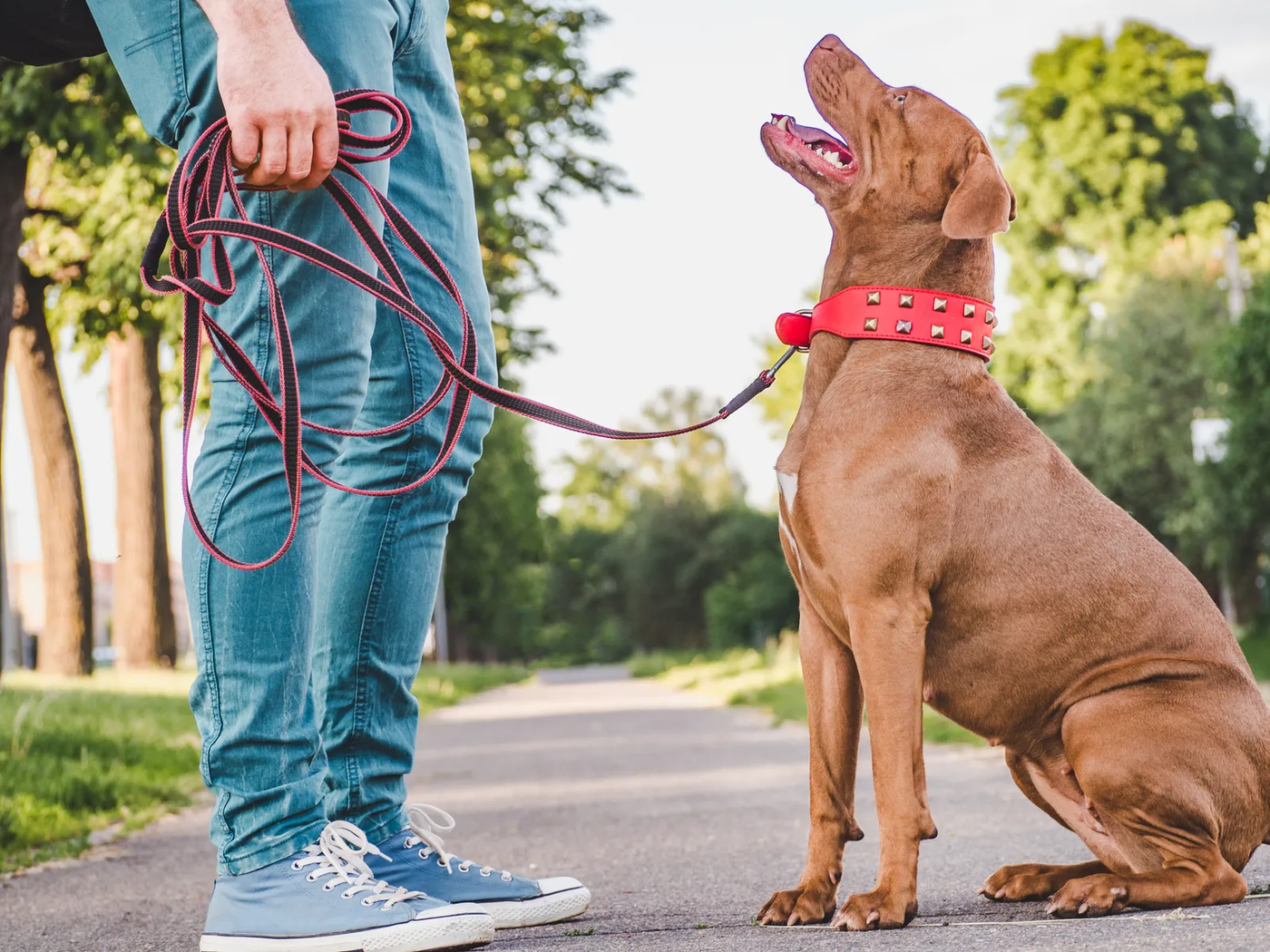
A tired, over-handled puppy bites more. Sleep, the crate and short sessions fix half of it.
Young puppies need far more sleep than most families give them. A puppy who has been passed around a living room for three hours has no self-control left, and the nipping at the end of that evening is a symptom of exhaustion. Scheduled naps in the crate, after every play session and every outing, remove more nipping than any correction. Structure first; the boundary only works on a puppy who can think.
Houston shapes the schedule. In summer the yard is too hot to play in from late morning until evening, so the training and socialization happen indoors and in air-conditioned pet store aisles along 290 and Fry Road, where a puppy can meet carts, people and other dogs on a leash. Frozen chews earn their keep in the afternoons. And keep the sessions short: five minutes of focused work beats an hour of chaos.
Mistakes
What makes puppy biting worse.
Most of what makes nipping worse is done with good intentions. The yelp that is supposed to imitate a littermate excites many puppies rather than stopping them. The rough game that burns energy also teaches the puppy that mouthing people is how play works. And the hand that is allowed to be chewed while it does not hurt yet becomes the hand that is bitten at five months.
- Yelping and pulling away fast, which makes your hand a great toy
- Playing rough with the puppy, then correcting him for playing rough
- Letting him chew hands sometimes because it does not hurt yet
- Skipping naps, because an awake puppy is a biting puppy
- Hitting or holding the mouth shut, which builds fear, not manners
When it is not puppy mouthing
Stiff body, hard growl, a bite over food or a toy: that is a different conversation.
Play nipping is loose and bouncy, and the puppy backs off when the game stops. Watch for the other picture: a puppy who goes still and stiff over his bowl, growls low when a child walks near his bone, or bites hard and holds when you reach for his collar. Those are early signs of resource guarding or a fear response, and they do not fade with age. They grow with it.
The programs
Puppy help before the habit sets.
Under four months, the Puppy Development Bundle covers nipping, handling, crate and potty. Older puppies and adolescents start with a private lesson or a Gold stay.

Asked and answered
Questions people ask about this.
At what age does puppy biting stop?
Most puppies mouth heavily from about eight weeks until teething finishes, somewhere around five or six months. It tapers as the adult teeth come in and as the boundary you hold becomes predictable. A puppy still nipping hard at eight months has usually been rewarded for it somewhere, and the answer is structure and a consistent rule rather than waiting it out.
Should I yelp like a puppy when he bites?
Our trainers do not recommend it. A high-pitched yelp excites many puppies, especially retrievers and herding breeds, and turns the moment into a game. A quiet "no", a still hand and a chew toy in the mouth communicate the same thing without the drama. If he keeps coming back, the game ends and he goes for a nap.
Is a puppy biting the kids a sign of aggression?
Almost never at ten to sixteen weeks. Children move and sound like prey and playmates at once, and the puppy is responding to that. Aggression looks different: a stiff, still body, a hard stare, a low growl and a bite that holds. If you see that pattern, especially around food or toys, call our team rather than waiting for it to pass.
What chew toys work for a teething puppy in the Houston heat?
Anything you can freeze. A rubber toy stuffed with soaked kibble and frozen overnight keeps a puppy busy on his place bed through the hottest hour of a summer afternoon and soothes sore gums. Rotate two or three so the novelty holds. Avoid anything harder than a fingernail can dent and anything small enough to swallow.
Can your team help before my puppy is old enough for board and train?
Yes. The Puppy Development Bundle is four private sessions of 45 to 60 minutes for puppies under four months, $550 in Cypress or $750 in your home. It covers nipping, handling, crate, potty, sit, place, recall and socialization, with our trainer coaching you so the rules are consistent from the start. Board and train begins later, once the puppy is ready.
Keep reading
Free consultation · 10% off this fall
Ask our team about the biting before it becomes a habit.
A free phone consultation takes a few minutes. Describe the nipping, who it happens with and when, and our team will tell you whether it is normal puppy behavior or something to address now.