
Anxiety and fear
How to keep a dog calm at the vet and groomer
The vet and the groomer are the two places a Houston dog is handled by strangers every few months for life, and a dog that fights them is a dog that gets worse care. Here is how our trainers make both boring, at home and in the parking lot, and what to do for the dog that has already bitten there.
Last reviewed September 11, 2026 · by the Best Dog University Team
Why it happens
Strangers, restraint, pain and a car that only goes there.
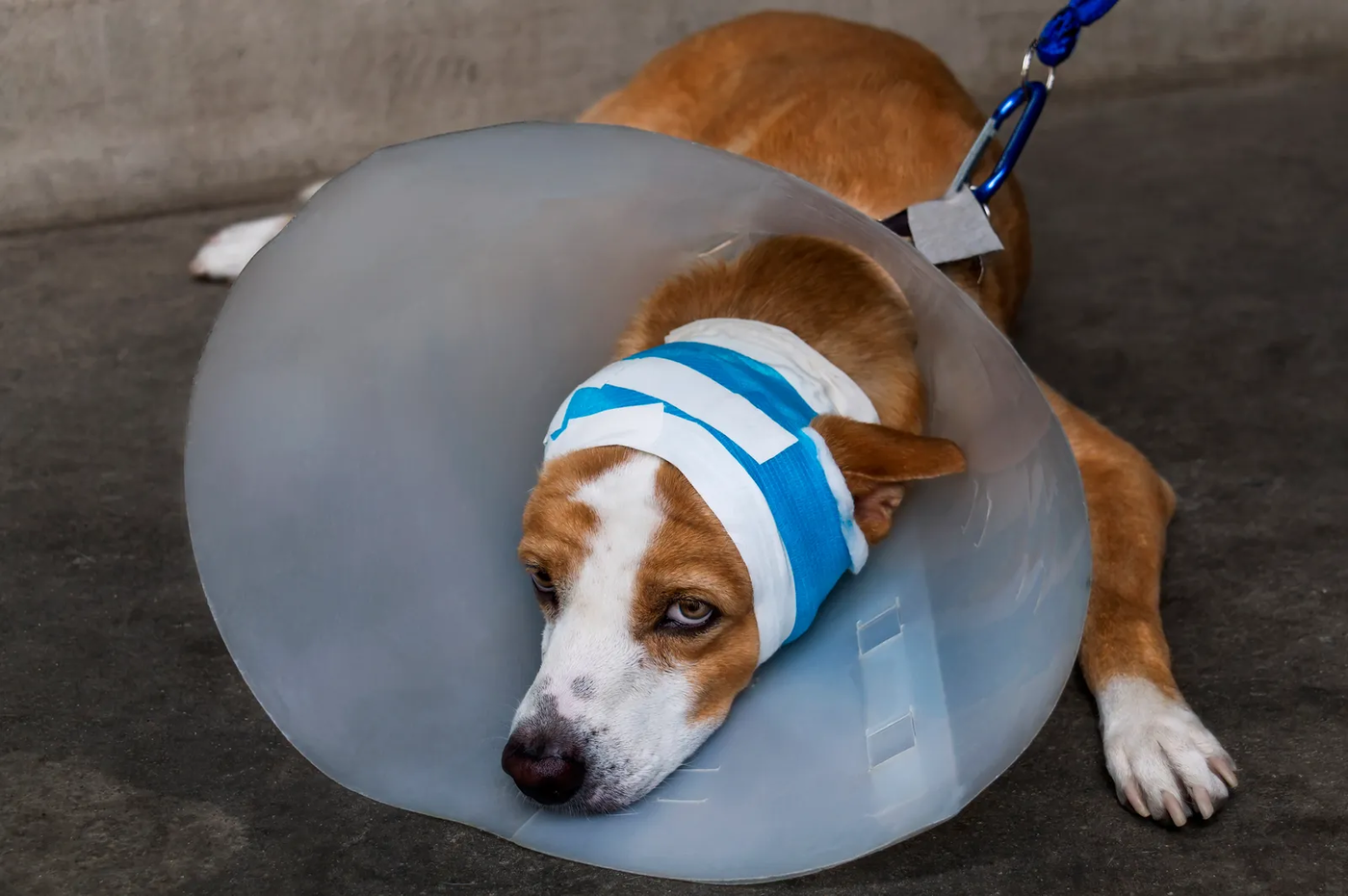
A dog at the vet is held still by strangers, poked, lifted onto a cold table and sometimes hurt, in a room that smells of every frightened dog before it; a dog at the groomer is bathed, dried with a loud machine, clipped and handled for an hour by someone it does not know. Neither is natural and a dog that has never been taught to tolerate handling fights both, and a dog that has fought once is handled more firmly the next time, which confirms everything. The car makes it worse when the only drives end there. The fix is to make the handling, the tools, the table and the places boring before they are needed, at home with food and with visits that ask nothing, so that the appointment is one more ordinary thing.
- Strangers, restraint, a cold table, sometimes pain
- A dog that fought once is held harder next time
- The car that only goes to the vet
- Make it boring before it is needed
The method
Seven steps, most of them in your kitchen and the clinic's parking lot.
Handling is a daily two-minute exercise from puppyhood and a daily two-minute rebuild for an adult that hates it. The happy visits are the other half, and most clinics and groomers welcome them if you ask.
Daily handling with food: a paw held and a treat, an ear lifted and a treat, the mouth opened, the tail lifted, the belly touched, the dog picked up or lifted onto a table, each for a second and then longer, paid every time
The tools made boring: a brush, a towel, nail clippers touched to a nail and a treat, clippers or a dryer turned on across the room during dinner and moved closer over weeks
A basket muzzle taught as clothing: food through the muzzle, the muzzle on for a second and a treat, longer over a week, worn on walks sometimes so it predicts nothing
The car rebuilt as a good place, with drives to fields and friends outnumbering the vet ten to one
Happy visits: into the clinic or the grooming shop with no appointment, a treat from the desk, onto the scale, out again, once a week for a month and then monthly for life
The appointment itself: a walk first, an empty stomach for a car-sick dog, a chew in the waiting room or the wait in the car, the muzzle on before the room if the dog has ever snapped, and the handler calm
A conversation with the clinic about fear-free handling, the dog's history and, for a dog that cannot be handled safely yet, pre-visit medication or sedation, which is kindness and not failure
The mistakes
Holding the dog down, the groomer as punishment, skipping the muzzle, and lying to the clinic.
Holding a frightened dog down at home to practice teaches it that handling is a fight and that its people are part of it; handling is taught a second at a time with food, and the dog that pulls away is paid for the second it gave and asked for less. The groomer as a punishment, or a drive straight to the clinic after a month of nothing but pleasant drives, undoes the car work. Skipping the muzzle because it looks bad means a dog with a bite history gets handled by a frightened technician, which is how bites happen; a muzzle taught as clothing is the kindest thing in the kit. And lying to the clinic about a dog's history puts a stranger's hands at risk and gets the dog rougher handling than it needs; tell them, ask for the fear-free approach, and ask about medication if the dog cannot cope yet.
A senior dog that has suddenly started fighting the vet or the groomer is often in pain, and that is the first thing to check.
- Never hold the dog down to practice
- Never the clinic as a punishment or a surprise
- The muzzle is kindness
- Tell the clinic the truth
- A senior that changes may be in pain
Proofing around Houston
Heartworm tests every year, groomers every six weeks for the doodles, and a parking lot at noon in July.
A Houston dog sees the vet at least yearly for the heartworm test and vaccines and more often for the skin, ear and allergy problems the humidity brings, and Houston's doodles and poodles see a groomer every six weeks for life, so the handling work pays off more here than almost anywhere. The happy visits happen at dawn or in the evening from May to September, because a parking lot at noon in July is not a place to practice anything and a dog is never left in a car there. Our trainers build handling into every stay, because every dog in the training home is brushed, checked and handled daily, and the go-home session includes the handling routine and the muzzle for a dog that needs one.
- Yearly heartworm tests, frequent skin and ear visits
- Groomers every six weeks for the doodles
- Happy visits at dawn or dusk in summer
- Handling built into every stay
When to call
A dog that has bitten at the vet or the groomer, a dog that cannot be touched, or a dog the clinic has asked you to sedate.
A dog that has bitten a veterinary technician or a groomer is a case for honest conversation: the clinic is told, the muzzle is taught as clothing, pre-visit medication is discussed with the vet, and the handling is rebuilt at home a second at a time; a Platinum stay at $3,750 builds the handling, the muzzle and the structure under it in the training home with unlimited lessons afterwards. A dog that cannot be touched at all is a fearful dog first and that page comes first. A dog the clinic has asked you to sedate should be sedated for now, because a dog hurt during a fight at the vet is worse off than a sleepy one, and the training happens alongside. An in-home lesson at $220 sets up the daily handling and the happy visits in an afternoon.
The programs
Programs that make the vet and the groomer boring.
Platinum for the dog that has bitten or cannot be touched, Gold for handling built into the foundation, lessons at home to set up the daily routine and the happy visits.


Asked and answered
Questions people ask about this.
How do I get my dog to stop fighting the groomer?
Handle every part of the dog daily at home with food, make the brush, the clippers and the dryer boring over weeks during dinner, do happy visits to the shop with no appointment, and tell the groomer the dog's history so the first real sessions are short. A dog that has bitten a groomer needs a muzzle taught as clothing and a longer rebuild.
Is it cruel to muzzle my dog at the vet?
No. A basket muzzle taught as a normal piece of clothing, with food, worn sometimes on walks so it predicts nothing, is the kindest thing for a dog with a bite history: it gets gentler handling, the technician is safe, and an emergency never needs a fight. Teach it before it is needed.
Should I let the vet sedate my dog for appointments?
If the clinic asks, yes, for now. A dog that fights during an exam is hurt and frightened and gets worse care than a sleepy one, and pre-visit medication makes the handling rebuild possible. The training happens alongside, and many dogs need less over time.
What is a happy visit?
A trip to the clinic or the grooming shop with no appointment: in the door, a treat from the desk, onto the scale, out again. Once a week for a month and monthly for life, so the building predicts treats more often than needles. Most clinics welcome them if you ask.
Keep reading
Free consultation · 10% off this fall
Make the handling boring before it is needed.
Tell our team what your dog does at the vet and the groomer. The free phone consultation is a direct call.