
Crate training, week one
How to crate train a puppy
The crate is the first piece of structure a puppy learns, and it is what makes potty training, sleep and a calm household possible. Our trainers cover it in the first session of the Puppy Development Bundle. Here is the version families in Katy, Spring and Cypress can start on the day the puppy comes home.
Last reviewed September 10, 2026 · by the Best Dog University Team
Why the crate
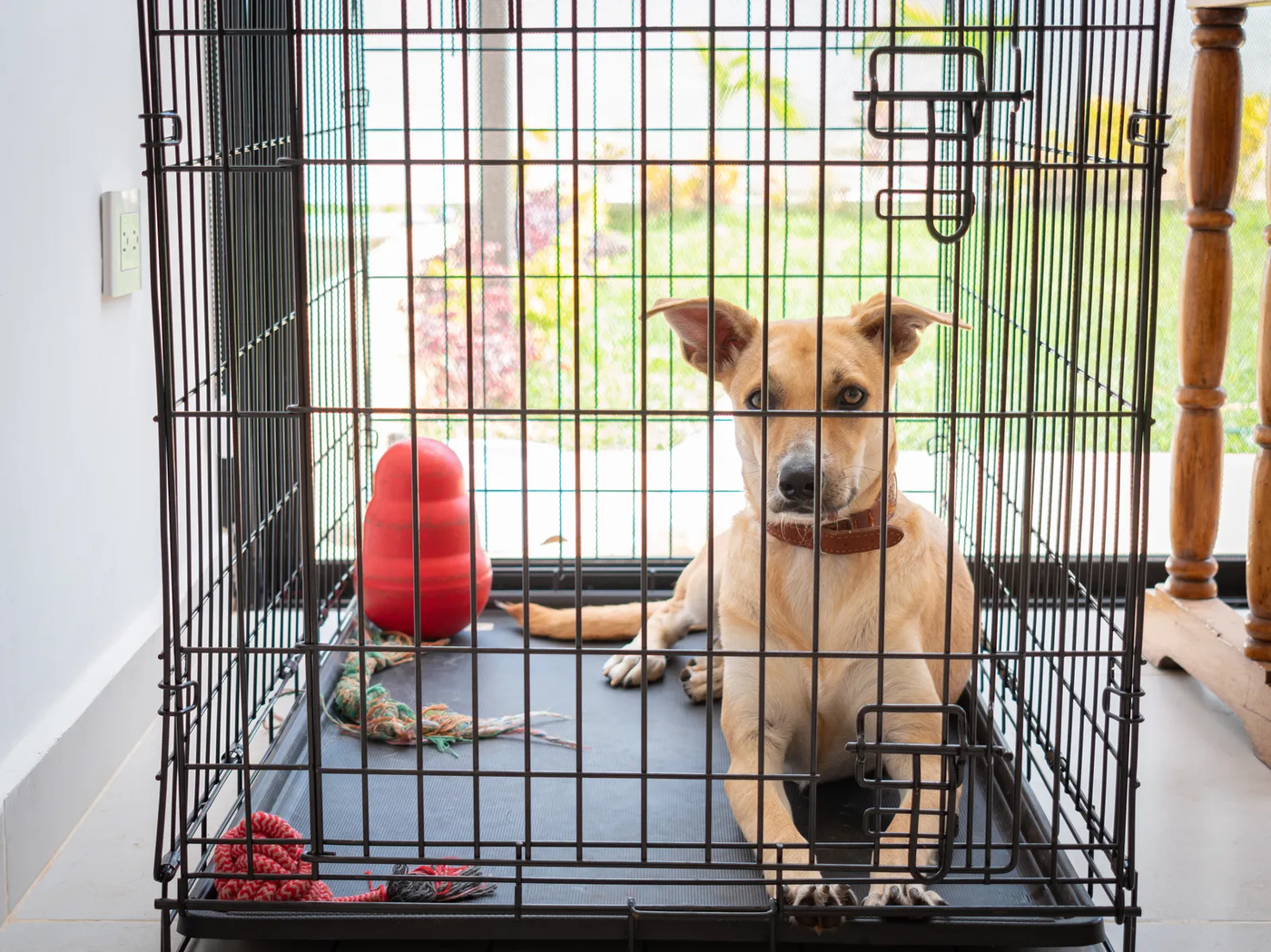
A crate is a bedroom with a door, and puppies do better with one.
Dogs seek out small, enclosed spaces to rest, and a crate gives a puppy one that belongs to him. Used well, it is where he sleeps, naps after play and waits while you cook. It is also the fastest route to a house-trained puppy, because puppies avoid soiling the spot they sleep in, and it is the reason your shoes, baseboards and phone cords survive the teething months.
- Just big enough to stand, turn and lie down, with a divider for a growing breed
- In a bedroom or living space with the air conditioning running, never the garage
- A washable blanket or nothing, no plush bed a teething puppy can shred
- Away from the front window and the doorbell
- A chew toy inside, food and water bowls outside
Week one
The first seven days: door open, then closed, then out of sight.
The order matters more than the speed. Every step below builds on the puppy choosing to go in, so if he balks at any stage, go back one and spend another day there. Say the crate word once, mark once, and keep your voice flat and pleasant. A puppy reads excitement as a reason to be excited.
Day one: set the crate up in the living room with the door propped open and a blanket inside. Toss a few pieces of kibble in and let the puppy find them. Say nothing.
Feed every meal in the crate with the door open. When he walks in without hesitation, start closing the door while he eats and opening it the moment he finishes.
Add a word. As he steps in, say "crate" once, mark with "yes" when he is inside, and give the food. Ten reps, then done.
Close the door and sit beside it for thirty seconds. Open it while he is quiet. Repeat, stretching to two, five and ten minutes over three days.
Leave the room. Come back before he fusses, open the door, and take him straight outside. Every exit from the crate goes to the grass, not the couch.
Build to a full nap and then a short trip to the grocery store. Give him a frozen stuffed chew for the longer stretches.
Crate him at night beside your bed. If he wakes and cries after hours of quiet, take him out on a leash, potty only, no play, and back in.
The daily rhythm
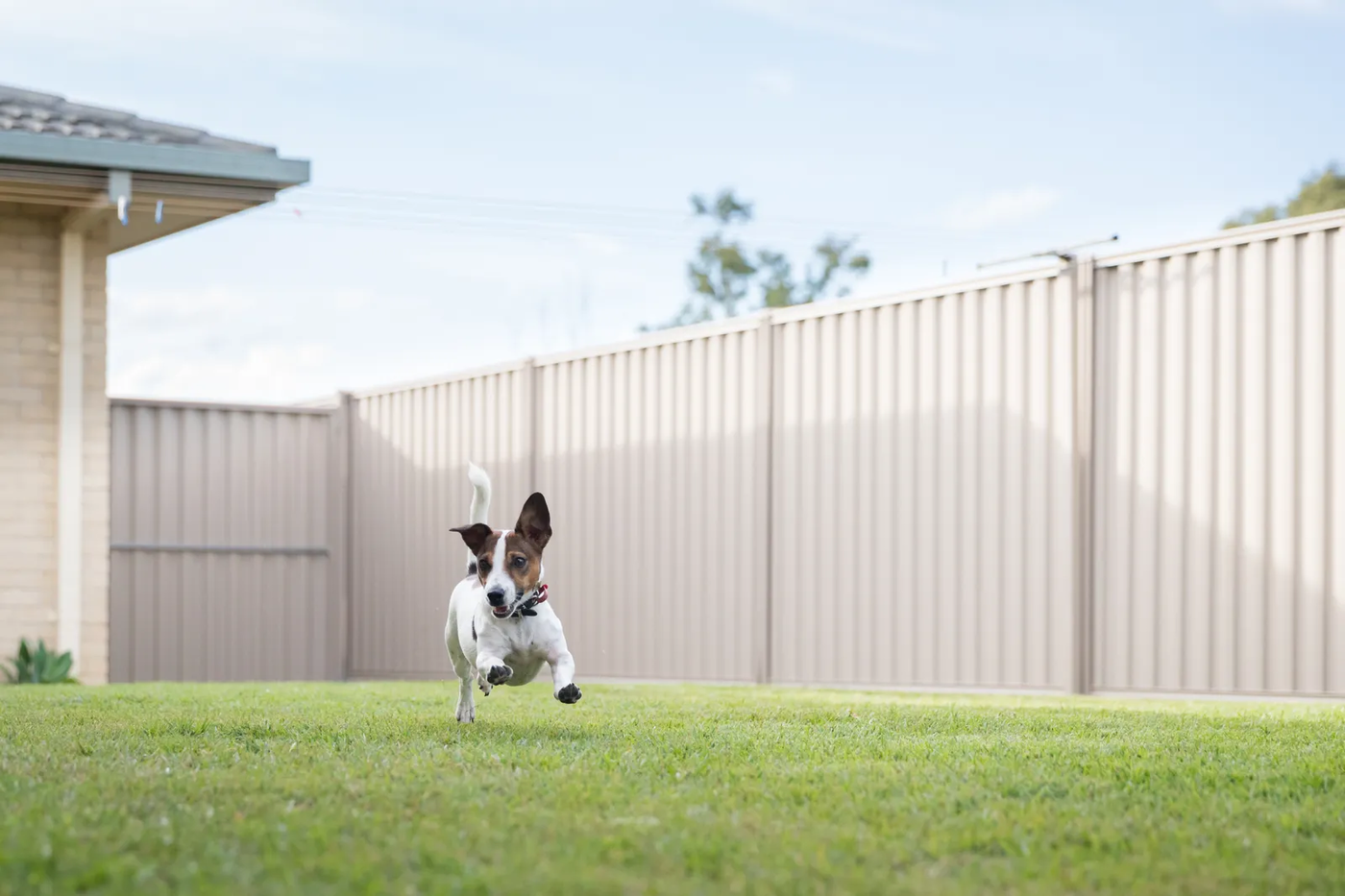
Pair the crate with potty trips, meals and naps so the puppy learns the pattern.
A puppy who knows what comes next settles faster. The rhythm is simple: out to potty, then play or training, then crate for a nap, then out again. Meals happen in the crate, and every crate exit is followed by the same walk to the same patch of grass. Within days the puppy starts heading for the door on his own after a nap, which is potty training doing its work.
- Out to potty first thing, before anything else
- Play or a two-minute training game, then crate for a nap
- Crate while you cook, eat and shower
- Last potty trip at dusk, then straight to the crate
- Check the potty spot for fire ant mounds after every rain
Night whining
Whining at night: how to tell adjustment from a real need.
A puppy in a new house will cry the first few nights. It sounds terrible and it is normal. The difference between adjustment and need is the pattern. A puppy who whines, settles after a few minutes and sleeps is adjusting. A puppy who was quiet for three hours and then wakes and cries insistently most likely has to go out. Take him out on a leash in the dark, let him potty, and put him back without a word or a light.
Mistakes
The mistakes that turn a crate into a fight.
Nearly every crate problem our team hears about on the phone started with a door opened while the puppy was crying. It only has to work once. From then on the puppy cries longer and louder, because that is the volume that opened the door last time. Open the door on quiet, even if quiet lasts two seconds, and the crying shortens every day.
- Opening the door while the puppy is crying
- Using the crate as the place he goes when he is in trouble
- Leaving a young puppy crated longer than his bladder can manage
- Skipping the crate on weekends because everyone is home
- Putting the crate in a hot garage or laundry room
When crying is not adjustment
A puppy who panics in the crate needs a plan, not more time.
Some puppies do more than whine. They claw the door, chew the bars, drool through the blanket and are soaked and frantic when you return. That is not a stubborn puppy. That is panic, and repeating the schedule makes it worse. It is also the point where a general how-to stops being enough and a trainer who has seen it many times needs to see this puppy.
The programs
Help with the crate, at your pace or ours.
Puppies under four months start with the Puppy Development Bundle. Older dogs who cannot settle when confined do that work in a board and train.

Asked and answered
Questions people ask about this.
How long can a puppy stay in a crate?
A young puppy's bladder sets the limit, not the clock. Under three months, plan on taking him out every couple of hours during the day, with longer stretches overnight because a sleeping puppy holds it longer. If you work full days, arrange a midday visit rather than stretching crate time. A puppy forced to soil the crate loses the instinct that makes it work.
Should I put water in the crate?
Not for short stretches and naps, because a full bladder undoes potty training. Water is always available when the puppy is out of the crate. In Houston heat, make sure the crate room is cool and offer water right before and right after every crate session. For longer daytime absences, a clip-on bowl with a small amount is a fair compromise.
Where should the crate go in a Houston house?
In the room where the family spends its evenings, and beside your bed at night for the first two weeks. Air conditioning is not optional; garages, laundry rooms and sunrooms get dangerously hot from May to September. Keep the crate away from the front window so passing walkers and delivery drivers do not become a barking habit.
My puppy cries every time I close the door. Am I doing it wrong?
Probably you moved too fast. Go back to feeding meals with the door open, then closing it only while he eats. Add seconds, not minutes. Open the door only during a pause in the crying, even a short one. If the crying is frantic rather than complaining, with clawing and drooling, that is a different problem and worth a call to our team.
Do I still need the crate once my puppy is potty trained?
Yes, for a while. Chewing peaks in adolescence, well after potty training ends, and the crate keeps the house and the dog safe during absences. Most dogs keep using it as a bedroom by choice once the door stops being closed. It also stays useful for travel, hurricane evacuation and any stay at our Cypress training home.
Keep reading
Free consultation · 10% off this fall
Bring the puppy questions to our team.
The free phone consultation is a real conversation about your puppy's first weeks. Our team will tell you whether the Puppy Development Bundle fits or whether you already have it handled.