
The quieter house
Dog training for empty nesters: the dog when the kids leave for college
Every August the same call comes from Cypress, Katy and The Woodlands: the youngest left for college, the house went quiet, and the dog is not coping. The dog did not lose a family. It lost a schedule, and schedules can be rebuilt.
Last reviewed September 29, 2026 · by the Best Dog University Team
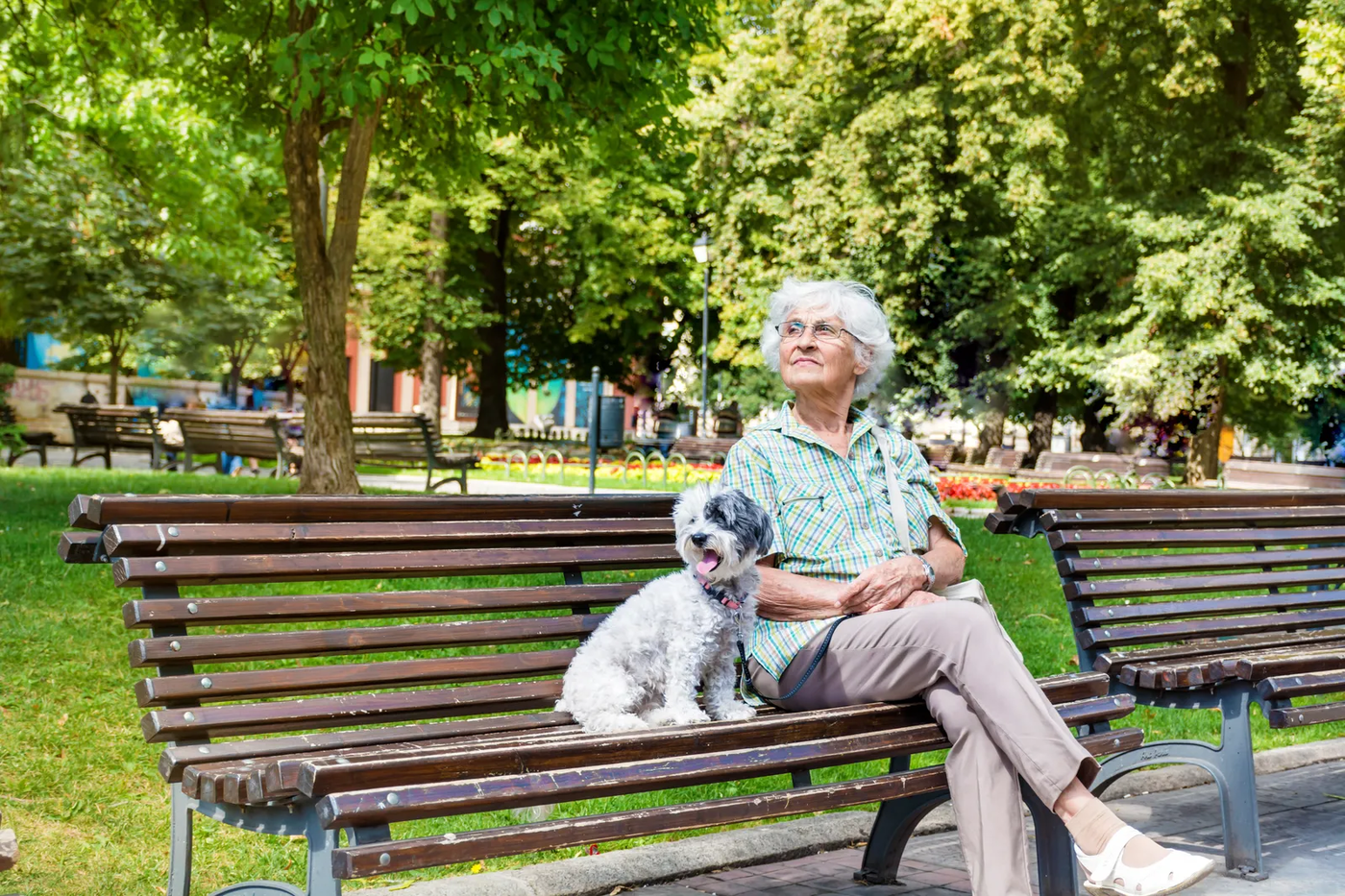
What changes
The dog lost its schedule, its playmates and its afternoon shift.
A teenager's day gave the dog structure it never noticed: the 6:45 kitchen chaos, the 3:30 bus, the backyard fetch at dusk, the late-night snack it begged from. Take the teenager away and the dog's whole clock stops. For the first week or two you see it as restlessness: pacing the hall at the old bus time, sleeping in the empty bedroom, barking at sounds it used to ignore because someone else was always making noise.
The second change is who the dog attaches to. With one or two adults left, the dog often picks the person who works from home and follows them from room to room, whining at the office door, refusing to settle unless that person sits down. Owners read this as grief. It is closer to a dog with too much time and not enough direction, and it is very workable.
- Pacing or barking at the old school-run times
- Sleeping in the empty bedroom
- Shadowing the one adult still home
- Less exercise than it had in June
Weeks one to four
Rebuild the day in four weeks: same times, new jobs, real duration on place.
Week one is about the clock. Pick meal times and walk times that suit the adults, not the old school calendar, and hold them every day including weekends. Walk with the dog beside you in a structured heel rather than a sniff-and-drag, because the walk is now the dog's main work and it should feel like work. Feed on place, and end each evening with ten minutes of place while you watch television.
Weeks two to four add the jobs. Whatever the kids did, the dog can still have a version of: a fetch session with rules, a short training block in the kitchen, a trip to the hardware store on 290 for a lap of the aisles. Build place from ten minutes toward thirty, then to an hour with you in another room, so the dog learns that quiet is normal and not a sign that something is wrong.
Week 1: fixed meal and walk times chosen for the adults' day; meals on place
Week 1: a structured walk at dawn and dusk, heel first, sniffing second
Week 2: place for ten minutes each evening, building toward thirty
Week 2: one short training block a day, five minutes, in the kitchen
Week 3: place with you out of the room; the first store field trip
Week 4: an hour alone in the crate or on place while you run an errand
Houston empty nesters
August is the worst month to lose a walker, so move the work indoors and early.
Move-in weekend at Texas colleges lands in the middle of Houston's heat, when the pavement fails the back-of-the-hand test by nine in the morning and the dog's old dusk fetch is a risk. The AVMA's guidance on pets and heat is worth a read; in practice it means the walks move to six in the morning and after eight at night from May to September, and the missing exercise is replaced with indoor work: place, leave-it drills, a snuffle mat, a lap of a pet store in Cypress or Katy.
The quieter house also has a Houston shape. Fewer people coming and going means the doorbell becomes an event, the lawn crew's Tuesday visit becomes a crisis, and a September storm finds a dog with no one home to lean on. Practice the crate and place now, in a calm month, so hurricane season does not catch a dog that has never been alone during thunder.
- Walks before seven and after eight in summer
- Indoor jobs to replace the backyard fetch
- Crate and place practiced before storm season
- The doorbell rehearsed with a neighbor, not a delivery
When to get help
Four weeks of routine should settle it; panic when alone or a new growl should not wait.
If the dog is calmer by the end of the month, keep going. If it is still pacing, or it has started chewing the door frame, howling when you leave, or refusing food until you return, that is separation distress rather than boredom, and a routine alone will not fix it. Likewise a dog that has started guarding the one adult it now shadows, growling when a visitor approaches, has picked up a behavior that gets worse with rehearsal.
For the boredom-and-manners version, four private lessons at $160 each in Cypress or $220 in your home will set up the routine and fix the walk. For a dog that panics alone or has started guarding, the three-week Platinum Board & Train at $3,750 is the honest recommendation: structure, controlled exposure, a go-home session and unlimited private lessons so the adults, not the college kids, are the ones who know how to run the dog. The free phone consultation sorts out which you need.
- Still pacing after four weeks: lessons
- Howling, chewing doors, refusing food alone: a program
- Guarding the remaining adult: a program, soon
- Just quieter and a bit sad: keep the routine
The programs
Programs for the empty-nest dog.
Lessons to rebuild the routine, Gold for the manners gaps a busy family let slide, Platinum for the dog that panics or guards.


Asked and answered
Questions people ask about this.
Is my dog depressed now that the kids are gone?
Dogs do notice when a person leaves, and a week or two of searching the house and sleeping in the empty room is normal. What looks like depression after that is usually a dog with less exercise, less structure and more time than it had in June. Rebuild the routine first; if the dog is still flat and refusing food after two weeks, see your vet to rule out anything physical.
Should we get a second dog to keep the first one company?
Not as the fix for this. A second dog doubles the work and can copy the first dog's anxiety rather than cure it. Give the current dog a month of new routine and see what you have. If you still want a second dog after that, add it when the first one is settled, and read our guide on adding a second dog before you do.
The dog waits at the door at the old bus time every day. Will that stop?
Yes, usually within two to three weeks, once the new routine gives the dog a different thing to expect at that hour. Put something predictable there: a short walk, a training block or a stuffed chew on place at 3:30. The dog keeps the clock; you change what the clock means.
Can a board and train help an older dog adjust to an empty house?
It can, and older dogs adjust well to structure. The Gold or Platinum stay gives the dog a clear routine for two or three weeks, and the go-home session and follow-up lessons teach the adults how to keep it. For a dog with joint issues we plan shorter sessions and more indoor work, and boarding with refreshers is available afterward for returning clients.
How do we handle the dog when the kids come home for Thanksgiving?
Keep the routine you built. The kids can join walks and feed on place, but meal times, crate times and rules stay the same, so the dog does not swing between two households. Ask them not to undo the door manners or the couch rule in a long weekend; the dog will test both when they leave again.
Keep reading
Free consultation · 10% off this fall
Tell our team about the quiet house.
The free phone consultation is a direct call with our team: what the dog did before August, what it is doing now, and whether it needs a new routine or a program.