
Barn dog rules
Dogs and horses: training a dog to be safe around the barn
The barns on the acreage lots around Tomball, Magnolia, Hockley and Waller nearly all have a dog, and a lot of those dogs learned their manners by getting kicked once. There is a better way, and it starts with the structure we use for every dog in Cypress, taken to the fence line.
Last reviewed September 29, 2026 · by the Best Dog University Team
What changes
The dog meets a thousand-pound animal that spooks, kicks and does not want to play.
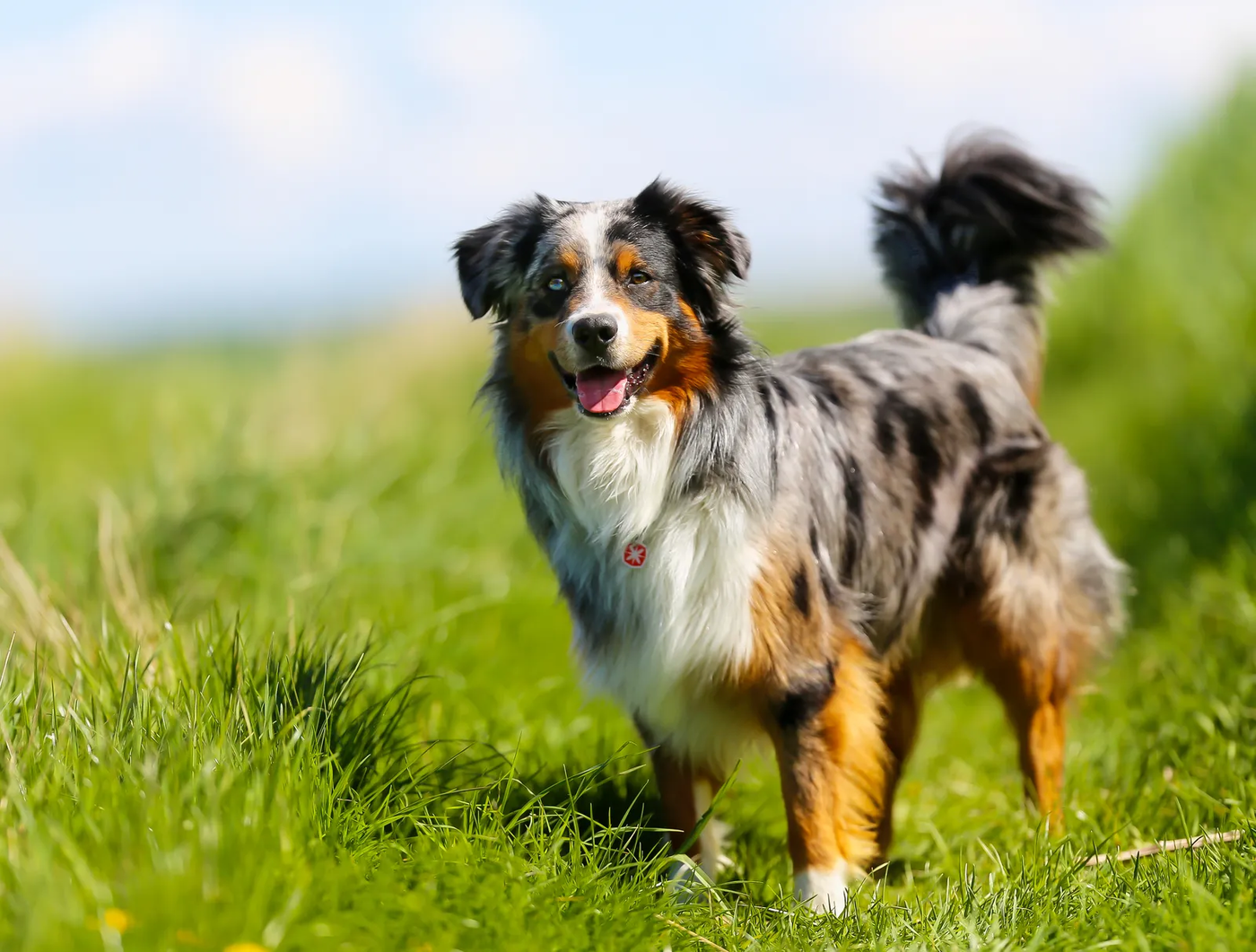
To a dog a horse is a giant moving thing that smells like prey and behaves like a threat. Herding breeds want to circle and nip at the heels; terriers and hounds want to bark and chase; young Labs bounce in to say hello at the head, where the front feet are. None of this is aggression. All of it can get a dog kicked, and a spooked horse can hurt the person holding it.
The barn changes the dog's day even when it behaves. There is feed to raid, manure to eat, a farrier and a vet in the aisle every few weeks, trailers backing up, cats in the hay, and a fence line that goes on for acres with no recall behind it. A dog that lives near horses needs a stronger obedience floor than a dog that lives in Bridgeland, because the consequences of a lapse are heavier.
- Heel-nipping and circling: herding instinct
- Barking and darting at the head: excitement
- Standing in the aisle during turnout: the most common injury
Weeks one to six
Fence, then aisle on a leash, then long line at turnout, then off leash with a recall proven.
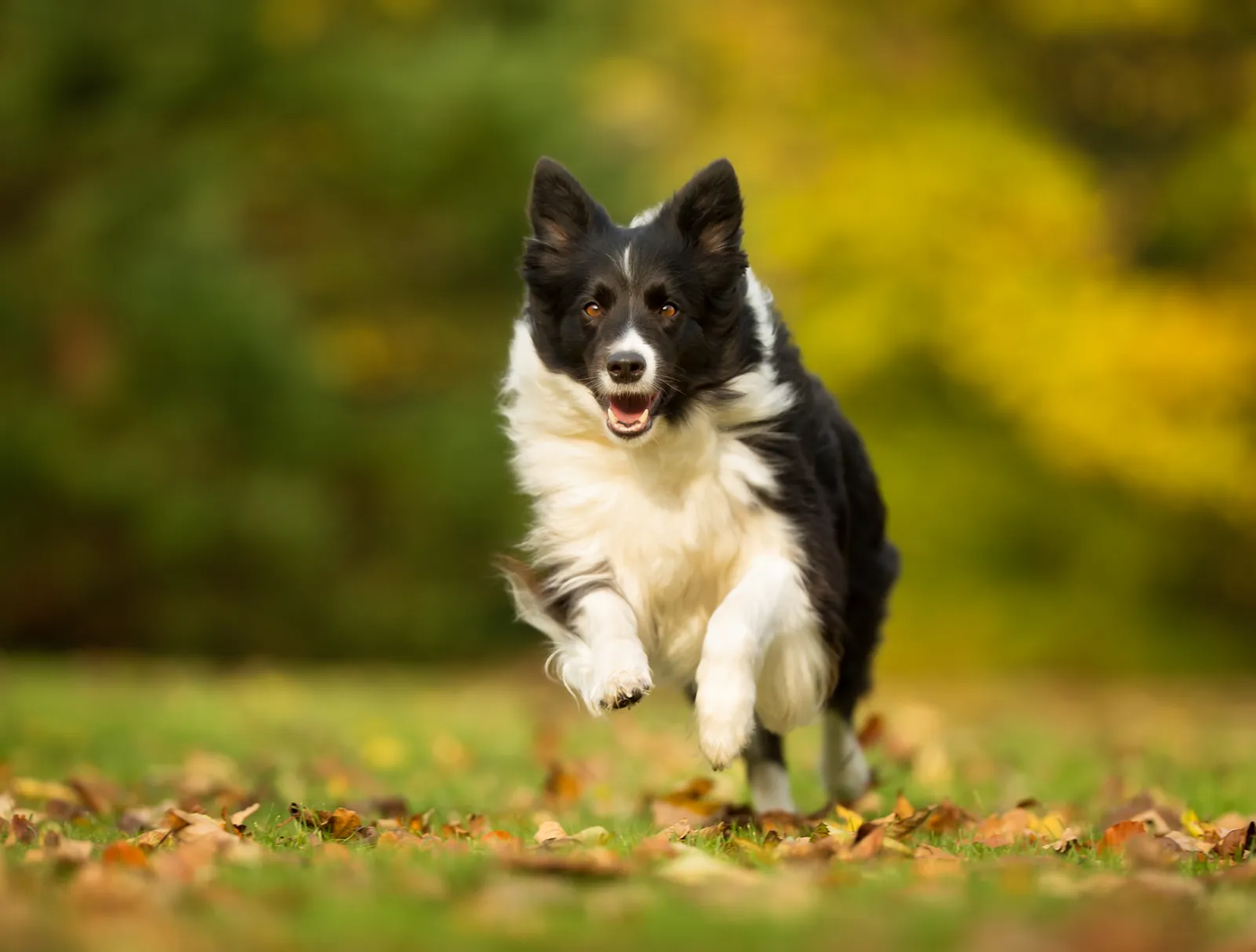
Weeks one and two happen outside the fence. The dog learns to sit and down at the rail while horses graze, then while one is led past, then while one trots by. Reward calm, correct the creep forward, and go home before the dog gets tired. Inside the house build the recall on a long line until the dog turns on the first call every time, because that recall is what saves it when a horse spooks.
Weeks three and four the dog comes into the aisle on a leash while you do chores, holding a down on a mat by the tack room, never behind a horse. Weeks five and six the dog is on a long line in the arena or at the paddock edge during turnout, practicing the recall off a moving horse. Only when it comes off a cantering horse, ten times out of ten, does the line come off, and even then the dog is not loose during farrier visits, trailer loading or a new horse's first week.
Weeks 1 to 2: sit and down at the fence rail while horses graze, then move
Weeks 1 to 2: recall built indoors and in the yard on a long line
Weeks 3 to 4: leashed in the aisle on a mat during chores; never behind a horse
Weeks 5 to 6: long line at the paddock edge; recall off a moving horse
After: off leash only with a proven recall and an adult present
Always: crated or leashed for the farrier, the vet and trailer loading
The barn's own rules
Some places are off limits for good: the hind end, the aisle during turnout, the feed room.
Training gets you a dog that listens. Layout keeps it alive on the days it does not. Fence the feed room and the tack room, keep the dog's water away from the wash rack, and teach every rider that the dog does not come into the aisle while a horse is being led. When someone new is riding, a nervous horse and a helpful dog are a bad combination, and the dog goes in the crate.
Summer in Montgomery and Harris County adds its own list. Barn chores happen at dawn to beat the heat, which is when the dog's session happens too; by ten the sand in the arena is too hot for paws. Snakes in the hay, fire ants at the trough and the coyotes that follow the fence line at dusk are all reasons the dog is not roaming the acreage alone at night. Mosquitoes around a water trough mean year-round heartworm prevention, which is your vet's call.
- Feed room and tack room fenced or closed
- No dog in the aisle while a horse is led
- Crate for farrier, vet and trailer days
- Sessions at dawn; hot-sand check before any arena work
When to get help
A dog that chases, nips heels or has been kicked and is still going back needs a program.
Some dogs learn the fence work in a week. Others, particularly heelers, border collies and Catahoulas, keep going for the heels however often they are corrected, because the instinct is stronger than the lesson. A dog that has already been kicked and still runs at the horses is telling you the drive outweighs the pain, and that is not something a weekend fixes. Nor is a dog that bolts across the property and cannot be called back.
For those dogs our team recommends the six-week VIP Board & Train at $10,000: service-dog-level obedience, complete off-leash reliability, duration stays, a Mini-Educator e-collar included, transport home, and unlimited in-home lessons, which means our trainers finish the work in your barn with your horses. The three-week Platinum at $3,750 handles most barn dogs with a good foundation, and includes unlimited private lessons afterward. Tell our team on the free call what the dog does at the rail and we will say which fits.
- Fence work holding by week two: keep going
- Heel-nipping that survives correction: Platinum or VIP
- Kicked and still charging, or roaming with no recall: VIP
The programs
Programs for a barn dog.
Platinum for a barn dog with a foundation, VIP for complete off-leash reliability finished in your own barn.


Asked and answered
Questions people ask about this.
What is the most common way a dog gets hurt around horses?
Standing in the aisle or behind a horse during turnout, feeding or leading, when the horse spooks or shifts. Kicks to the head and chest are the usual injury; small dogs get stepped on. The fix is a mat outside the aisle, a leash during chores, and a crate for anything that raises the horses' energy.
Can a herding breed ever be trusted loose around horses?
Many can, after longer work than a retriever needs, because the urge to gather and nip at heels is bred in. The tell is whether the dog can hold a down while a horse trots past without creeping. If it can after six weeks, keep building. If not, that dog lives on a line around the horses, and there is no shame in it.
Should I let my dog meet the horse nose to nose?
No. A nose-to-nose meeting invites the horse to strike or the dog to bark and dart, and it teaches nothing useful. The relationship you want is indifference: the dog works, rests and moves around the barn as if the horses were furniture. That comes from weeks of calm exposure at the rail.
Will an e-collar make my dog safe at the barn?
It can make a trained dog reliable at a distance, which is exactly what a barn needs, and it is why the VIP program includes a Mini-Educator and conditions the dog to it properly. On a dog with no foundation it just adds confusion. Build the recall and the down first; the collar then holds them when a horse bolts.
Does board and train work for a dog that lives on acreage?
Yes. Our trainers take dogs on field trips to real places, the lake included, so the obedience is built around distraction rather than in a quiet room. For a barn dog we recommend the transport option or VIP so the final lessons happen at your place, with your horses.
Keep reading
Free consultation · 10% off this fall
Tell our team about the dog and the barn.
One free phone call with our team: the breed, what the dog does at the rail, whether it has been kicked, and which program will make it safe.