
Houston dog life
Houston dog hazards: fire ants, toads, snakes and mosquitoes
Houston is a lush, wet, warm place, which is why it is full of things that bite, sting and poison a curious dog. None of them is a reason to keep the dog inside. All of them are a reason the leash, the leave-it and the recall matter more here than in most cities.
Last reviewed September 10, 2026 · by the Best Dog University Team
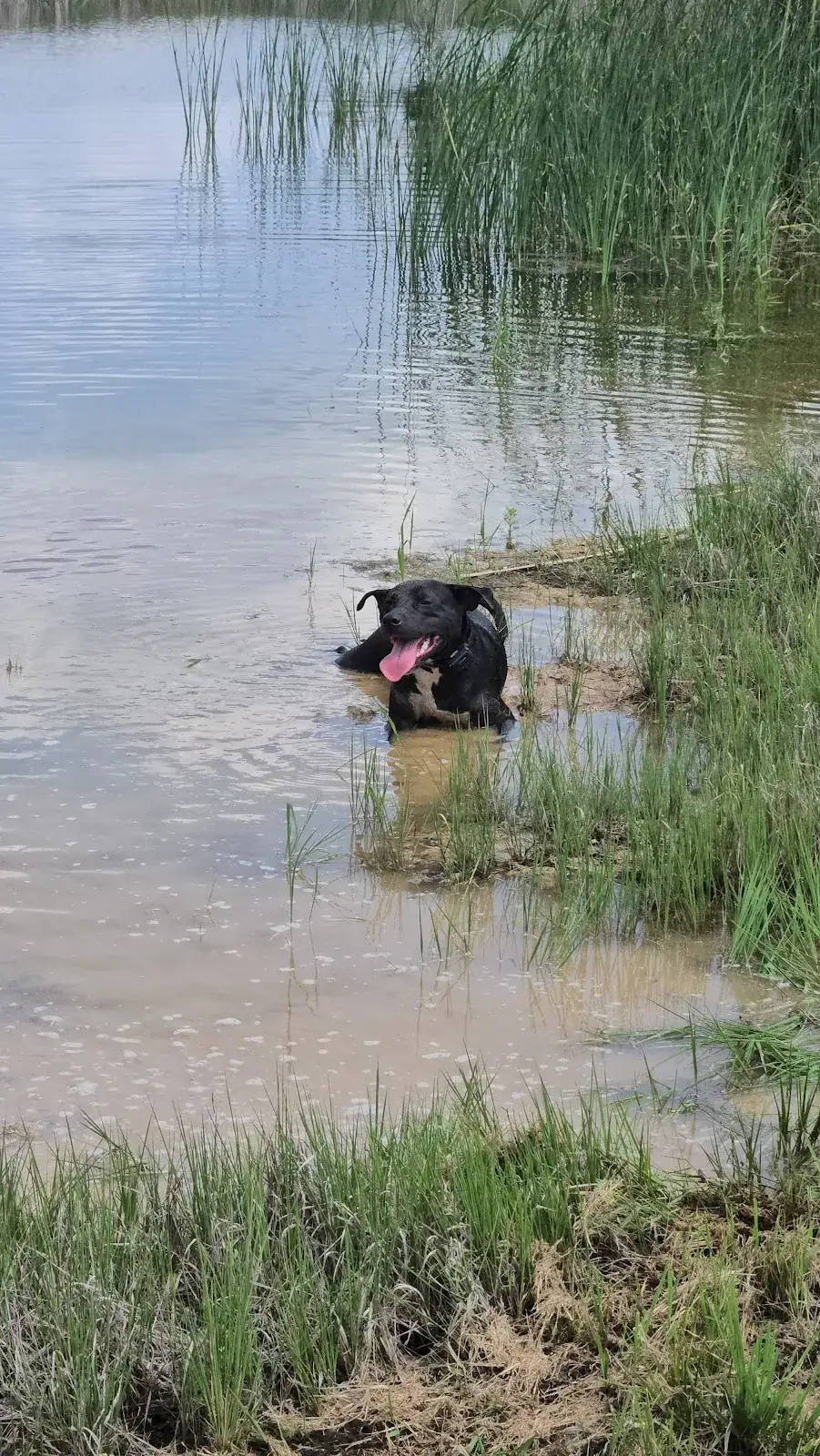
Fire ants
Fire ant mounds are everywhere, and a dog that walks in a heel walks around them.
Red imported fire ants build mounds in lawns, along sidewalks and trail edges and in any disturbed soil, especially after rain. A dog that stands on one gets dozens of stings in seconds, usually on the paws, belly and muzzle, and a dog that is allergic can react badly. Most stings happen to a dog on a loose or retractable leash sniffing where it wants; a dog walking beside its handler in a structured heel is steered around every mound.
After a flood, ants raft on the water and land on anything, including a wading dog, which is one more reason the dog stays out of standing water for a week after a storm.
- Mounds in every lawn and trail edge
- Worst on paws, belly and muzzle
- Walk around them in a heel
- Never in standing water after a flood
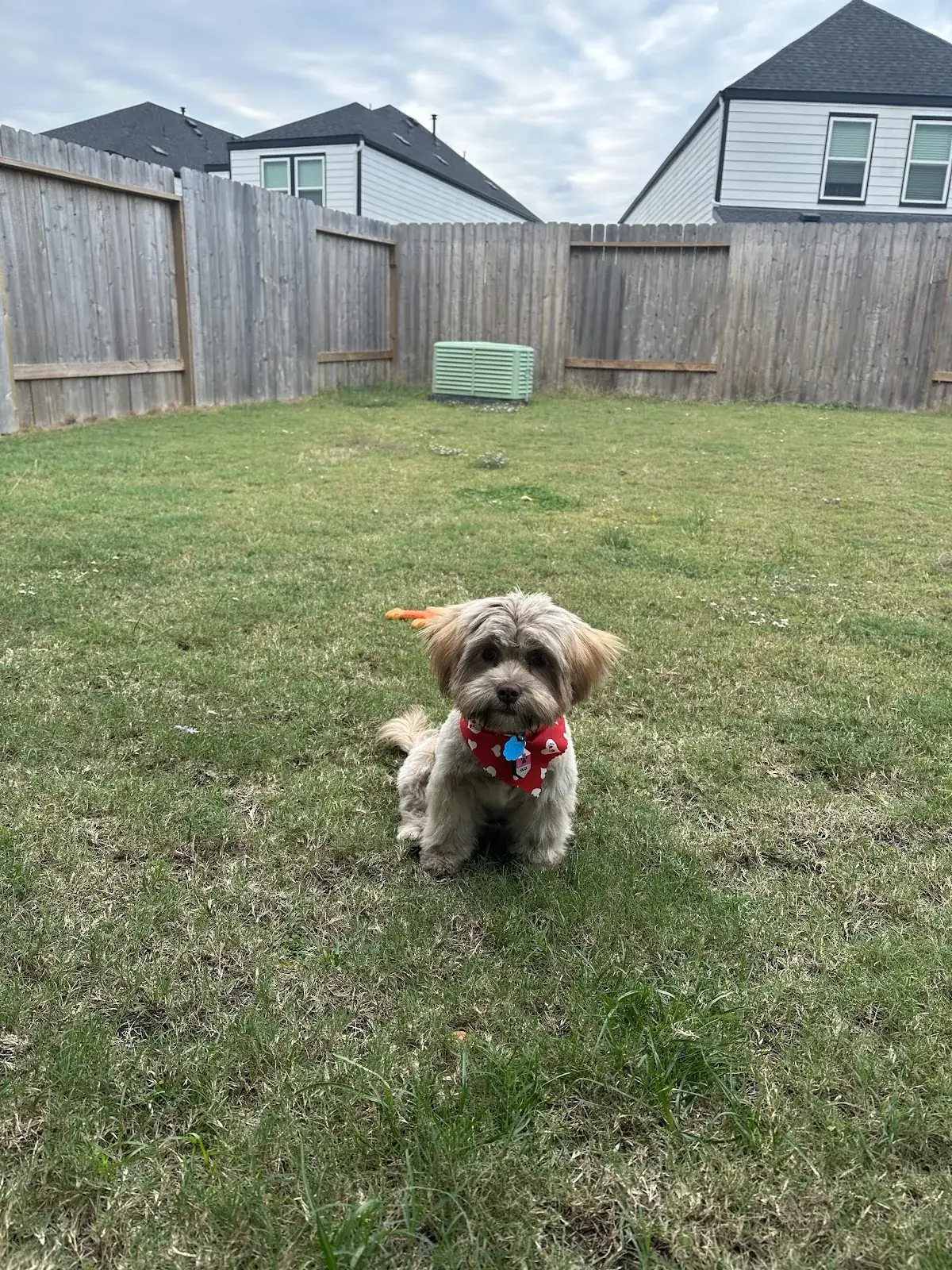
Toads
Gulf Coast toads are common and cane toads are spreading; a dog that mouths one can be poisoned.
Toads come out after rain and at night around porch lights and pools. The native Gulf Coast toad causes drooling and mouth irritation; the invasive cane toad, established along the Texas coast and moving, can kill a dog that bites it. Signs are heavy drooling, red gums, pawing at the mouth, and in bad cases seizures. Rinse the mouth with water flowing out, not down the throat, and get to a vet.
Prevention is a leave-it that works and a dog that does not roam the yard unsupervised at night. The ASPCA Animal Poison Control number belongs in every Houston owner's phone.
Check the yard and pool deck after rain and after dark.
Teach a leave-it that works on the ground.
If a dog mouths a toad: rinse the mouth with water flowing outward.
Call poison control or the emergency vet immediately.
Save the poison control number now.
Snakes
Copperheads and cottonmouths live in brush, woodpiles and near water, and most bites are on the muzzle of a curious dog.
Copperheads are the common venomous snake in Houston yards and trails; cottonmouths live near bayous, creeks and retention ponds. Both bite when a dog pushes its face into them, which is what an off-leash dog does in brush. Texas Parks and Wildlife's species pages show what each looks like and where it lives. Keep woodpiles and brush cleared, walk on the path, and treat any snake as a reason to move on.
A snake bite is a vet emergency. Swelling, pain and a puncture on the face or leg mean the dog goes to the emergency clinic now, calmly, with the leash on.
Water
Bayous, creeks and retention lakes have alligators, currents and bacteria; the dog goes in only where you can see the bank.
Alligators are native across the Houston region and are reported in bayous, creeks and neighborhood lakes, including in the suburbs. A dog that splashes at the edge of murky water in the evening is the classic risk. Keep the dog leashed near water where you cannot see the bank, do not let it drink from standing water, and give any alligator a wide berth. After heavy rain, floodwater carries bacteria and debris as well.
Water work in our program happens on a long line at known lakes with clear edges, which is how a dog learns to enjoy water and come out of it on the first call.
- Alligators in bayous and lakes, including suburbs
- Leash near water with hidden banks
- No drinking from standing water
- Long-line water work at known lakes
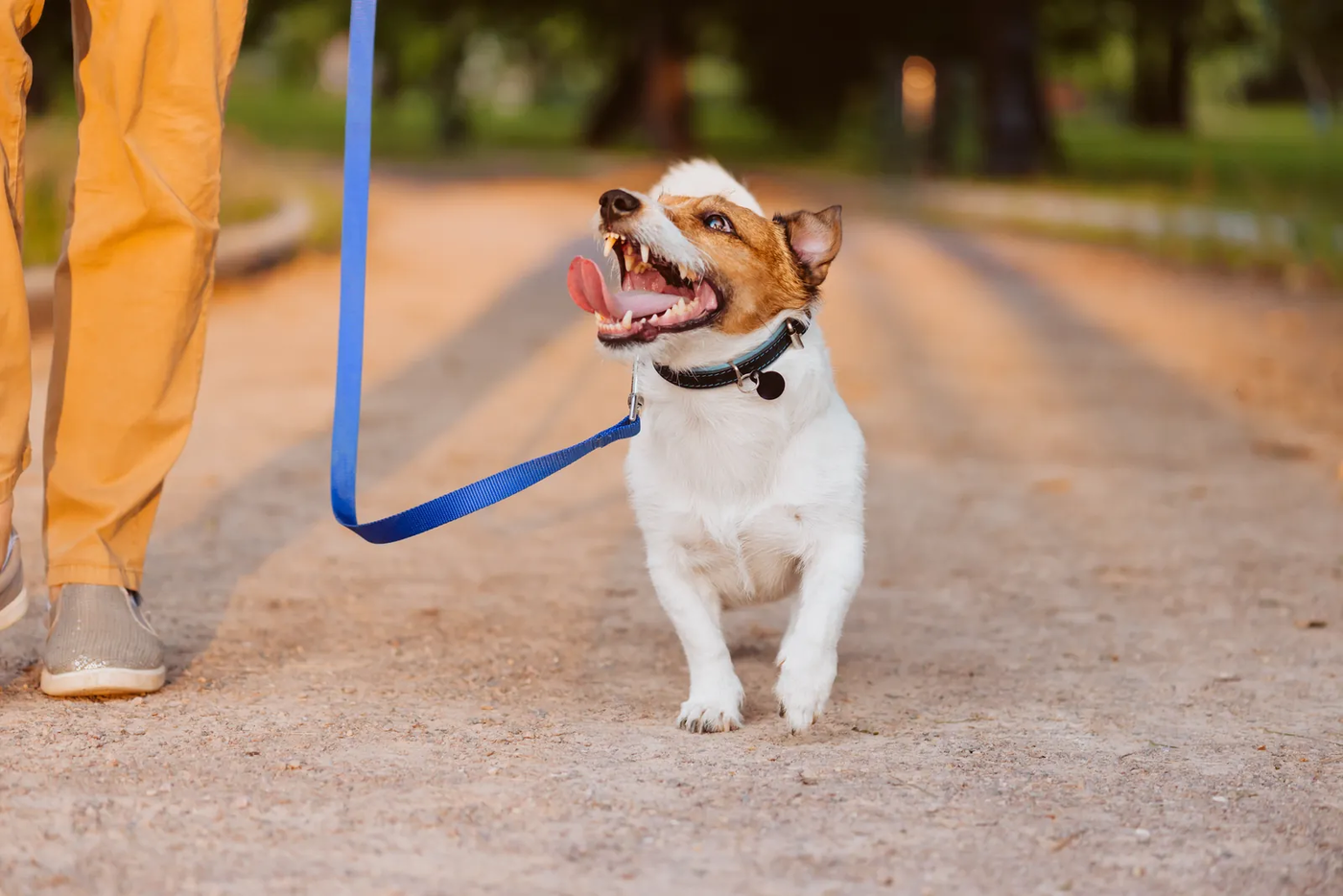
Mosquitoes and heartworm
Heartworm season in Houston is twelve months long, and prevention is the only plan.
Mosquitoes fly year-round on the Gulf Coast, and heartworm, carried by them, is common in Houston dogs. The American Heartworm Society recommends year-round prevention and annual testing, and every Houston vet will say the same. Training does not change the mosquito, but it does change how much time a dog spends standing in wet grass at dusk: a structured walk keeps moving, and a dog on place is not lying by the pond.
Fleas and ticks follow the same calendar. Prevention, a check after every trail, and a trainer who keeps sessions moving cover it.
The programs
The skills that prevent most hazards.
A structured heel, a leave-it and a recall keep a dog out of the ants, the toads and the water.


Asked and answered
Questions people ask about this.
What do I do if my dog gets stung by fire ants?
Get the dog off the mound, brush the ants off with a gloved hand or cloth, rinse the area, and watch for swelling, hives or breathing changes, which mean a vet visit. Most stings are painful but minor; allergic dogs can react seriously. Prevention is a heel that walks around mounds.
Are toads in Houston poisonous to dogs?
The native Gulf Coast toad causes drooling and mouth irritation; the invasive cane toad, spreading along the Texas coast, can kill a dog that mouths it. Rinse the mouth with water flowing outward and call poison control or an emergency vet immediately.
What snakes should I worry about with my dog in Houston?
Copperheads in yards, brush and trails, and cottonmouths near bayous, creeks and ponds. Both bite a dog that pushes its face into cover. Keep the dog on the path and on a leash in brush, and treat any bite as an emergency.
Are there alligators in Houston neighborhood lakes?
Alligators are native to the region and are reported in bayous, creeks and retention lakes across the Houston area, including suburbs. Keep dogs leashed near water with hidden banks, out of murky water, and away from any alligator.
Does my dog need heartworm prevention year-round in Houston?
Yes. Mosquitoes are active all year on the Gulf Coast and heartworm is common in Houston dogs. The American Heartworm Society recommends year-round prevention and annual testing; your vet will set it up.
Keep reading
Free consultation · 10% off this fall
A trained dog stays out of trouble.
Ask our team how a heel, a leave-it and a recall get built for your dog. The free phone consultation is a direct call.