
Herding nips
Herding-breed nipping training in Houston: heelers, aussies and kids' ankles
The blue heeler in Tomball has started nipping the kids' ankles at the pool, and the aussie in Cinco Ranch circles every child who runs. Neither dog is mean; both are working, and the fix is to give them something better to work on.
Last reviewed September 29, 2026 · by the Best Dog University Team
What it is
A working dog herding the wrong flock, and it is not aggression.
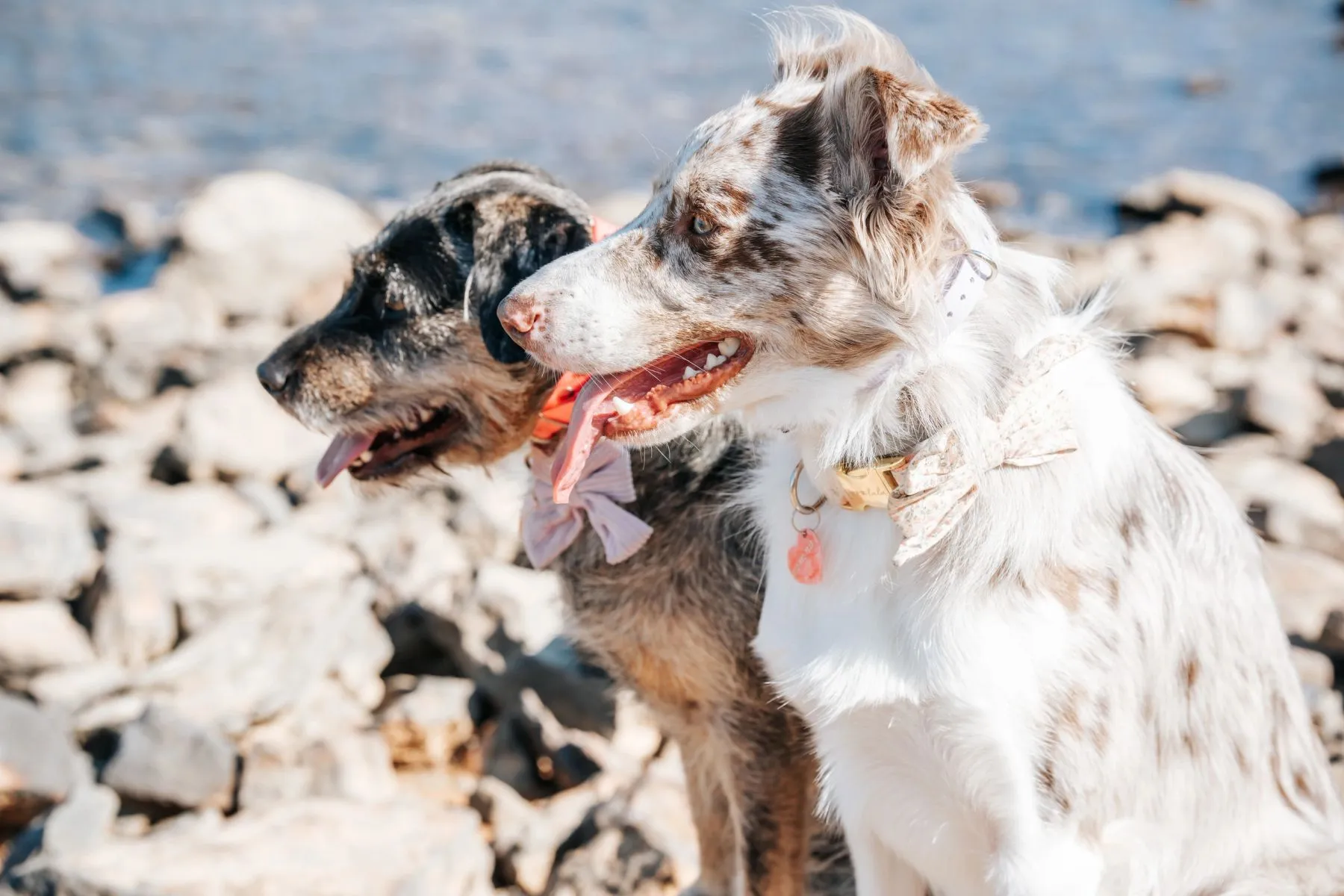
Herding nips are quick, low and aimed at moving feet: a heel nip as a child runs past, a grab at a trailing sleeve, a circle-and-bump when the kids scatter in the yard, a lunge at the bike tire. The dog is usually crouched, intense and silent, eyes locked on the motion, and it stops the moment the motion stops. Heelers do it hardest, corgis and aussies do it most, border collies do it with the stare first.
It is not aggression: there is no growl, no guarding, no intent to harm, and the same dog will lick the child it just nipped. But it is not harmless either, because a heeler nip breaks skin and a child who gets herded learns to fear the dog. A dog that nips when it is startled, cornered or handled is on a different page and needs a different plan.
- Quick, low nips at ankles, heels and sleeves
- Circling and bumping running children
- Crouched, silent, locked on the motion
- Stops when the motion stops
- Not aggression, but not harmless
Why it happens here
Cul-de-sacs full of kids, pool season and a herding dog with no job.
Houston's master-planned neighborhoods are built for children: cul-de-sacs in Bridgeland and Cinco Ranch with bikes and scooters going in circles until dark, pools with wet kids sprinting from May to September, and greenbelts where the whole street runs together. To a heeler that is a flock that never stops moving. Add a summer where walks shrink to dawn and dusk, and the drive that should have gone into a morning's work goes into the backyard.
The breeds arrived faster than the jobs did. Heelers and aussies come off the acreage in Tomball, Hockley and Magnolia into suburban homes, and mini aussies, corgis and aussiedoodles fill townhomes inside the loop. None of them have sheep. A working dog with no work and a house full of moving children invents a job, and the job it invents is the children.
- Cul-de-sacs, bikes and scooters going in circles
- Wet kids sprinting around the pool
- Walks shrunk by the summer heat
- Working breeds in homes with no work
How we fix it
An off switch first, then a job, then the children learn the rules too.
Structure comes first, because a herding dog without an off switch cannot be reasoned with mid-chase: a place command held while children play, a crate that is a den, a structured heel that puts the dog's brain in its handler's hands, and meals earned through work. Then a real job for the drive: a long line recall, tug with rules, fetch with a wait, and for some dogs the agility program later. Tired is not enough for these dogs; they need to have solved something.
Then the exposure: children moving at a distance while the dog holds place, closer over days, then running past, then a game of tag in the yard with the dog on a leash and then a long line, corrected calmly and paid for choosing the handler. The handover teaches the children too: no running past the dog, no squealing, and the dog goes to place when the game starts.
Place held while children play, a crate as a den
A structured heel and meals earned through work
A job for the drive: recall, tug with rules, fetch with a wait
Children moving at a distance, closer over days
Tag in the yard with the dog on a leash, then a long line
Handover: the children's rules and the dog's place
Which program
The bundle for the puppy, Gold for the adolescent, Platinum for the dog that has drawn blood.
A herding puppy under four months fits the Puppy Development Bundle, four sessions for $550 in Cypress or $750 in your home, where nipping prevention, place and recall are taught before the drive matures. An adolescent heeler or aussie of six months or more that nips at play, cannot settle and pulls on the leash fits the two-week Gold Board & Train at $2,500 for place, impulse control and a structured walk.
A dog that has drawn blood on a child, nips guests or the neighbor's kids, or chases bikes into the street fits the three-week Platinum program at $3,750: behavior modification, structured heel, field trips and unlimited private lessons afterwards, which keep the job going. VIP at $10,000 fits the acreage dog that needs off-leash reliability around livestock and a driveway, with the Mini-Educator introduced late and low. No program removes the instinct; it gives the instinct a handler.
| Dog | Program | Price |
|---|---|---|
| Herding puppy under 4 months | Puppy Development Bundle | $550 Cypress, $750 in-home |
| Adolescent that nips at play and cannot settle | Gold, 2 weeks | $2,500 |
| Has drawn blood, nips guests, chases bikes | Platinum, 3 weeks | $3,750 |
| Acreage and off-leash reliability | VIP, 6 weeks | $10,000 |
Houston specifics
Heelers off the acreage, the pool deck and the scooter on the greenbelt.
Our trainers see more heelers and aussies every year, many of them from acreage in Hockley, Waller and Magnolia where nipping a calf was the job, now living in a Cypress subdivision where the only calves are eight years old. The pool deck is the summer hot spot: wet children sprinting and shrieking is the most motion a herding dog will ever see, and the dog goes on place or in the house while the pool is open.
Scooters and bikes on the greenbelt trails and the Bridgeland lake paths are the other trigger, and a heeler that learns to chase one will chase a car next, so the leash rule on trails is not negotiable. The walking calendar matters too: from May to September the real work happens at dawn, and the midday session is a place command in the air conditioning.
The programs
Programs for a herding dog that nips.
The bundle before the drive matures, Gold for the adolescent, Platinum for the dog that has drawn blood or chases bikes.


Asked and answered
Questions people ask about this.
Is my heeler being aggressive when it nips my kids?
Almost never. A herding nip is quiet, aimed at moving feet and stops when the child stops; aggression comes with a growl, a stiff body and a dog that keeps going. The nip still breaks skin and still scares the child, so it is fixed with the same seriousness, just with a different plan.
Will my aussie grow out of nipping?
No. The drive matures between six months and two years and gets stronger, not weaker, and a dog that has practiced herding the kids for a year is better at it. What changes it is an off switch, a job and children who stop being sheep, and the earlier that starts the easier it is.
Can I just give my herding dog more exercise?
More running builds a fitter herder. What these dogs need is work that uses the brain: a structured heel, a recall on a long line, tug with rules, fetch with a wait, and a place command that teaches them to be still. A tired heeler with no off switch still herds the children.
What should my kids do when the dog nips?
Stop moving, stand still, arms folded, and say nothing: the motion is the reward and stillness ends it. Then a parent puts the dog on place. Children should not run past the dog, shriek near it or play chase games with it until the dog has an off switch.
Are corgis and aussiedoodles included in this?
Yes. A corgi is a heeler in a small body and does the same low nip; an aussiedoodle or a sheepadoodle carries the herding instinct under the coat. The plan is the same for every herding breed and its crosses.
Keep reading
Free consultation · 10% off this fall
Tell our team what the dog herds.
The free phone consultation is a short call about the breed, the children and whether the bundle, Gold or Platinum is the right plan for this dog. A $250 reservation deposit holds your sessions or the board and train spot.