
Breed training guides
How to train a Yorkshire terrier: small dog, big attitude, real obedience
A Yorkie that has never been asked for real obedience usually runs the house by its second birthday. Our trainers hold small terriers to big-dog standards, and the dogs tend to relax once somebody else is making the decisions.
Last reviewed September 29, 2026 · by the Best Dog University Team
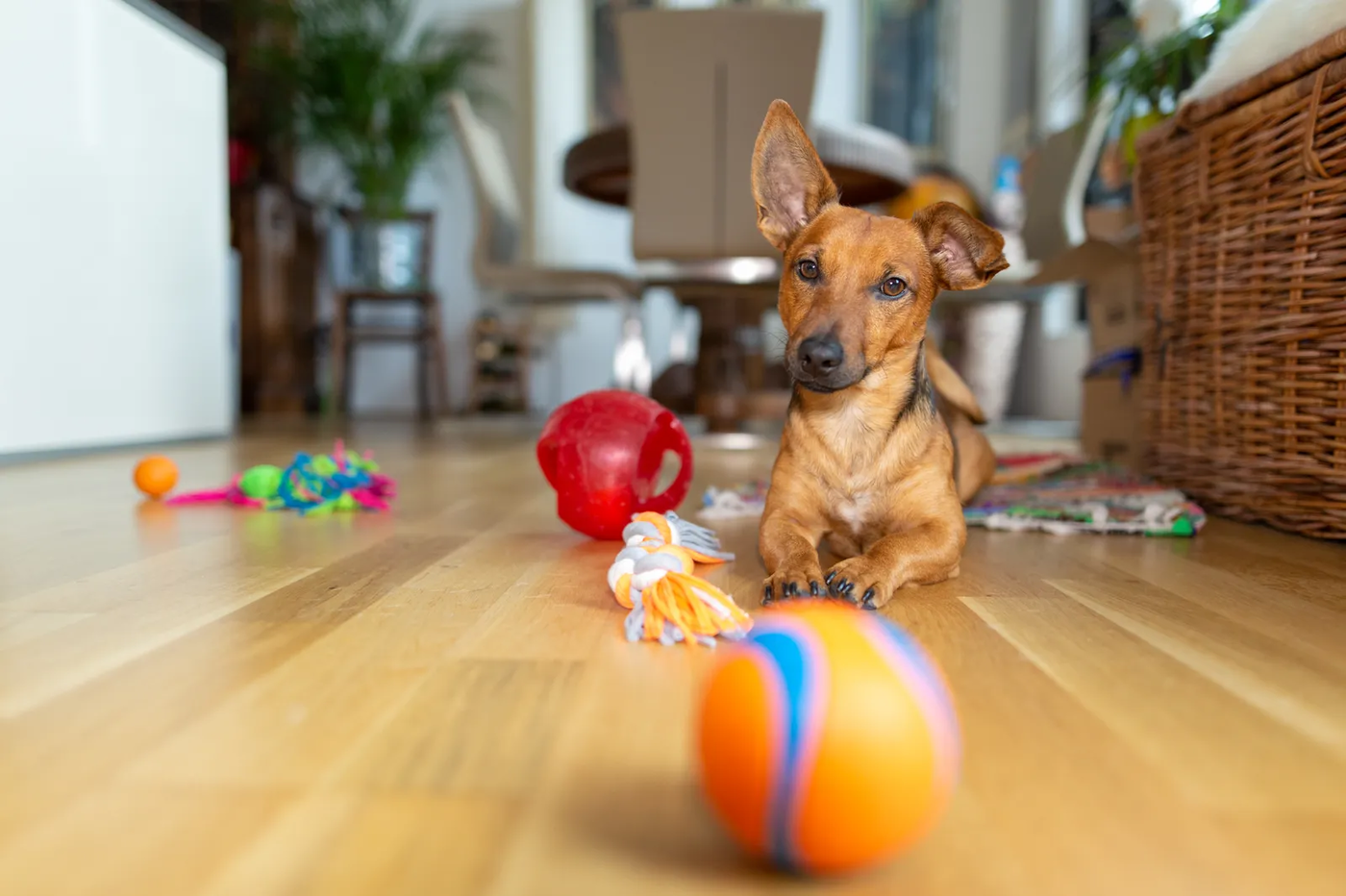
Bred to catch rats
A working terrier from northern England, now packed into a toy-sized body.
The Yorkshire terrier was developed in the 1800s in Yorkshire and the neighboring counties of northern England, where working people used small terriers to catch rats in mills and mines. Over time it was bred smaller and became a fashionable companion, but the terrier never left. It is a toy breed with a long, silky coat of hair rather than fur, and a temperament that tends to be bold, bossy, affectionate and loud.
At home that heritage looks like a dog that barks at every noise, stands up to a Great Dane on the sidewalk and chases anything that scurries. None of it is a size problem. It is a terrier making its own decisions because nobody has given it a better plan. A Yorkie with clear rules, a daily job and a family that stops carrying it through every doorway is usually calmer and more affectionate than one that is babied.
- A ratting terrier's courage and chase
- A loud alarm system that needs an off switch
- A tendency to challenge much bigger dogs
- A silky hair coat that needs daily care and handling
The first year
Real obedience, taught month by month from eight weeks.
Yorkie puppies learn quickly, and they learn the wrong lessons just as fast. A puppy that is scooped up every time it barks learns that barking gets it lifted, and one that is never asked to sit before a meal learns that it sets the terms. Give the puppy a crate, a potty schedule on a leash, and short sessions that ask for the same sit, down and wait a larger breed would learn, with food as the pay.
From six months the terrier comes forward. The dog tests which rules still apply, starts chasing lizards along the fence and may start puffing up at dogs on walks. Keep the leash on in open spaces, keep the rules the same, and add structured walks past other dogs at a distance where your Yorkie can still take food. Our trainers find that this stage is where real obedience either sticks or slips.
Eight to twelve weeks: crate, leash potty trips, name games, a few seconds of brushing and paw handling
Three to four months: sit, down and wait for meals, a place bed, the first sidewalk walks on foot
Four to six months: a quiet cue, loose leash walking, a long-line recall, store trips
Six to nine months: calm walks past dogs at a distance, leave-it for lizards and squirrels
Nine to twelve months: place during visitors, longer recalls in fenced spaces, freedom earned slowly
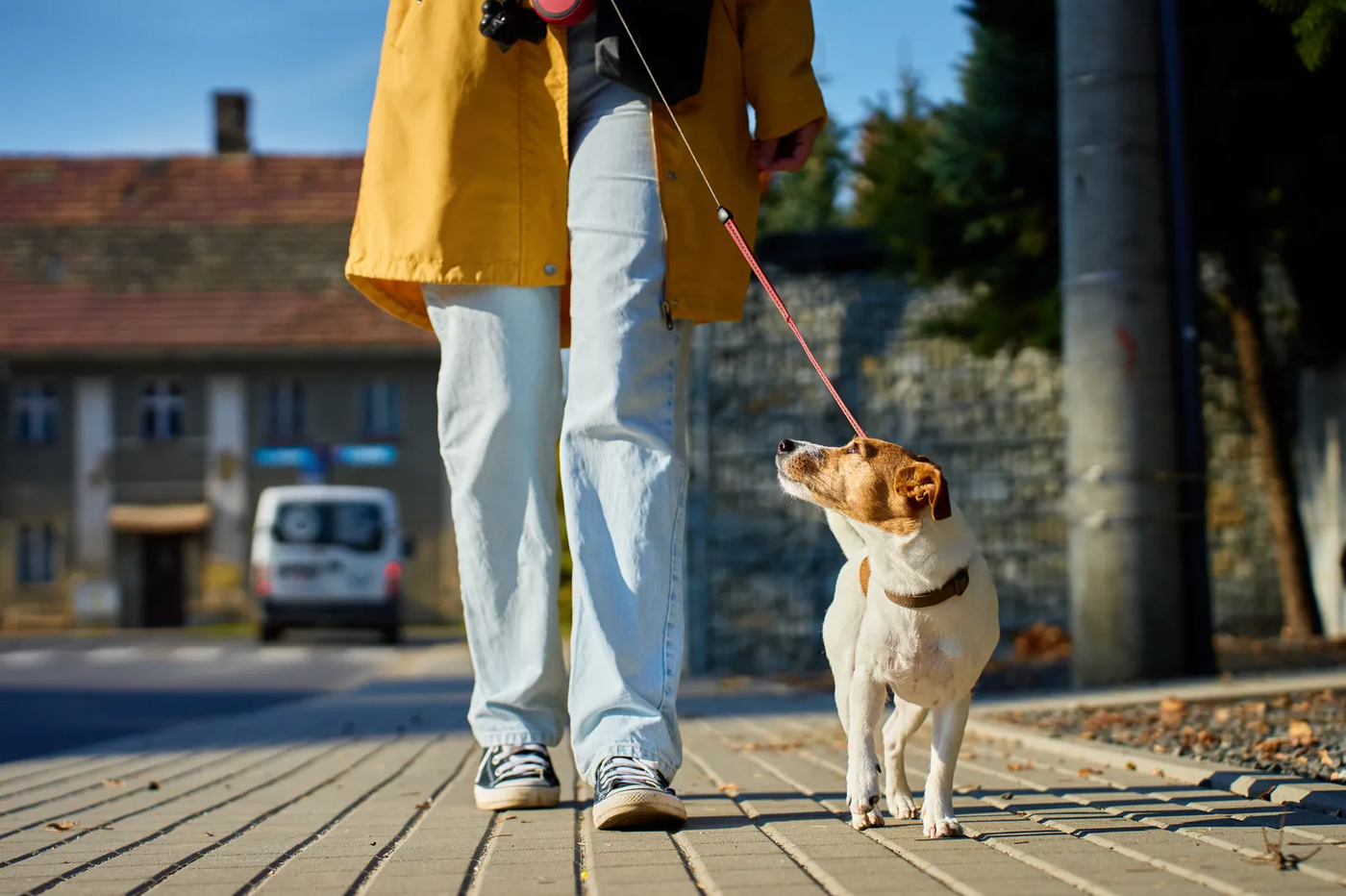
What we see
Barking, big-dog bravado and the chase: our three Yorkie calls.
Barking comes first. Yorkies bark at doors, windows, footsteps and other dogs, often with the family laughing along. Block the view from the front window, teach a quiet cue by paying the first seconds of silence, and put the dog on place when the doorbell rings. Stop picking the dog up mid-bark, since lifting it usually rewards the noise and raises it to a better vantage point.
Big-dog bravado is second, and it is the dangerous one, because a Yorkie that lunges at a large dog can get hurt. Walk past dogs at a distance where your terrier can still eat, pay calm looks, and close the gap over weeks. The chase is third. A leave-it built with food, a long-line recall and supervision at dusk keep the ratting instinct from dragging your dog under a fence or into a street.
- Place at the door and a paid quiet cue
- No lifting a dog mid-bark
- Distance and food for dogs on the walk
- A long line and leave-it for lizards and squirrels
Houston life
Heat, dusk wildlife and small-dog life in Houston neighborhoods.
The Yorkie's coat has no thick undercoat, but a toy dog on Houston concrete still heats up fast. From May to September walk at sunrise and after dark, check the pavement with your hand, and move practice into store aisles or a hallway during the day. Many families keep the coat trimmed short for summer, which also makes daily brushing easier to fit into a busy week.
Coyotes live along many Houston greenbelts, bayous and retention ponds, and a small dog in an open yard at dusk is at risk. Keep a Yorkie on leash on greenbelt trails and go out with it after dark. In Montrose and the Heights, patios and sidewalks are crowded with larger dogs, so the calm pass-by matters daily. In Cypress and Katy subdivisions, fence gaps and pool gates deserve a check before the terrier finds them.
Getting help
When the barking or the lunging takes over the walk.
Call when barking drives neighbor complaints, when your Yorkie lunges at every large dog, or when handling for grooming ends in snapping. Private lessons at $160 in Cypress or $220 in your home suit families who need coaching on the quiet cue and the walk. Puppies under four months fit the Puppy Development Bundle, four sessions at $550 in Cypress or $750 in your home.
Gold, two weeks at $2,500 in our trainer's home, builds place, door boundaries, a loose leash and impulse control, followed by a go-home session. A Yorkie that reacts hard to dogs or people fits Platinum at $3,750, which adds behavior modification, field trips and unlimited private lessons. The Yorkshire terrier training page explains the options, and a free phone consultation with our team helps you choose.
The programs
Programs that suit a Yorkie.
Private lessons for coaching, Gold for full manners, Platinum for a Yorkie that lunges at dogs or people.


Asked and answered
Questions people ask about this.
Are Yorkshire terriers easy to train?
They learn quickly and test often. A Yorkie picks up sit and place in days, then checks whether the rule still applies tomorrow. Short daily sessions, consistent rules and food rewards make them very trainable. The families who struggle are usually the ones who never asked for real obedience because the dog was small.
How do I stop my Yorkie from barking at other dogs?
Increase the distance until your Yorkie can take food, then pay calm looks at the other dog and walk on. Close the distance over weeks. Stop picking the dog up during the barking. If your Yorkie lunges even at a distance or has snapped, a trainer should guide the plan.
Should I carry my Yorkie on walks?
Only when the ground is too hot, the crowd is too thick or a loose dog is approaching. A Yorkie that walks on its own learns leash manners, calm pass-bys and confidence. One that is always carried often becomes louder and more reactive in arms, where it feels tall and protected.
Can a Yorkie be house trained?
Yes. Toy breeds need more frequent trips and closer supervision, but the method is the same: a leash to the same spot on a schedule, pay the dog outdoors, a crate or pen when you cannot watch, and an enzyme cleaner for accidents. Many families add a covered spot for rainy Houston days.
Keep reading
Free consultation · 10% off this fall
Give the terrier a job.
Tell our team what your Yorkie barks at and how the walk goes. The free phone consultation is a direct call with no obligation.