
Breed training guides
How to train a Cocker spaniel: sensitive, busy and prone to guarding
Most cockers our trainers meet are cheerful dogs with one or two sharp edges: a growl over a stolen sock, a snap when the groomer lifts a paw, or a puddle when someone scolds them. Each edge has a method, and each is easier at twelve weeks than at two years.
Last reviewed September 29, 2026 · by the Best Dog University Team
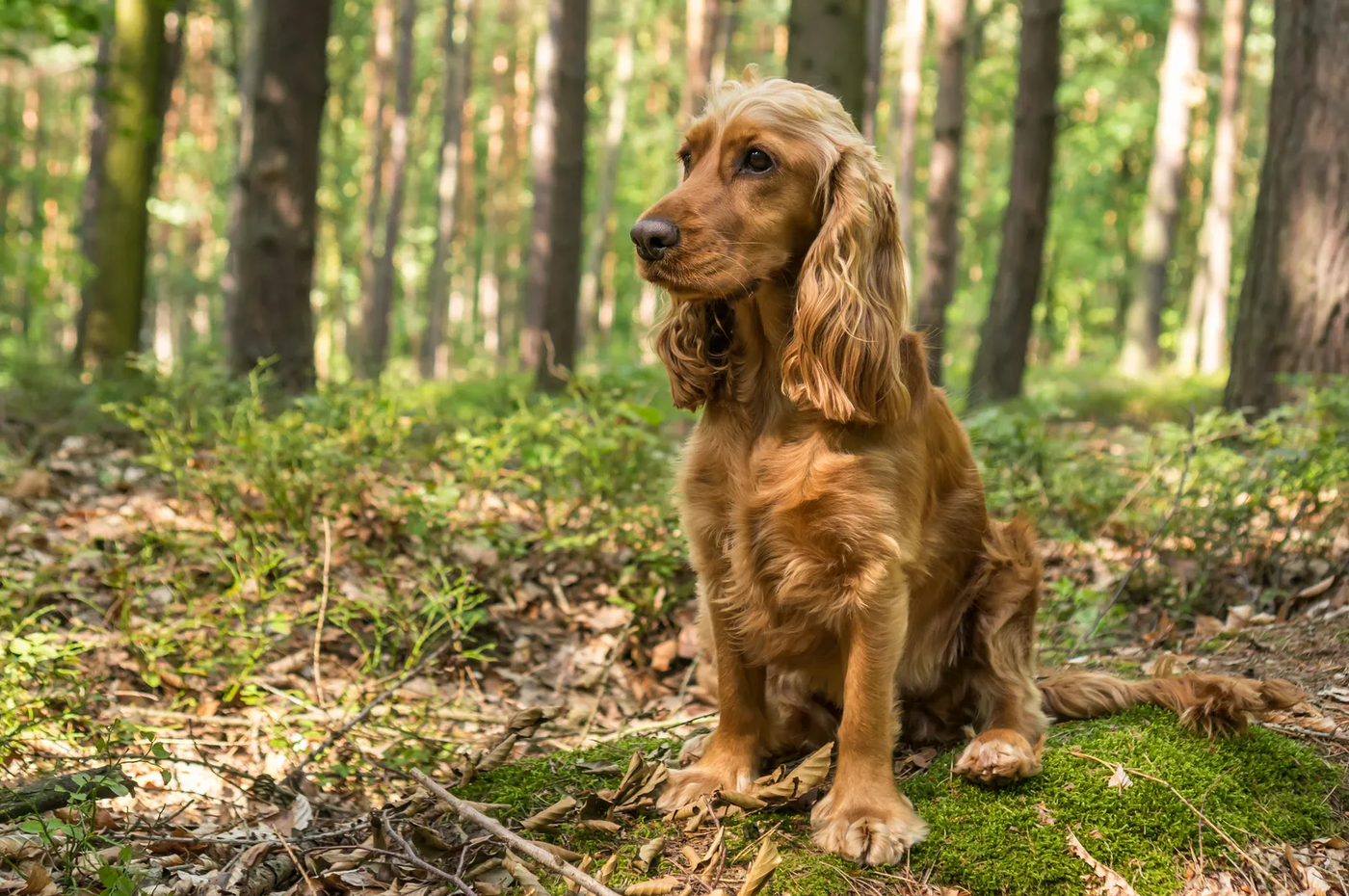
The bird dog inside
A flushing spaniel shrunk to lap size, still carrying the hunter's nose and mouth.
The cocker was bred to work close in front of a hunter, flushing woodcock and other birds out of cover and then retrieving them, which is where the name comes from. It is one of the smaller sporting breeds, with a long silky coat, heavy ears and a merry, busy nature. Many cockers now live as house dogs, but the job is still inside them: a nose pointed at the ground, a mouth that likes to carry and a need to work with a person.
Two traits shape training more than any other. Cockers are sensitive, so a loud voice or a jerk on the leash can make one shut down or leak urine. And some cockers are possessive, holding onto a found treasure, a food bowl or a favorite cushion. Neither trait is a flaw in the dog. Both mean the plan should lean on rewards, trades and calm boundaries, with the leash used for guidance rather than force.
- A busy nose and mouth that need a daily job
- A soft temperament that reacts badly to harsh handling
- A tendency in some dogs to keep what they find
- A long coat and ears that make handling practice essential
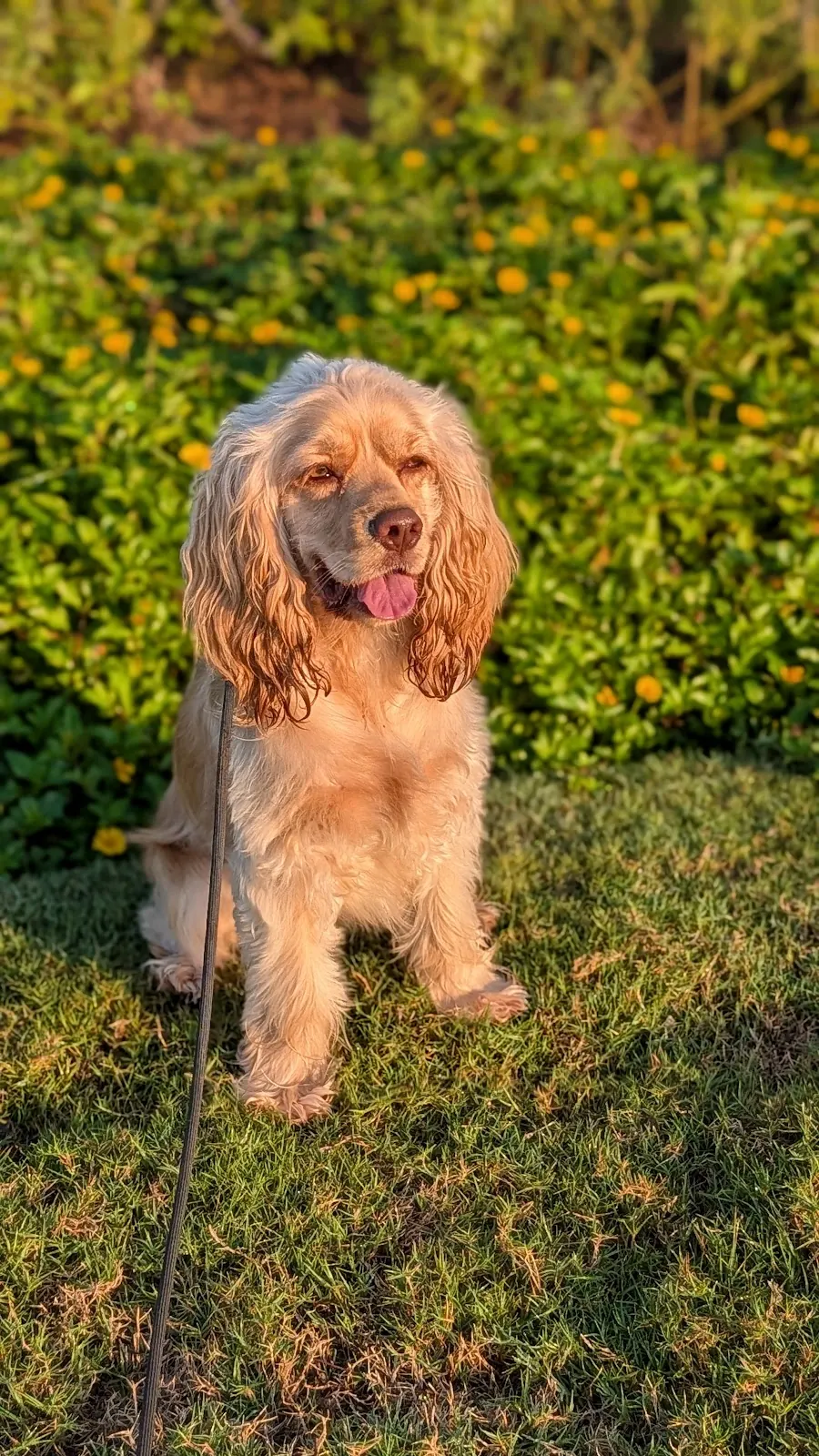
What we see
Guarding, the grooming table and the sensitive streak: our three cocker calls.
Guarding is the call that matters most. The method is prevention and trade: never chase a cocker for a stolen item, offer something better, and pay generously when it lets go. Teach a drop and a leave-it with food. At meals, walk past the bowl and toss in something tasty so an approaching hand predicts good news. A dog that already stiffens, freezes or growls over its bowl or a cushion needs a trainer, because that pattern can escalate.
The grooming table is second. A cocker needs regular brushing, bathing and ear care, and a dog that was never handled fights all three. Touch ears, paws and tail for a few seconds daily, reward each touch, and stop before the dog objects. The sensitive streak is third. Excited or worried cockers sometimes dribble urine at greetings, and punishing it makes it worse. Keep greetings low and quiet, ask guests to crouch sideways, and take the dog outside before visitors arrive.
- Trade, do not chase, for anything the dog steals
- Food tossed into the bowl as you pass, never taken away
- Daily ear and paw handling paid with food
- Quiet greetings, and no scolding for excitement urination
The first year
A cocker's first twelve months, planned around trades and the brush.
A cocker puppy is quick to learn sit, down and come, so the early weeks are really about the habits that prevent guarding and handling fights. Short sessions suit the breed: five minutes of training three or four times a day beats one long lesson. Keep the crate in the bedroom, feed some meals from your hand, and let the puppy meet a brush and a towel before it ever meets a groomer.
Between six and twelve months the busy side shows. The nose leads the walk, found objects become prizes, and the puppy tests which rules still apply. That is the time to add a structured walk, a place command with duration and a longer drop, and to keep the trades going so the dog never learns that people steal. Cockers that come through this stage with the rules intact are easy, cheerful adults.
Eight to twelve weeks: the crate, hand-fed meals, a first trade, a few seconds of daily brushing
Three to four months: drop and leave-it with food, sit, down, a first place bed, calm greetings
Four to six months: leash walking on the sidewalk, a store trip, ear and paw handling on a table
Six to nine months: structured walks, longer place, a scent game in the yard for the nose
Nine to twelve months: proof the trades with high-value items, the groomer visit practiced at home first
Houston life
Coat, ears and humidity in a Houston summer.
A long-coated cocker in a Houston summer needs its outdoor work early and late, with a pavement check before each walk and indoor sessions during the afternoon. The coat holds humidity and burrs after a walk along a bayou trail, so a quick brush at the door doubles as handling practice. Keep the ears dry after baths, rain and pool time, and ask your vet about routine ear care for your dog. Store aisles along 290 in Cypress are good cool places to practice the leash.
Houston yards bring fire ants, lizards and toads, and a cocker nose finds all of them. A leave-it that works in the yard is worth more than a perfect sit in the kitchen. In HOA neighborhoods with shared lawns, pick up and keep the dog at your side past other dogs. In apartments, practice the sit-and-wait at the elevator so neighbors meet a calm dog rather than a wiggling, leaking one.
Getting help
Guarding that grows is the signal to bring in a trainer.
Call when a growl over an object repeats, when grooming requires more than one person to hold the dog, or when excitement urination has not improved by nine months. Guarding in particular is a problem to catch early. Private lessons, $160 at the Cypress training home or $220 in your home, work well for a young cocker whose family needs coaching on trades and handling. Puppies under four months fit the Puppy Development Bundle at $550 in Cypress or $750 at home.
A cocker that guards hard, snaps during handling or has bitten family members is a behavior case. Platinum, three weeks at $3,750, includes behavior modification, public exposure and unlimited private lessons, so the family learns the same handling our trainers use. Gold, two weeks at $2,500, fits a cocker that needs manners rather than modification. The cocker spaniel training page explains the choice for Houston families.
The programs
Programs that suit a cocker.
Private lessons for coaching, Gold for manners, Platinum for guarding or handling problems that need modification.


Asked and answered
Questions people ask about this.
Why does my cocker spaniel growl when I take things away?
Because taking things away teaches the dog that people steal its treasures. Switch to trading: offer a better treat, pay when the item drops, then give the item back if it is safe. Practice with low-value items daily. If the growl comes with freezing, a hard stare or a snap, stop practicing alone and call a trainer.
Are cocker spaniels hard to train?
No. Cockers learn commands quickly and enjoy working with a person. The harder parts are sharing, handling and the sensitive streak. With rewards, trades and calm boundaries most cockers become easy companions. Harsh corrections tend to make them either shut down or guard more, so the method matters more than the effort.
How do I get my cocker to tolerate grooming?
Start with seconds. Touch an ear, pay, let go. Touch a paw, pay, let go. Build to a brush stroke, then a full brush, then nail clipping, over weeks. Practice on a table or a washer top so the groomer's table feels familiar. A dog that already snaps needs a slower plan with a trainer.
Can a cocker spaniel live in a Houston apartment?
Yes, with daily exercise and a job for the nose. Walk early and late in summer, play scent games indoors in the afternoon, and practice calm elevator manners. A cocker that gets enough work and a predictable routine settles well in an apartment. One that is bored will bark, chew and hunt the couch cushions.
Keep reading
Free consultation · 10% off this fall
Keep the cocker cheerful.
Tell our team what your cocker guards and how grooming goes. The free phone consultation is a direct call with no obligation.