
Breed training guides
How to train a cavapoo: soft temperament, real structure
A cavapoo is gentle enough that families often skip the rules entirely. Our trainers see the result at six months: a sweet dog that nips, jumps, cries alone and drags the leash. Soft does not mean structure-free.
Last reviewed September 29, 2026 · by the Best Dog University Team
The cross, not the breed
Half companion spaniel, half poodle, and every litter a little different.
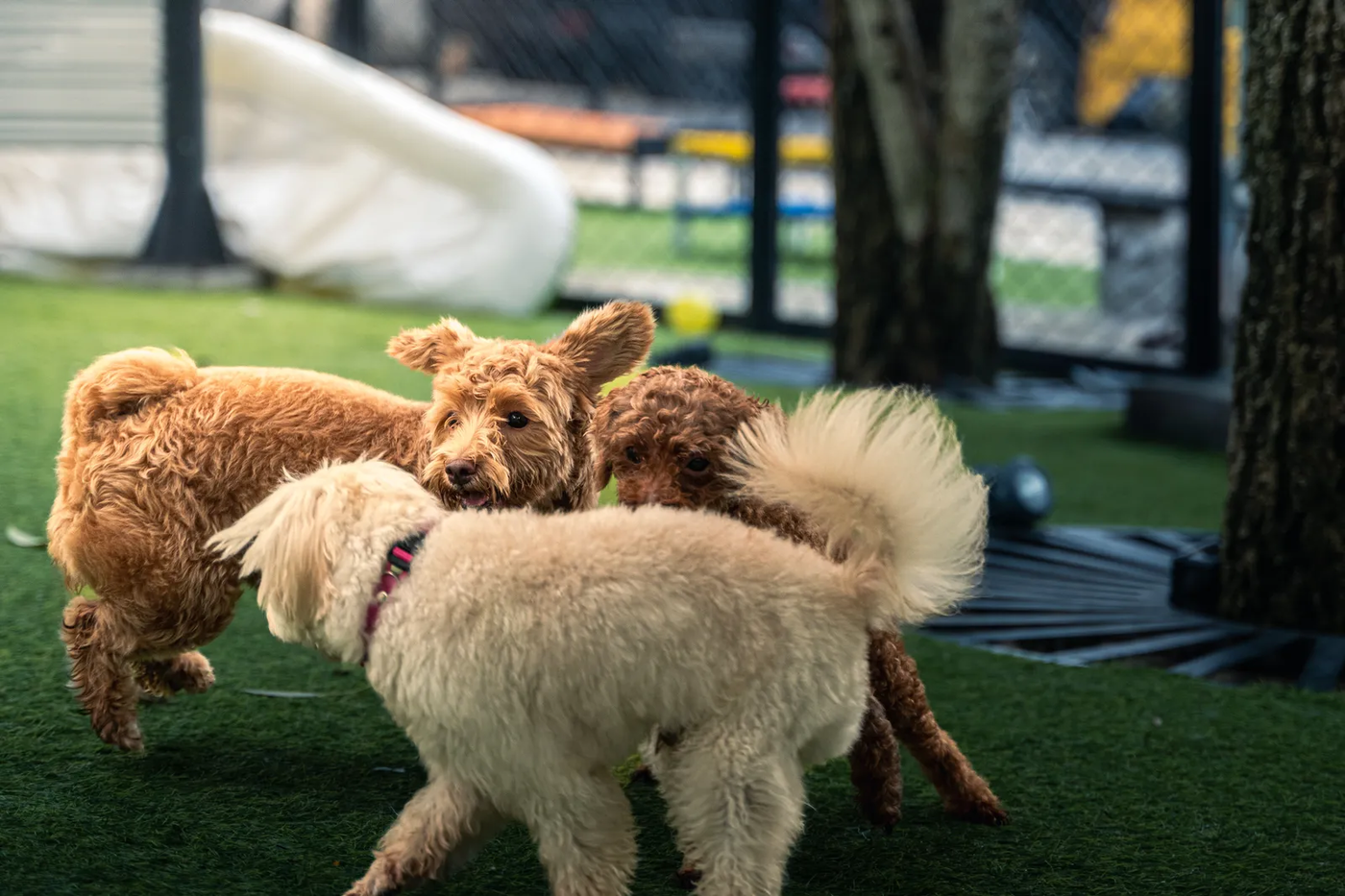
A cavapoo is a cross between a Cavalier King Charles spaniel and a poodle, usually a toy or miniature poodle. It is not a standardized breed, so size, coat and temperament vary from dog to dog and even within one litter. Coats range from wavy to tightly curled, and most need regular brushing and professional grooming. Temperament generally leans affectionate, people-focused and sensitive.
From the Cavalier side comes attachment and a soft response to pressure; from the poodle side comes a quick, observant mind that learns routines fast. Put together, you get a dog that learns quickly and feels corrections strongly. Harsh handling backfires, and no handling at all produces a dog that runs the house. The balanced middle, generous rewards and calm, fair boundaries, is where cavapoos do best.
- A soft, people-focused temperament from the Cavalier side
- A quick, observant mind from the poodle side
- Size and coat that vary widely
- A coat that makes handling practice a daily job
The first year
Structure, month by month, for a soft dog.
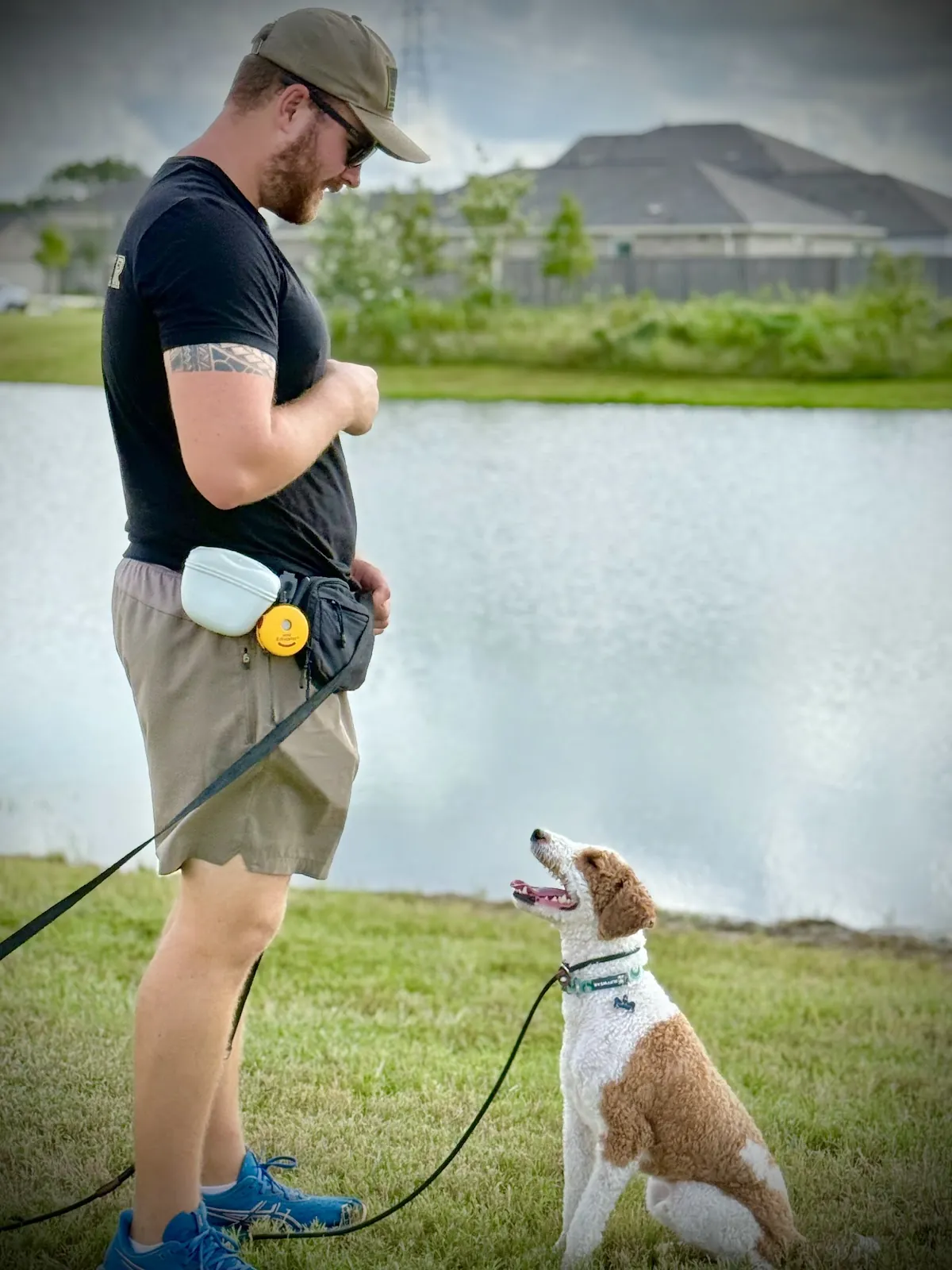
Start the rules on the first night: where the puppy sleeps, when it eats, where it relieves itself and what happens when teeth touch skin. Cavapoo puppies nip like any puppy, and a family that giggles through it in week one struggles in week eight. Redirect to a toy, end play when teeth land, and enforce naps. Teach sit, down, place and a name response with food in short sessions.
Adolescence in a cavapoo is often mild in energy and loud in feelings. Around six to ten months the dog may start crying when left, following you everywhere or refusing to walk past a new object. Keep the structure steady, shorten absences if needed, and keep exposing the dog to new places calmly. Most cavapoos with consistent rules become easy, adaptable adults.
Eight to twelve weeks: crate, potty schedule, toy redirection for nipping, enforced naps
Three to four months: sit, down, place, planned alone time, brush and comb daily
Four to six months: loose leash on the sidewalk, calm greetings, store trips
Six to ten months: the feelings stage, steady rules, shorter absences if needed
Ten to twelve months: longer alone time, polite greetings, house freedom earned
What we see
Nipping and jumping, trouble alone and a leash that pulls or plants.
Nipping and jumping come first, and both come from a family that never said no. For nipping, redirect to a toy and end the game the moment teeth land on skin. For jumping, make four paws on the floor the price of attention and ask guests to follow it. Consistency matters more than firmness with this cross, because a soft dog responds to a calm, predictable answer.
Trouble being alone is second, since the Cavalier attachment often comes through strongly. Teach a place bed while you move around, practice short absences in the first weeks and keep departures dull. The leash is third. Some cavapoos pull toward everyone; others plant and refuse to move. Pay the dog for being at your knee, stop when the leash tightens, and coax a planted dog forward with food rather than dragging it.
- Toy redirection and an end to play for nipping
- Four paws on the floor for every greeting
- Place and short planned absences for alone time
- Food at the knee for the puller and the planter
Houston life
New subdivisions, curly coats in humidity and summer hours.
Many cavapoos in Houston live in newer master-planned neighborhoods like Bridgeland, Elyson and Cane Island, often as a family's first dog, with small fenced yards and HOA rules. Walk the sidewalks daily rather than relying on the yard, and practice calm pass-bys with kids on bikes and other dogs. From May to September, train at dawn and after dark and move afternoon sessions into air-conditioned stores.
Curly coats mat quickly in Houston humidity and after rain or a dip in the pool, and a matted dog resists handling. Brush daily and treat it as training: short touches, paid, before the dog objects. Fire ants live in most lawns, so potty trips go on a leash to a mown patch. Plan a covered crate for July 4 and New Year fireworks, since sensitive dogs often react strongly.
Getting help
When the soft dog starts running the house.
Call when nipping continues past five months, when the dog cannot be alone for an hour, or when every walk is a tug of war. The Puppy Development Bundle, four sessions at $550 in Cypress or $750 in your home, covers nipping, jumping, crate and potty routines for puppies under four months. Gold, two weeks at $2,500, installs place, greetings, a loose leash and impulse control for an older puppy.
A cavapoo in real separation distress or one that has started snapping fits Platinum, three weeks at $3,750, which adds behavior modification and unlimited private lessons. Every program ends with a go-home session so the family learns the same structure. The cavapoo training page explains each option for Houston families, and the free phone consultation is where our team hears your dog's story.
The programs
Programs that suit a cavapoo.
The puppy bundle for nipping and routines, Gold for manners, Platinum for alone-time distress or snapping.


Asked and answered
Questions people ask about this.
Are cavapoos easy to train?
Usually, yes. They are eager, quick and food-motivated. The challenge is that families rarely set rules for a dog this gentle, so nipping, jumping and crying alone become habits. Consistent structure from the first day, delivered calmly, makes most cavapoos easy companions by their first birthday.
How do I stop my cavapoo puppy from biting?
Redirect to a toy every time teeth touch skin, and end the game if it happens again. Enforce naps, since overtired puppies bite more. Keep chews available. Most cavapoos grow out of nipping by five or six months when the family is consistent, and keep doing it when biting still gets play.
Do cavapoos get separation anxiety?
Many are prone to distress when alone, because the Cavalier side is so attached. Prevent it with a crate, a place bed and planned absences from the first week. Keep departures dull. A cavapoo that panics, drools or tries to escape needs a structured plan and a conversation with your vet.
Why does my cavapoo stop and refuse to walk?
Usually because something new worries it or the leash has become unpleasant. Stop pulling. Wait, then coax the dog forward with food at your knee and pay each step. Practice in quiet places first. A cavapoo that plants on hot Houston pavement may simply be telling you the ground is too hot.
Keep reading
Free consultation · 10% off this fall
Soft dog, clear rules.
Tell our team what your cavapoo does when you leave and on the leash. The free phone consultation is a direct call with no obligation.