
Medication and conditions
Can a dog with medical needs do board and train?
The dogs that most need structure are sometimes the ones with a file at the vet: the allergic doodle, the senior Lab with stiff hips, the rescue on heartworm treatment. A condition rarely rules out training. It changes the pace, the surfaces and the conversation before drop-off.
Last reviewed September 29, 2026 · by the Best Dog University Team
The short answer
Medication and a diet are routine; a condition that limits activity reshapes the plan; skilled nursing is a conversation first.
Pills with a meal, ear drops, an allergy chew, a thyroid tablet morning and evening: our trainer gives them on your schedule from the written instructions you send, and the Monday, Wednesday and Friday updates tell you how the dog is doing. A prescription or home-cooked diet is fine too, portioned by the day with the vet's notes in the bag, because we never switch a dog's food mid-stay.
A condition that limits exercise, such as sore joints, a heart murmur your vet is watching or a flat face that struggles in heat, changes the program rather than excluding the dog. Care that needs clinical skill is different. If your dog needs injections, wound management or monitoring through the night, tell our team exactly what it involves, and our team will tell you honestly on the call whether the house can provide it.
- Daily tablets and drops: routine, from written instructions
- Prescription or home-cooked diet: sent portioned, never switched
- Limited exercise: the program is reshaped
- Clinical care: confirmed with our team on the call
Four common cases
The allergic dog, the senior with joints, the flat-faced breed and the recovering rescue each get a different plan.
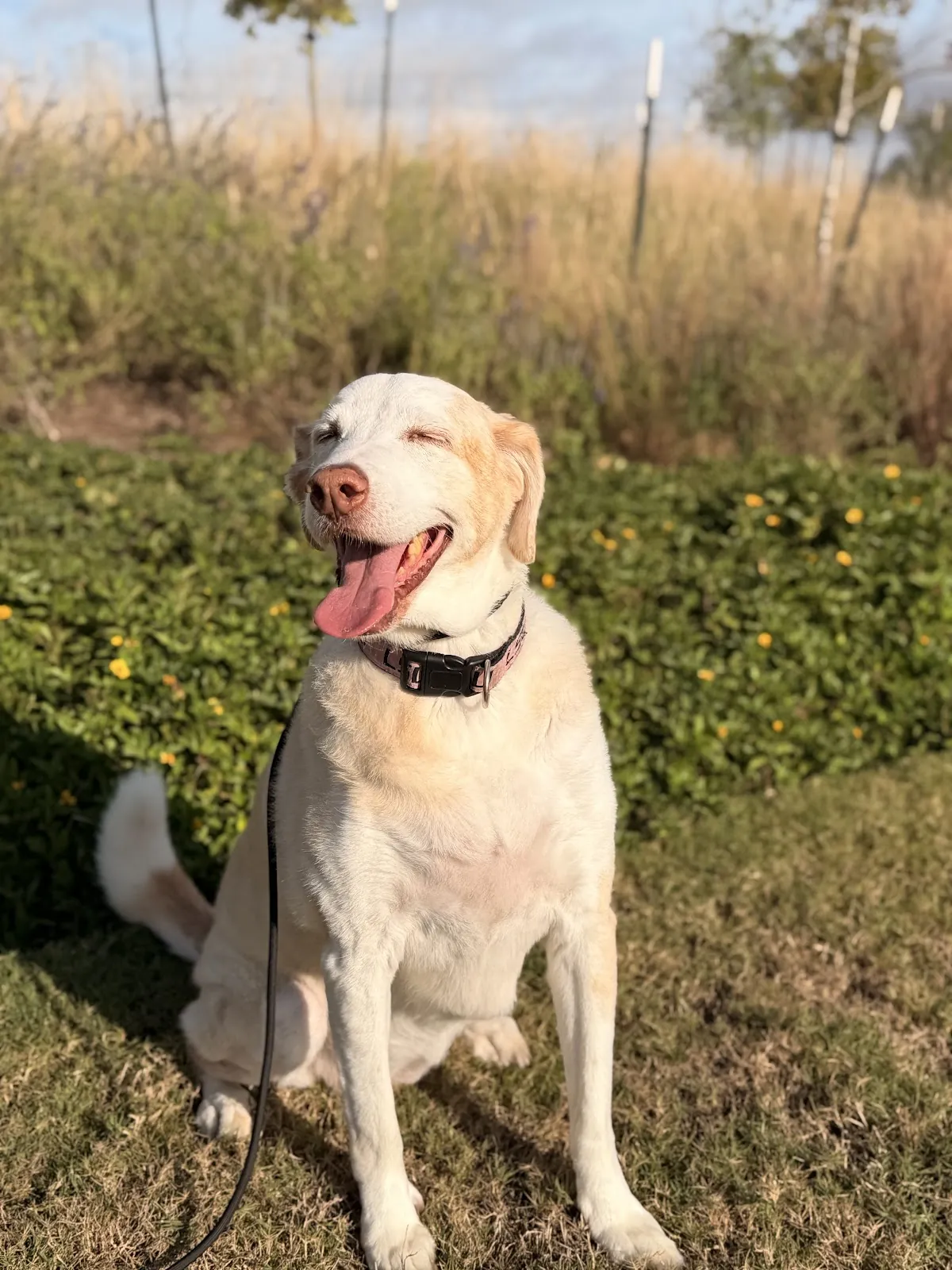
An allergic dog keeps its own food, its own chews and its own medication, and our trainer notes any flare in the updates. A senior with stiff hips trains on grass and soft surfaces in shorter blocks, with more place and door work and less mileage, and a sit that hurts is changed for a stand. A bulldog, pug or French bulldog works outdoors only in the coolest hours and does most of the summer training in the air conditioning.
A rescue finishing treatment is the case to plan most carefully. Vets usually restrict activity during heartworm treatment, so a stay waits until your vet clears the dog to work. Use the waiting weeks for crate comfort and a calm place at home, which cost the dog no exertion and make the stay more productive when it comes.
Before drop-off
Your vet, your paperwork and one honest phone call do most of the work.
Pain looks like stubbornness to anyone who does not know the dog, which is why a vet check before a stay is worth it for any dog with a condition, and for every senior. Ask your vet two questions: what activity is safe, and what signs mean a call. Write both down. Our trainer works to that sheet, and at drop-off our team also takes your vet's details, an emergency contact and your consent for treatment.
Houston adds its own list. Keep heartworm, flea and tick prevention current, because mosquitoes are active nearly all year here. Mention any history of heat stress, since outdoor work from May to September already moves to early morning and evening, and a dog with a weak heart or a flat face needs even shorter windows.
Book a vet visit a few weeks before the stay
Ask what activity is safe and what signs mean a phone call
Get the medication and written dosing in one labeled bag
Portion any prescription diet by the day, with the vet's notes
Tell our team the condition on the free phone consultation
Bring records, the vet's details and an emergency contact to drop-off
During the stay
You hear from us first when anything changes, and the vet decision is made with you.
Because your dog lives in our trainer's home rather than a kennel, a change in appetite, stool, energy or gait is noticed the same day. Anything beyond a mild upset stomach means a vet visit, using your own vet where the distance allows and the nearest clinic in an emergency. How vet costs are handled is confirmed with you when you reserve, so nothing is decided in a crisis.
A flare-up pauses the training, not the stay. Rest days are part of the plan for dogs with joint or skin conditions, and the commands a dog has learned do not fade over a quiet day on the place bed. If a condition turns out to be more than the program can work around, our team talks to you about the options rather than pushing on.
- Changes noticed the same day
- You are called before anything is decided
- Your vet where possible, the nearest clinic in an emergency
- Rest days are part of the plan, not a lost day
What we do at Best Dog University
Most dogs with a condition do Gold or Platinum at an adjusted pace; some are better served by lessons at home.
Gold, two weeks at $2,500, and Platinum, three weeks at $3,750, are the programs most dogs with medical needs do, with sessions shortened and surfaces softened where the vet asks. Silver, one week at $1,500, can suit an older dog that needs a refresher and not a long stay. Every program ends with the go-home session, so you learn the routine the dog trained on.
The honest fit: for a very old dog, a dog in active treatment or a dog that is only comfortable at home, private lessons in your home at $220 are often kinder than any stay, and lessons in Cypress are $160. Our team will say so on the call. Families in The Woodlands, Katy or the Heights can also use the $250 transport service if the drive is hard on the dog.
The programs
Programs that bend around a condition.
A stay at an adjusted pace for most dogs; lessons at home for the dog that should not leave it.


Asked and answered
Questions people ask about this.
Can you give my dog insulin or other injections?
Tell our team on the free phone consultation exactly what the care involves: the drug, the timing, the monitoring and what your vet says to watch for. Care that needs clinical skill is confirmed case by case on that call, and if the house is not the right place for it, our team will tell you and suggest private lessons instead.
My dog has seizures. Can he still do board and train?
Tell our team how often they happen, what medication he takes and what your vet has told you to do during one. The decision is made on the call with that information in hand. A dog whose seizures are controlled on medication is a very different case from one whose seizures are new or frequent.
Will training make my senior dog's arthritis worse?
It should not, if the program is adjusted: grass and soft surfaces, shorter sessions, fewer sits for a dog that finds them painful, and no long walks on hot pavement. Get your vet's view on what is safe first. Many older dogs move more comfortably after a stay because they stop pulling and lunging.
Can my dog do board and train after surgery?
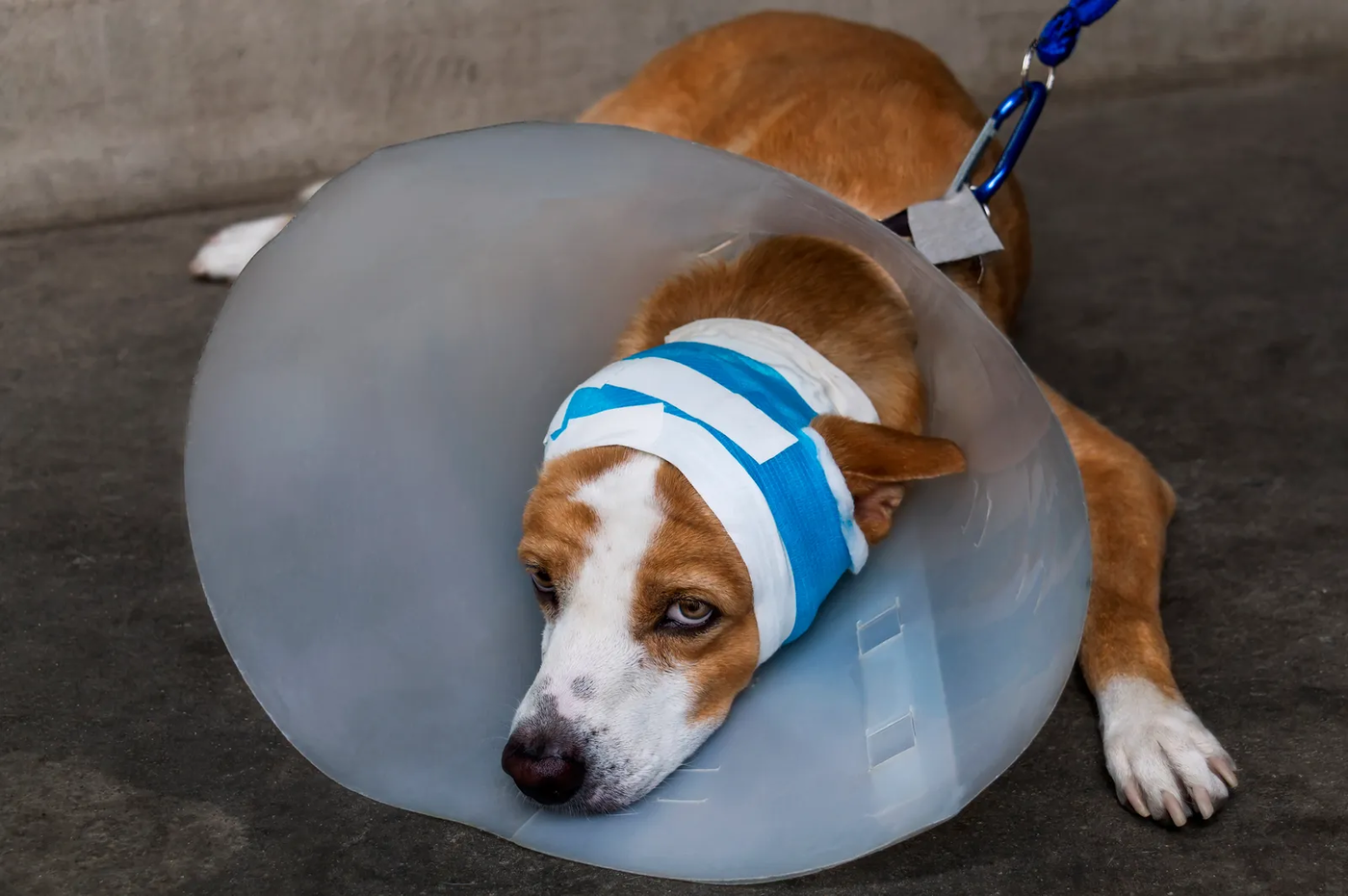
After your vet has cleared normal activity, yes: no sutures, no cone and permission to walk, climb into a car and work. Until then, keep the dog quiet and use the recovery weeks for crate comfort and a short place at home. Tell our team the surgery date so the dates are set with room.
What if my dog is on a special diet for allergies?
Send the food portioned by the day with a few spare days, plus any allergy medication and chews with written instructions. Our trainer feeds only what you send and uses part of the daily ration as the training reward. Tell our team on the call so nothing else is used as a reward.
Keep reading
Free consultation · 10% off this fall
Does your dog come with a vet file?
Tell our team about the condition and the medication on the free phone consultation. We will tell you honestly which program fits, and a $250 deposit holds the dates.