
Board and train · Health plan
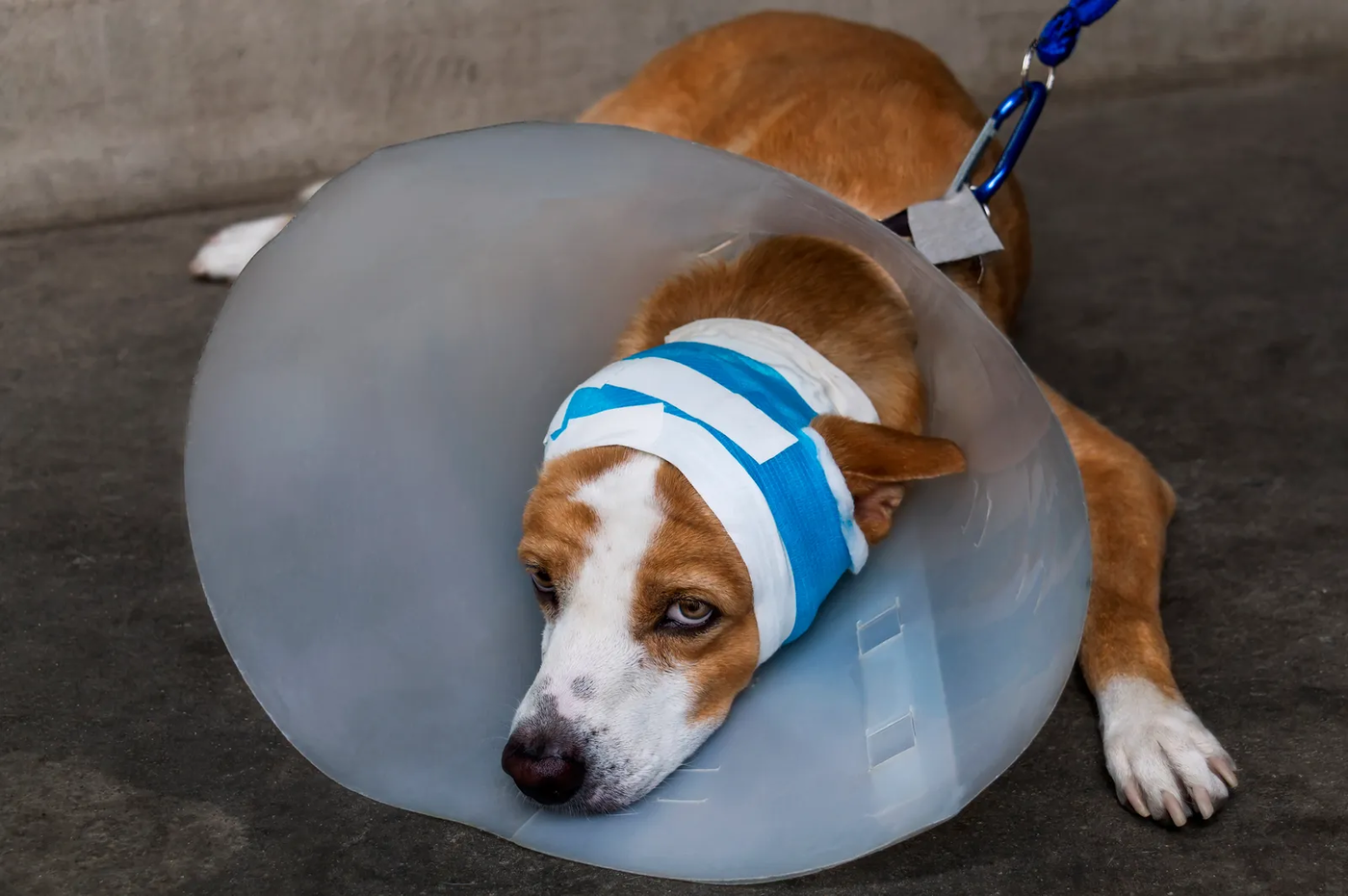
What if my dog gets sick during board and train?
Nobody books a stay planning for a sick day, so here is the plan in advance: what we watch, when we call, who treats the dog, and the Houston hazards that cause most of the calls.
Last reviewed September 11, 2026 · by the Best Dog University Team
The short version
You hear from us the same day, and the vet decision is made with you.
A dog who lives in a house is seen constantly. He is fed by hand at sessions, walked several times, crated in a bedroom and watched on place, so the first missed meal, soft stool or slow morning is noticed within hours rather than at the next kennel check. That is the main safety advantage of a home-based program, and it is why most illness during a stay is caught while it is minor.
The response is the same every time. Our trainer calls or texts you with what he is seeing. For a mild upset stomach in an otherwise bright dog, that usually means a bland day, water and a watch. For anything more, vomiting that repeats, lethargy, limping, a hot dog who will not settle, the dog goes to a vet, yours if the distance allows and the nearest clinic if it does not.
- Same-day call for any change in appetite, stool, energy or movement
- Mild upset: bland meal, water, close watching, another update
- Anything more: a vet visit, yours where possible
- Emergency: nearest clinic first, call to you on the way
The reasoning
Most stay illness is stress stomach or a Houston hazard, and both are planned for.
The most common issue is loose stool in the first few days from the change of house, which is why we insist on your dog's own food and no diet switch. The next most common are the local ones: a fire ant sting on a paw, a stomach upset from something eaten on a walk, a scrape from a fence. Heat stress is the one we treat as an emergency, and the summer schedule is built to prevent it.
Prevention starts at drop-off. Current vaccinations and heartworm, flea and tick prevention are required, with the dates written down. Medications come with instructions. Your vet's details and an out-of-town contact go in the file. If your dog has a condition, allergies or a history of pancreatitis or bloat, we want to know so the food and the sessions are planned around it.
- Own food, no switches, to prevent the day-two stomach
- Vaccines and parasite prevention current, with dates on file
- Vet, emergency contact and medical history recorded at drop-off
For your dog
Puppies, seniors and dogs on medication need a line or two more in the plan.
A puppy on his first stay at four to five months is still finishing his vaccine series, so we confirm with your vet what he has had and keep him off unknown ground until it is complete. Seniors are watched for stiffness after sessions and given shorter, softer work and joint support if you send it. Dogs on daily medication get it on your schedule, and behavior medication is given exactly as the prescribing vet wrote.
For hard cases the medical side and the training side meet. A dog whose aggression turned out to have a pain cause is a vet case first, and we say so rather than train through it. A dog who arrives with an undisclosed condition puts himself and the other dogs at risk, so the phone consultation is the place to tell us everything, including the things that seem unrelated to training.
Houston reality
Fire ants, toads, snakes, mosquitoes and heat cause most of the calls here.
Fire ant mounds are in every Cypress yard and along every trail from Josey Lake to Bill Archer Bark Park; dogs are kept off them, and a sting is treated with cool water and watching for swelling. Gulf Coast toads appear on warm wet nights, and a dog who mouths one drools and paws at his face; the mouth is rinsed and the vet is called. Snakes are rarer on suburban sidewalks but present near bayous and brush, and a bite is an emergency, straight to a clinic.
Mosquitoes carry heartworm year-round, so prevention is non-negotiable during a stay. Heat is the biggest risk from May to September, and every outdoor session is early, late or short, with the pavement tested first. Hurricane season, June 1 to November 30, adds a medical wrinkle: the records travel with the dog in an evacuation, and a copy in a zip bag with the food is the simplest way to be sure.
Notice: a missed meal, soft stool, lethargy, limping, drooling or heavy panting at rest.
Call or text you with what we see and what we plan to do.
Mild: bland meal, water, rest, and a check-in update that evening.
More than mild: to your vet if the drive is reasonable, otherwise the nearest clinic.
Emergency: nearest clinic immediately, call to you on the way, records with the dog.
Afterward: training pauses or softens on the vet's advice, and our team talks with you about the schedule.
The programs
A sick day pauses the training; the plan for the rest of the stay is made with you.
A day of bland food and rest does not change a Gold stay at $2,500 or a Platinum stay at $3,750. A longer illness does, and our team talks with you about the schedule rather than pushing a dog who is not well through sessions. Transport at $250 means a dog who needs to go home can be returned to Katy, Spring or the Heights without you driving, and the follow-up lessons in every program pick up where the stay left off.
The programs
Programs at Best Dog University, with a health plan built in.
Gold and Platinum in our trainer's home in Cypress, where a dog who is off is noticed the same day.


Asked and answered
Questions people ask about this.
Will you take my dog to my own vet?
Where the distance allows, yes; that is why we ask for your vet's details at drop-off. From Cypress, a vet in Katy or Tomball is about 25 to 35 minutes and one in central Houston 30 to 45, which is fine for a non-urgent visit. In an emergency the nearest clinic comes first and you are called on the way.
Who pays for vet care during the stay?
Our team goes over that with you when you reserve, along with the consent for treatment, so nothing is decided in a crisis. Bring it up on the free phone consultation if you have a dog with a known condition. The important thing on the day is that treatment is never delayed by the question.
What if my dog gets sick right before drop-off?
Call us. A dog with vomiting, diarrhea or a cough does not join the house until he is well, for his sake and for the other dogs'. Our team will work out new dates with you. The same applies if your dog has been around a contagious illness in the week before the stay; a short delay is better than a house full of sick dogs.
Can heat stress happen during a stay?
It can happen to any dog in Houston, which is why the summer schedule keeps outdoor work to early morning and evening, tests the pavement and stops at the first signs. If a dog ever showed heat stress, he would be cooled with water and shade and taken to a clinic without waiting to see whether it passes.
Keep reading
Free consultation · 10% off this fall
Tell our team your dog's medical history before the stay.
The free phone consultation is where conditions, medications and your vet's details go on file. A $250 deposit reserves the dates.