
Leash reactivity coaching
Virtual dog reactivity consultation: a safe plan for leash reactivity
Leash reactivity wears people down. You walk at dawn to avoid the neighbors, you cross the street mid-block, and you still get caught at the corner by a dog on a retractable leash. This session aims for walks that are safer this week and calmer over the months that follow.
- $99per session
- Phone or Zoomone-on-one
- Anywherein the US
Is it the right fit
This session fits leash reactivity without a bite history.
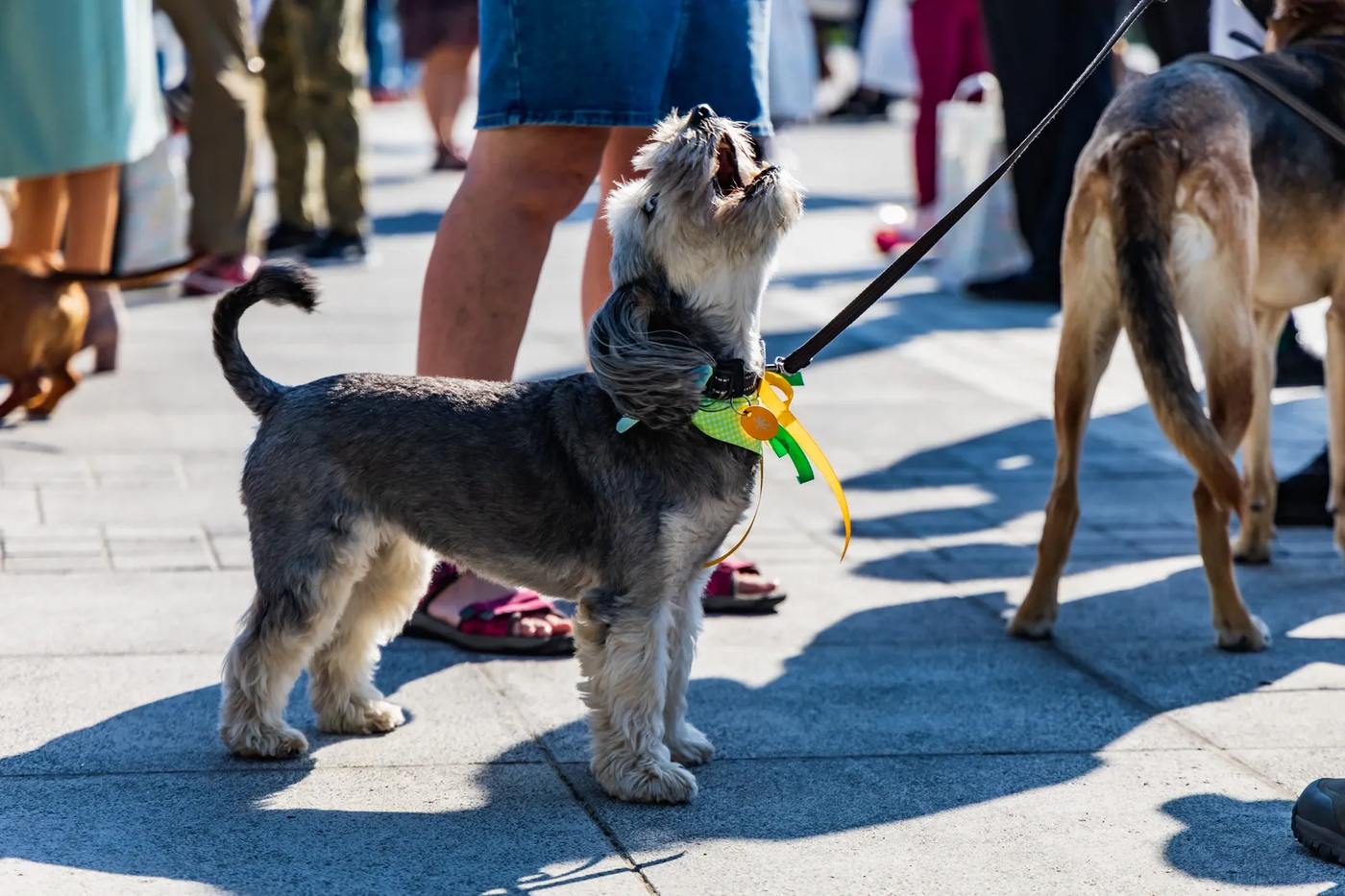
Reactivity covers a lot of ground, from a young dog who screams with frustration because he cannot greet every dog to a fearful dog who wants the trigger to go away. Both can improve, and both start with the owner learning distance, timing and management. A virtual session is a good fit when the dog is noisy and hard to walk but has not hurt anyone.
It is not the right fit if your dog has bitten a person or another dog, has broken free and gone after someone, or is too strong for you to hold. Those dogs need a professional in person, with hands on the leash.
- Barks or lunges on leash, but has never bitten
- Calms down once the trigger has passed
- Can still take food at some distance from the trigger
- You can physically hold your dog on the leash
Safety first
The first thing we build is a safety plan for tomorrow's walk.
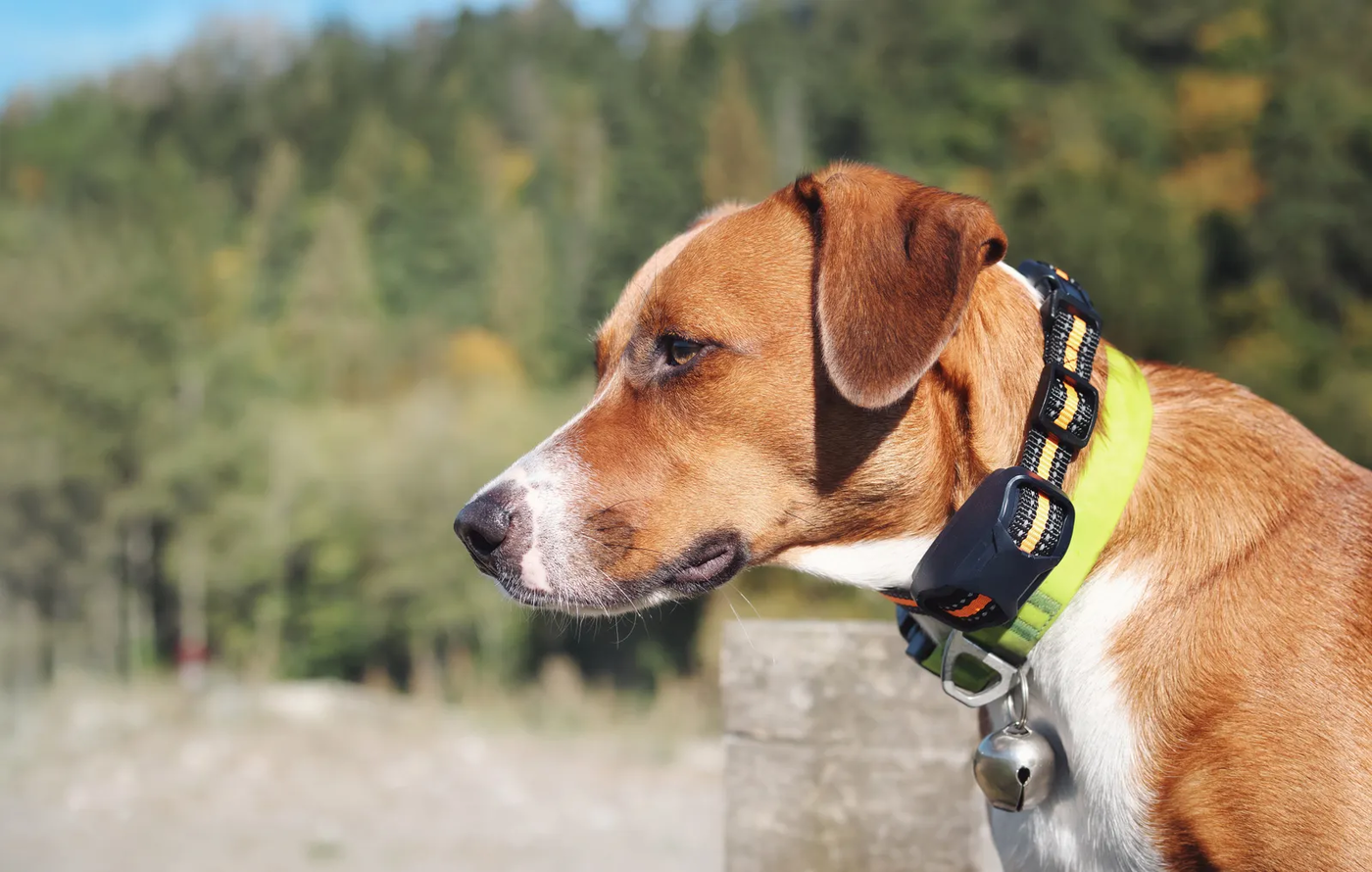
Before any training, we make walks safer. That starts with equipment: a properly fitted collar or harness your dog cannot back out of, a fixed leash instead of a retractable one, and, where there is any doubt, a basket muzzle introduced slowly with food so it becomes routine rather than a battle. Then we look at routes, times of day and where the pinch points are on your usual loop.
You also leave with an exit plan. A cheerful U-turn, a parked car to step behind, a driveway to wait in, and a clear script for what to do if an off-leash dog runs at you. Fewer surprise encounters means fewer rehearsals of the outburst, which is half the battle.
The home plan
Change starts in the living room, long before the sidewalk.
A dog cannot learn a new response while he is over threshold and screaming. So the skills come first, in quiet places, and the trigger comes later at a distance your dog can handle. This is the shape of the plan; the session tailors each step to your dog and your neighborhood.
- Build focus at home: mark and reward your dog for checking in with you, first in a quiet room, then the yard.
- Teach a U-turn cue indoors until your dog turns with you on light leash pressure without thinking about it.
- Practice loose leash walking and a structured heel on dull streets, so the skill exists before you meet a trigger.
- On a real walk, find the distance where your dog notices a trigger but can still take food and respond to you.
- Work at that distance: let your dog look, reward calm, and leave before he tips over.
- Close the distance only when your dog is relaxed at the current one, over days and weeks rather than in one walk.
Reading your dog
We teach you to spot the warning signs before the lunge.
Most owners notice reactivity at the bark. The dog decided several seconds earlier. Watch for the mouth closing, weight shifting forward onto the front feet, ears and eyes locking on, a tail rising and stiffening, or a sudden freeze mid-sniff. Any of those means create space now, while your dog can still hear you.
On Zoom we can study a clip of your walk and pause it on those moments. Owners often find that once they can see the early signal, half the outbursts disappear simply because they turn away sooner. That is a skill you carry onto every walk.
- Mouth closes and panting stops
- Weight shifts forward onto the front feet
- Eyes and ears lock onto the trigger
- Tail rises and goes stiff
- A sudden freeze in the middle of a sniff
Where virtual ends
A bite history, or a dog you cannot hold, needs in-person help.
This consultation is coaching, a safety plan, management and a home plan. It is not a substitute for a trainer on the leash with a dog who is dangerous. If the reactivity has crossed into biting, or you are not sure you could hold your dog if a cat ran past, choose an in-person professional. Houston-area families can book private lessons with our team at $160 in Cypress or $220 at home.
Reactivity that appears suddenly in an adult dog deserves a veterinary check, since pain and illness can make a dog short-tempered. When you are ready, request a $99 session on our virtual dog training page, and have a clip of a typical walk ready if you can film one safely.
The programs
Coaching first, hands-on help when it is needed.
Leash reactivity without a bite history starts with a $99 virtual session. Private lessons are for dogs that need a trainer on the leash.
$99per session
Phone or Zoom, anywhere in the US
Virtual consultation with our head trainer
One-on-one guidance for behavior, a new dog, introductions or a new puppy.
Can leash reactivity be fixed with virtual training?
Many reactive dogs improve a great deal when the owner learns distance, timing and management, and all of that can be taught by phone or Zoom. Progress is gradual and depends on practice between sessions. Dogs who have bitten, or who are too strong to hold, need in-person help, and we will tell you if yours falls into that group.
Should my reactive dog wear a muzzle?
If there is any doubt about what your dog might do at close range, a well-fitted basket muzzle is a sensible safety tool. The key is introducing it slowly with food so your dog is happy to wear it. A muzzle protects people and dogs while you train; it does not replace the training itself.
What if my dog has already bitten another dog?
Then start with an in-person professional rather than a virtual session. A trainer needs to see the dog, assess the risk and handle the leash during the early work. A virtual call can still help you think through management at home, but it should not be the main plan for a dog with a bite history.
Will I have to avoid other dogs forever?
No, though you will avoid close encounters for a while. Early on, the goal is to keep triggers at a distance your dog can handle so he practices calm instead of lunging. As he improves, that distance shrinks. Some dogs end up walking past others easily; others stay happier with a little space, and that is fine.
Is leash reactivity the same as aggression?
Not always. Plenty of reactive dogs are frustrated or fearful rather than intent on harm, and they settle once the trigger leaves. Aggression involves a real intent to hurt and often a bite history. The distinction matters for the plan, and it is one of the first things we work out with you.
Virtual session, $99
Make tomorrow's walk safer.
Book a $99 virtual reactivity consultation by phone or Zoom from anywhere in the US for a safety plan, management and a home plan you run yourself.