June
July 4 is four weeks out: the fireworks plan.
A four-week plan for a fireworks-anxious dog before the Fourth, from sound work and crate calm to the night itself, plus what to do if the dog escapes.
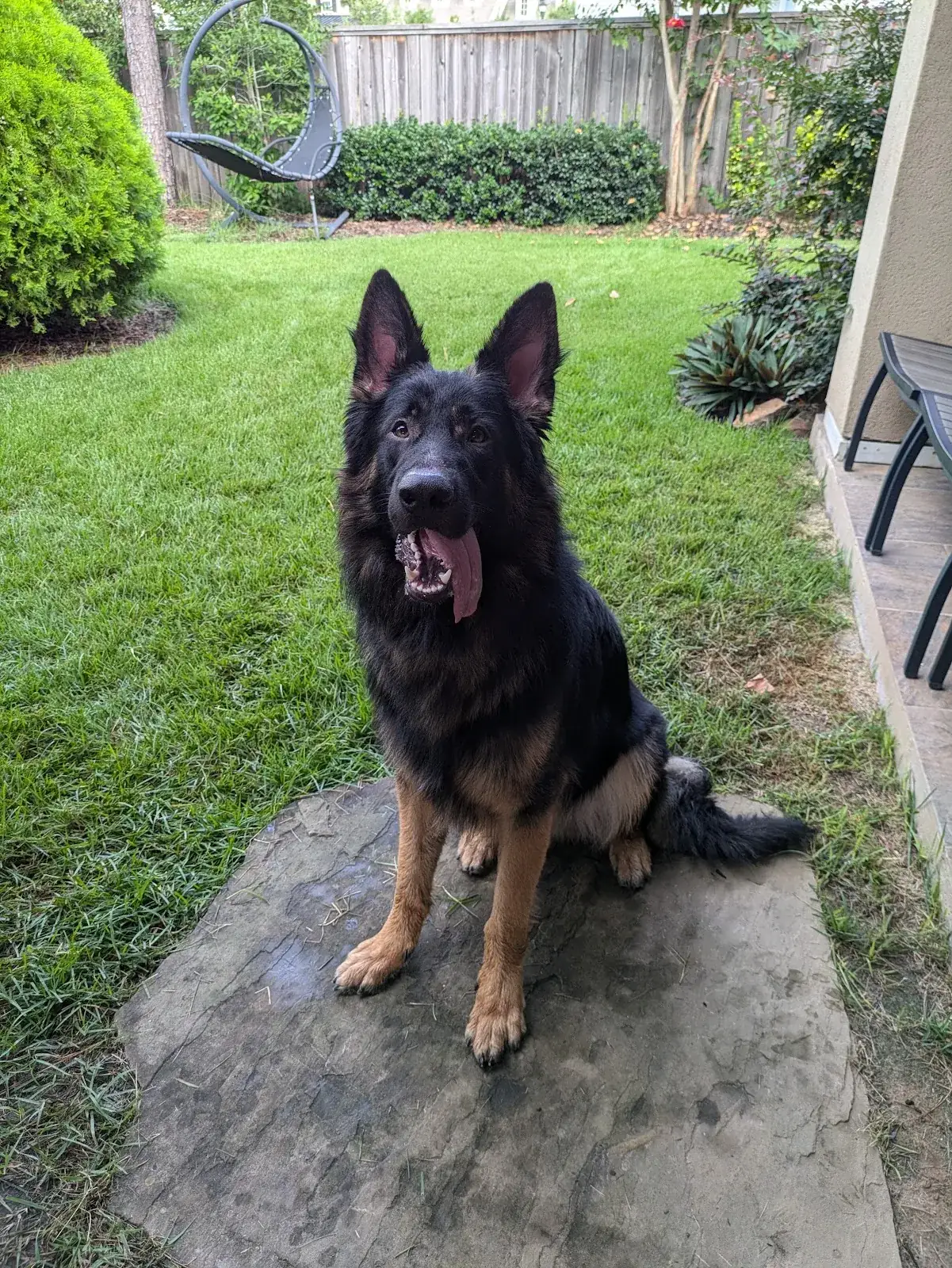
July 4 is the worst night of the year for dogs, and in the Houston suburbs it is a week of nights. Shelters fill with escaped dogs on July 5. The plan starts four weeks out, and the first three weeks are the ones that matter.
The four weeks
- Week one: crate calm in an interior room, covered, a long chew, ten minutes twice a day
- Week two: fireworks audio at low volume during meals, raised a notch a day
- Week three: place and crate with the audio loud, a fan on, you calm and boring
- Week four: check the fence, the gate latches, the tag and the chip; plan the walk for before dusk
The night
Walk early, feed early, crate before the first bang with the noise already on. Stay home if the dog is anxious. Do not take a dog to a display, and do not leave one in a yard; fences that hold every other night fail on the Fourth. If the dog does get out, the first call is BARC or Harris County Pets, and the microchip record is what gets it home. The AVMA's fireworks guidance covers the medical side, including when a vet-prescribed calming plan is worth asking about.
The week, not the night
In Cypress, Katy, Spring and The Woodlands the fireworks start the weekend before the Fourth and run every night through the weekend after. Neighborhood displays, backyard mortars and the big shows at the lakes overlap, so a noise-sensitive dog does not get one hard night, it gets eight. Plan the whole stretch: early walks before dark every evening, dinner early, the crate routine every night, and no yard time after dusk. The dog that is managed well for a week is fine by the second week of July; the dog left to cope on its own arrives at the Fourth already exhausted and frantic.
- Walk the fence and check every gate latch on July 1
- Tags on, chip record current, a photo on your phone
- Guests told the dog stays in, and a leash by the door
- A chew, a fan, the crate covered, the sound on, every night of the week
When to talk to the vet
A dog that injures itself trying to escape, that has soiled itself in fear, or that stops eating for the duration is beyond what training alone can fix in four weeks. Ask your vet in June about a short-term calming plan for the worst nights alongside the structure work; the two together are what the AVMA suggests for severe noise phobia. Then use the cool season for the longer anxiety program, so next July starts from a different place. Our anxiety page explains how that work runs in a stay and what the family practices afterwards.

Best Dog University Team
Board and train trainers in Cypress, Houston. 16+ years, 900+ dogs. About our team