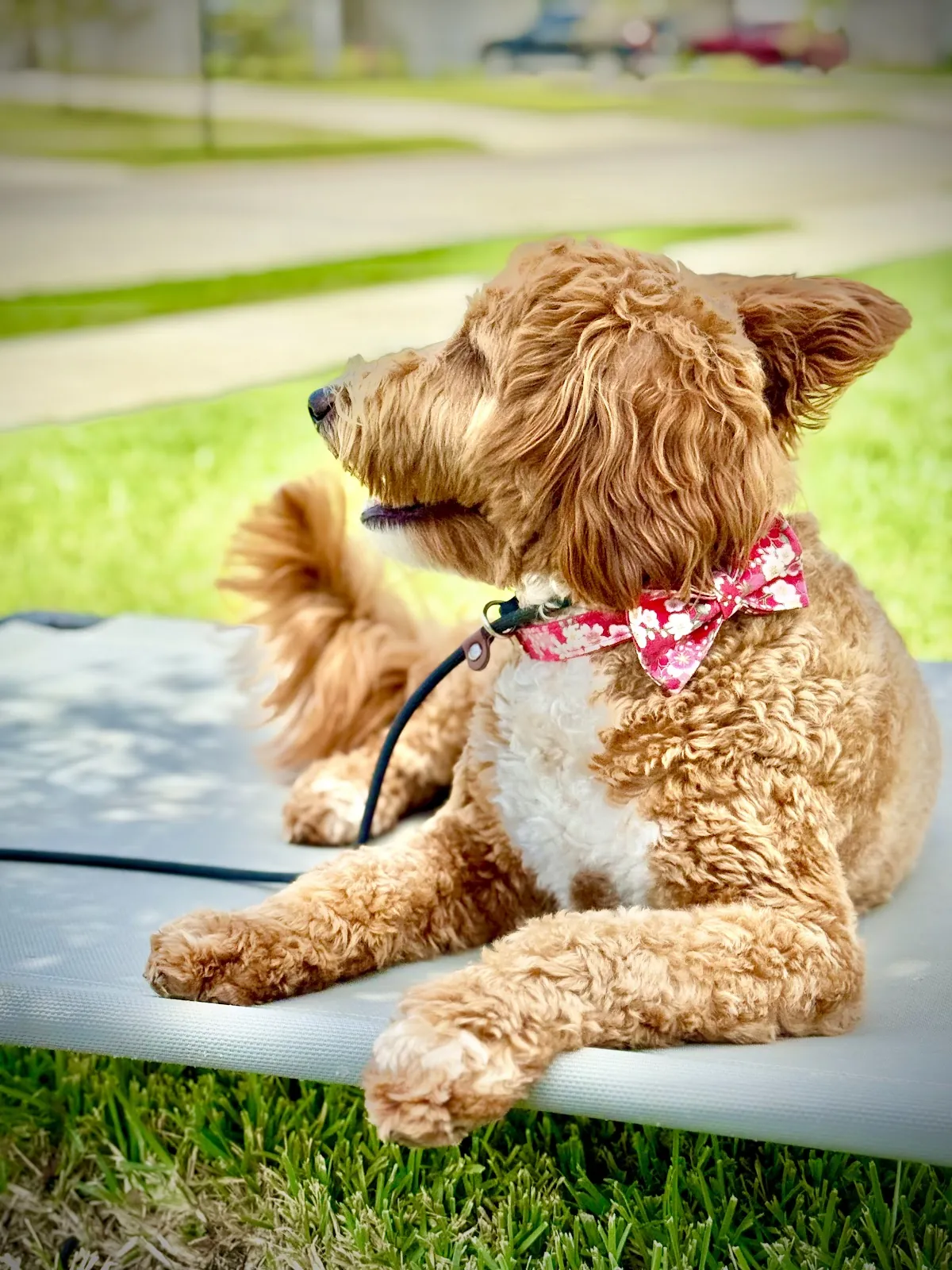
October
Cooler mornings, longer walks: rebuilding the structured walk.
October is when the summer's short walks stretch back out. Here is how to rebuild the structured walk without letting the pulling come back with the mileage.
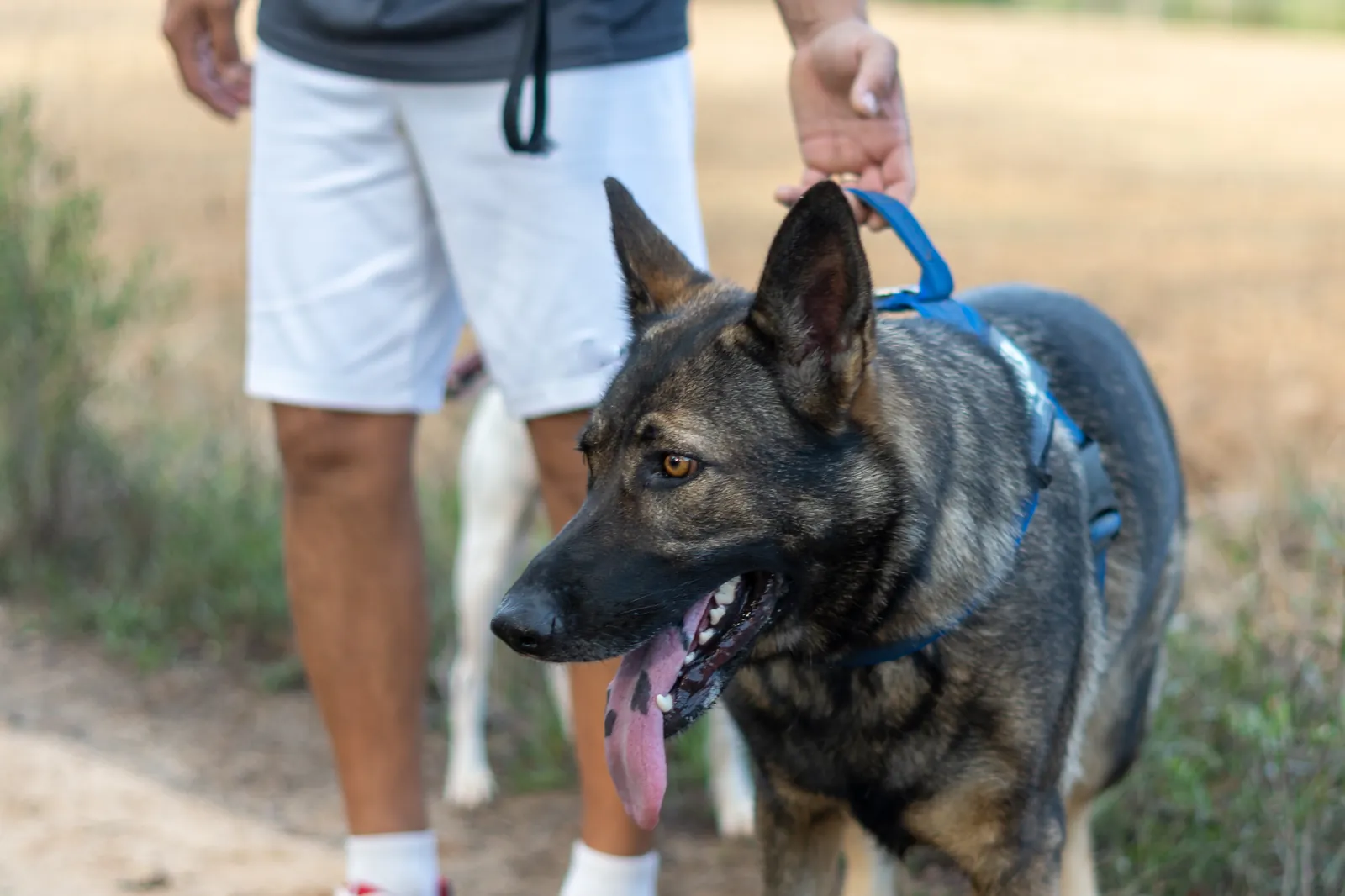
By October the walks get longer, and a lot of leash pulling comes back with them. The dog spent the summer doing ten-minute loops at dawn; now it is on a forty-minute trail walk with squirrels, and the rules that held for ten minutes fall apart at thirty.
Length last, structure first
Rebuild in the same order we build a walk in the training home. Start with five minutes of heel on your own street with nothing happening. Add a release and a sniff break. Add five more minutes. Only when the dog can hold twenty minutes of structure on a quiet street do you take it to Bridgeland or Terry Hershey, and then you start short again there.
- Heel first, sniff second, always in that order
- Turn around the moment the leash goes tight, before the squirrel
- Reward the check-in, not the arrival at the tree
- End the walk while the dog is still succeeding
When it is not a mileage problem
If the dog lunges at other dogs on the trail, more walking makes it worse; every lunge is practice. That is reactivity, and it is the most common reason a fall walk goes wrong. Our reactivity page explains what we do differently, and the free call is where our team tells you whether a lesson or a stay is the fix.
The three places a fall walk goes wrong
The trailhead, where every dog in the neighborhood arrives at once and yours meets three before it has taken ten steps. The narrow stretch, where a jogger and a bike pass at the same time and the leash has nowhere to go. And the last ten minutes, when the dog is tired, you are on your phone, and the squirrel wins. Plan for each: park farther from the trailhead and heel in from the road, step off the path and put the dog in a sit when the narrow stretch gets busy, and end the walk before the last ten minutes arrive.
- Bridgeland and Towne Lake trails: busiest from eight to ten on weekends; go at seven or after four
- Terry Hershey and Memorial Park: bikes on the paved loops, walkers on the dirt, choose the dirt
- Kickerillo-Mischer Preserve: leashed, quiet on weekday mornings, good for a first long walk
Equipment, honestly
A flat collar and a six-foot leash are enough for a dog that has learned to walk. A dog that has not learned yet will pull on any equipment, and a harness clipped at the back makes pulling comfortable for the dog. Our trainers choose the tool for the dog in front of them and teach you to use it in the go-home session; what we do not do is sell gear as a substitute for teaching the walk. If you are buying a third harness this year, the problem is not the harness.

Best Dog University Team
Board and train trainers in Cypress, Houston. 16+ years, 900+ dogs. About our team