
Breed training guides
How to train a havanese: the friendly dog that still needs rules
Everyone loves a havanese, which is exactly why so many never learn manners. Our trainers keep the charm and add the rules: calm greetings, patience for attention and a dog that brings things back instead of running off with them.
Last reviewed September 29, 2026 · by the Best Dog University Team
The Cuban companion
Bred to charm, so it expects to be included in everything.
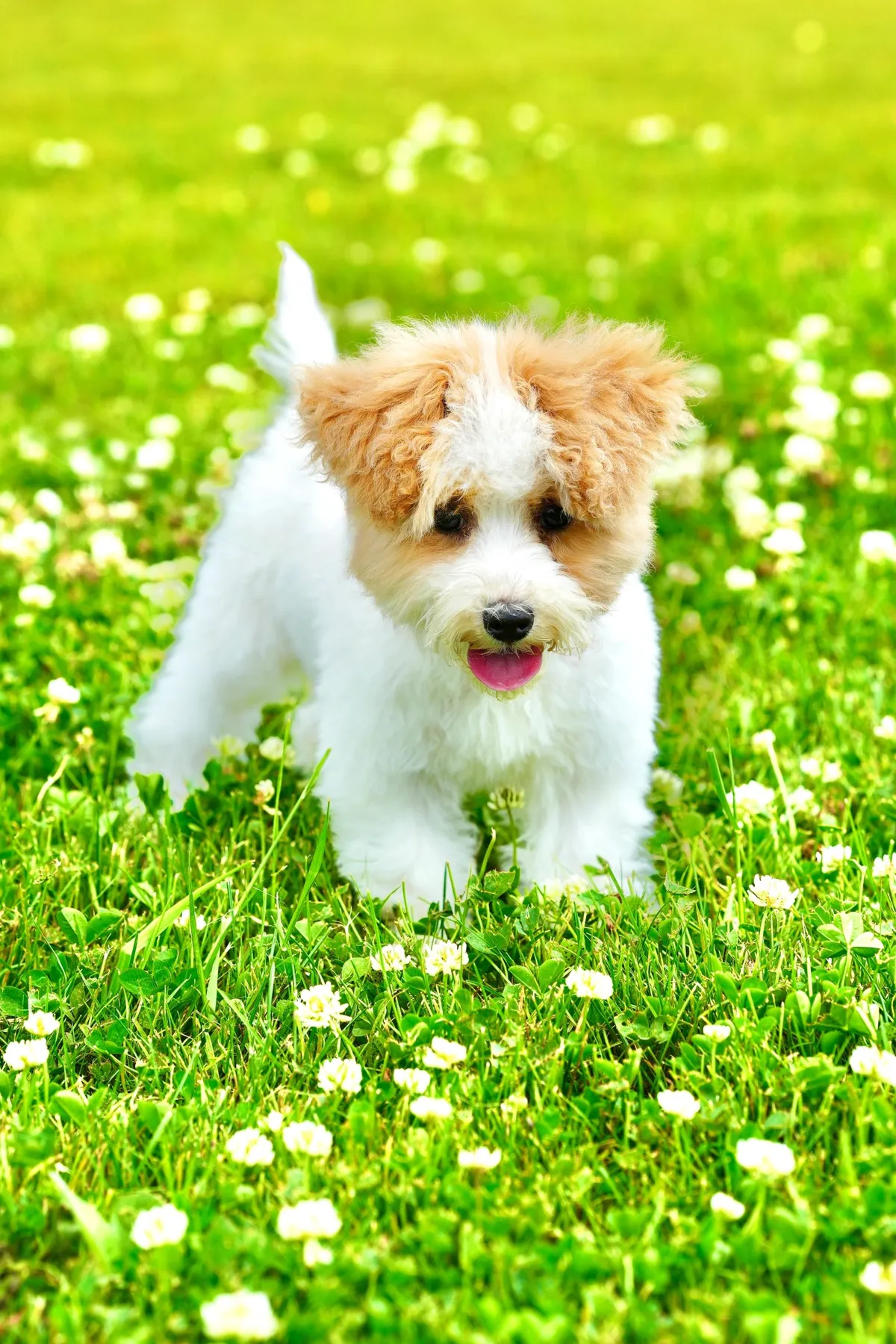
The havanese is the national dog of Cuba, a member of the bichon family of small companion breeds. It sits in the toy group, with a long, soft coat that is abundant but light, and a sturdy little body. Temperament tends toward outgoing, affectionate, playful and a bit of a clown. It likes people in general, not only its own family, and it is happiest when it is part of whatever is going on.
That social nature makes the havanese easy to train and easy to spoil. It learns quickly that jumping gets a hug from a stranger, that barking at you on the couch gets it lifted up, and that grabbing a sock starts a game. None of these are bad intentions. They are a friendly dog repeating what works. Rules, rewards and consistency turn the same charm into a dog that is welcome everywhere.
- Friendly with strangers, so greetings need rules
- A clownish streak that turns theft into a game
- A people-focused dog that dislikes being ignored
- A soft coat that needs daily brushing and handling
What we see
Jumping on everyone, demand barking and keep-away, each with its method.
Jumping is the first call. Make four paws on the floor the price of any greeting from family, guests and strangers on the sidewalk. Put the dog on a leash when visitors arrive, step on the leash so it cannot reach their knees, and ask guests to greet only when all four feet are down. Pay the sit with food and attention. A consistent week changes most young dogs.
Demand barking is second. When the dog barks at you for food, play or the couch, turn away and wait for silence, then give what it wanted only if the moment suits you. Keep-away is third. Never chase a havanese that has your sock; it has just won the best game in the house. Trade for a treat, pay the drop, and teach a retrieve so bringing things back becomes the better game.
- Four paws on the floor before anyone says hello
- A leash under your foot while guests arrive
- Silence before any demand is answered
- Trade and a retrieve instead of a chase
The first year
Manners before charm hardens into habit.
The first months are for the rules that everyone in the house agrees on: where the dog sleeps, how it greets, where it relieves itself and what it may carry. Write them down if the family is large. A havanese puppy learns sit, down, place and come in days with food. House training takes a schedule, a crate and patience, because small dogs need frequent trips.
From six months the havanese tests the rules socially. It jumps on the neighbor who always laughs, barks for attention at dinner and brings the TV remote to the middle of the room. Keep the leash on during visits, keep the answers the same and keep training sessions short and fun. By a year old, a havanese with consistent rules is usually one of the easiest dogs on the street.
Eight to twelve weeks: crate, leash potty trips, name game, the four-paws greeting rule for family
Three to four months: sit, down, place, trades for stolen items, daily brushing
Four to six months: greetings on leash with visitors, sidewalk walks, first patio visit
Six to nine months: social testing, the leash on for visits, demand barking waited out
Nine to twelve months: calm greetings with strangers, a retrieve that ends keep-away
Houston life
Patios, pool decks, heat and a coat that collects everything.
Houston's dog-friendly patios in Montrose, the Heights and Upper Kirby are where a havanese's manners get tested, with strangers bending down to say hello. Practice first at quiet times, ask people to wait for four paws on the floor, and give the dog a mat to settle on. On HOA pool decks in Cypress and Katy, keep the dog leashed and away from the edge until it has a solid wait.
The coat traps burrs, grass and moisture after summer storms, and a quick brush at the door doubles as handling practice. Fire ants live in most Houston lawns, so keep potty trips on a leash to a mown spot. From May to September, train outdoors at dawn and after dark, test the pavement with your hand and move afternoon practice into store aisles.
Getting help
When the charm turns into chaos.
Call when jumping knocks over children or older visitors, when barking fills every quiet evening, or when keep-away has turned into guarding. Puppies younger than four months fit the Puppy Development Bundle, four private sessions at $550 in Cypress or $750 at home. Private lessons at $160 or $220 help older puppies whose families need coaching on greetings and demands.
Gold, two weeks at $2,500, covers sit, place, jumping, pulling, door boundaries and impulse control in our trainer's home, with a go-home session and lifelong support. Free-Style, two weeks at $2,500, suits a havanese that already has manners and loves to learn tricks. The havanese training page explains which fits, and our team can talk it through on a free consultation call.
The programs
Programs that suit a havanese.
The puppy bundle for the rules, Gold for greetings and manners, Free-Style for a polite havanese that loves tricks.

Asked and answered
Questions people ask about this.
Are havanese easy to train?
Yes. They are social, food-motivated and eager to be involved. The hard part is the family, because a dog this friendly gets away with jumping and barking that would be corrected in a bigger dog. Agree on a few rules, keep them consistent, and a havanese learns them quickly.
How do I stop my havanese jumping on people?
Make four paws on the floor the only way to get attention. Keep the dog on a leash when visitors arrive, stand on the leash so it cannot reach their knees, and ask guests to greet only a calm dog. Pay sits generously. Everyone, including neighbors, has to follow the same rule.
Why does my havanese run off with my things?
Because chasing it is the most fun game in the house. Stop chasing, offer a trade, and pay the drop. Teach a retrieve so bringing things to you earns a reward. Keep tempting items out of reach while the habit fades, and give the dog its own toys to carry.
Do havanese do well in Houston heat?
They manage with care. Walk at dawn and after dark in summer, bring water, keep sessions short and move afternoon practice indoors. A tidy trim can help comfort, so ask your groomer. Watch for heavy panting or a dog that lies down and will not move, and call your vet if you see it.
Keep reading
Free consultation · 10% off this fall
Keep the charm, add the rules.
Tell our team who your havanese jumps on and what it steals. The free phone consultation is a direct call with no obligation.