
Breed training guides
How to train a cockapoo: energy, barking and the doodle door
Cockapoos are the small doodle we meet most in Heights townhomes and Katy cul-de-sacs, and the calls are the same three: barking, the door and a dog that cannot be left.
Last reviewed September 29, 2026 · by the Best Dog University Team
What the cross was made from
Two gun dogs in a small package: the cocker's nose and the poodle's brain.
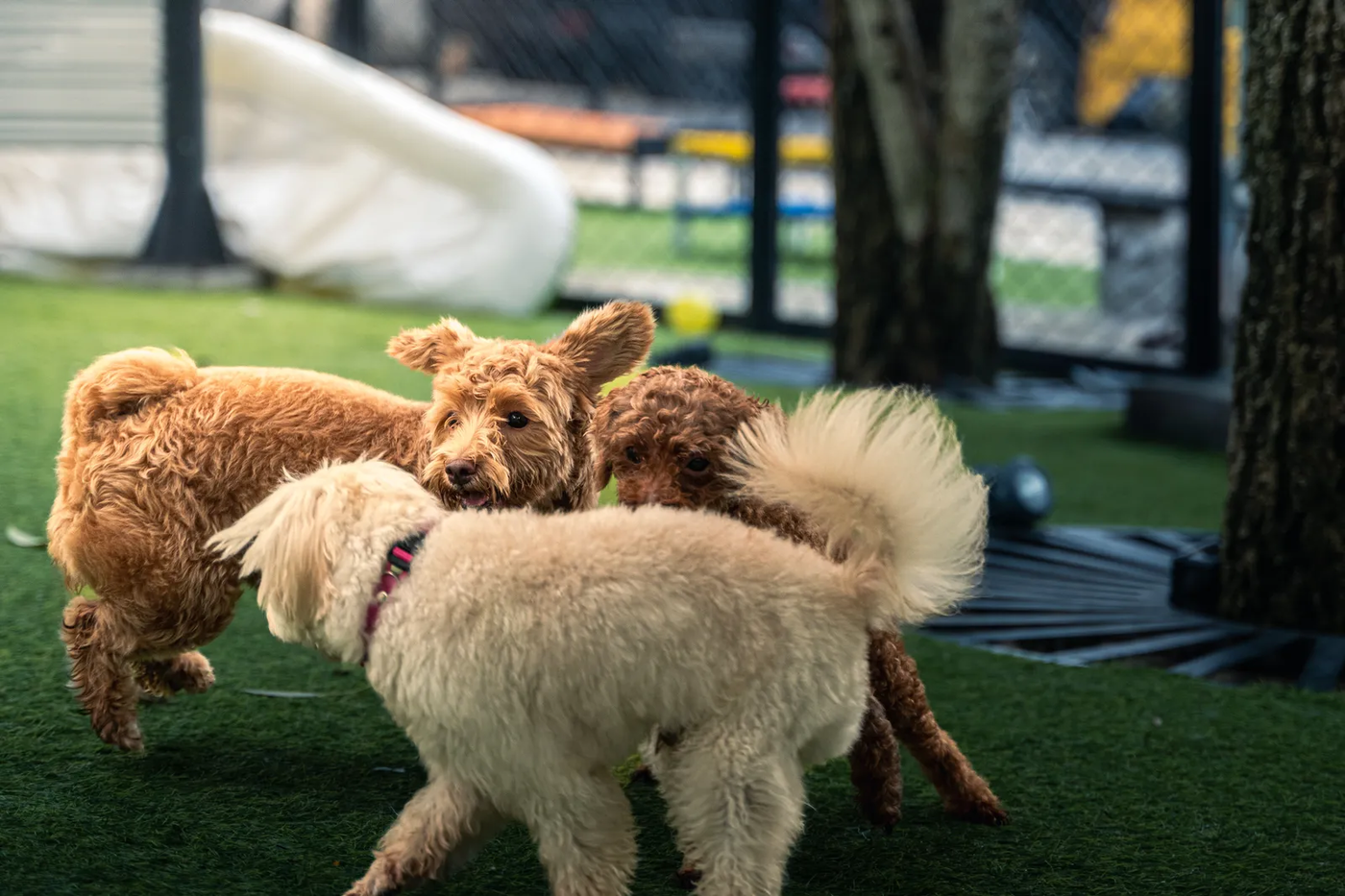
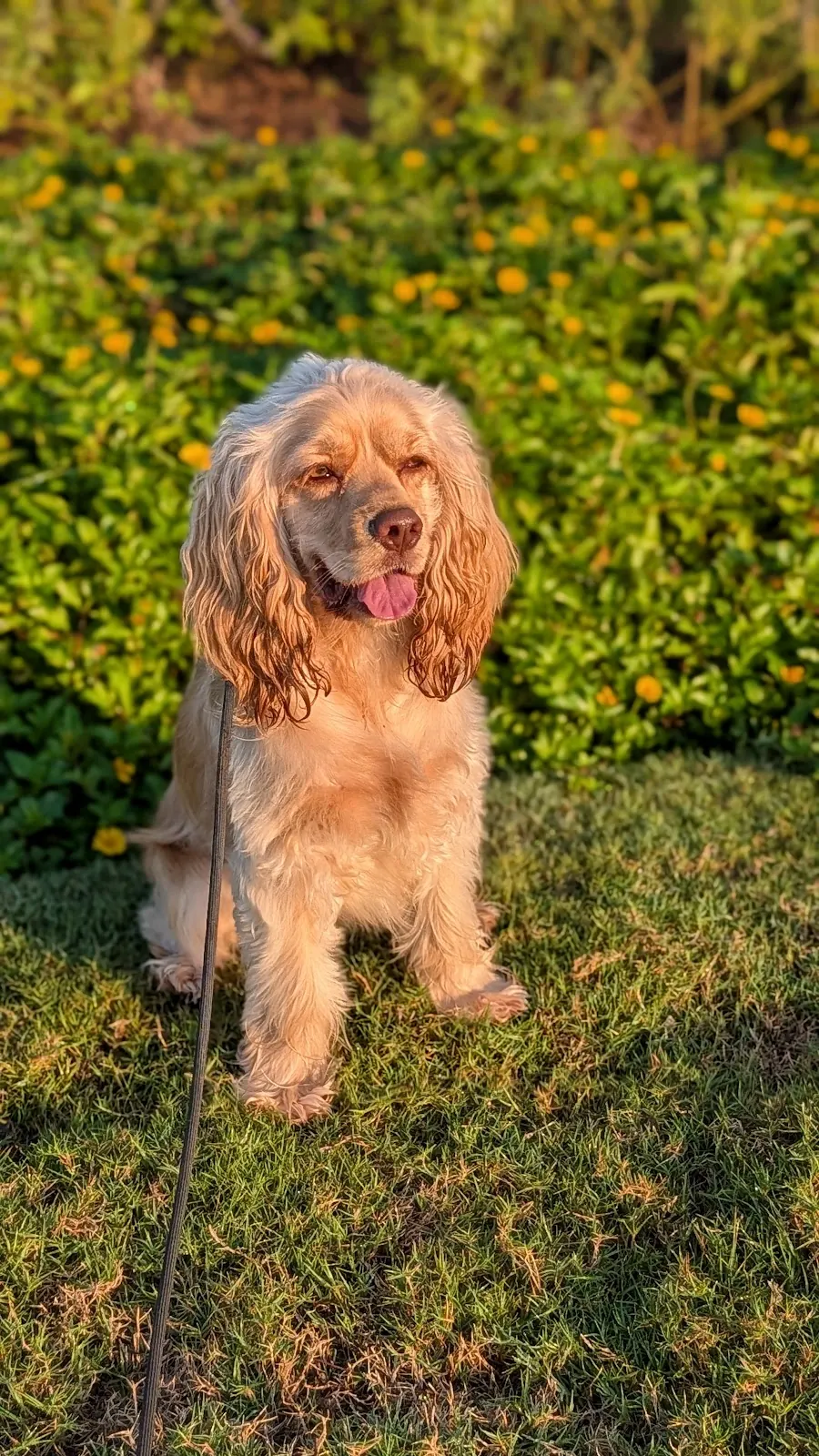
A cockapoo is a cocker spaniel crossed with a poodle, usually a miniature or toy, and both parents were bred to work beside a hunter. The cocker flushed birds from cover and the poodle retrieved them from water, so the cross inherits a busy nose, a soft mouth, a strong pull toward its person and a lot of stamina for its size. At home that history looks like a dog that follows you from room to room, announces every sound on the street and treats the front door as the most exciting place in the house.
Temperament tends toward affectionate, quick and sensitive. A cockapoo reads tone of voice closely, so a harsh correction shuts it down. Balanced training suits the cross: pay for the calm you want, block the barking and the jumping every time, and never make the dog guess which rule applies today. The families who struggle usually let a cute puppy write its own rules for six months.
- Two working parents, so the energy is real
- A low-shedding coat that mats and needs a groomer every six to eight weeks
- Sensitive to tone: firm and calm, never loud
- Follows you everywhere unless taught to settle
The first year
Year one for a cockapoo: crate, settle, greeting rule, then the adolescent rerun.
The cockapoo puppy's first project is the settle, because the cross would rather be in your lap than anywhere else, and a dog that cannot rest away from you becomes the separation case at eighteen months. From eight weeks the puppy sleeps in a covered crate, eats in it, and spends short stretches on a place bed. The greeting rule starts the same week: four paws on the floor before any hand reaches down. The walk begins in the yard on a light leash, in the cool of the morning.
Between four and seven months the puppy meets the world: a pet store aisle on Fry Road, a patio at breakfast, the sidewalk at school pickup, each at a distance where it can watch and stay calm. Around seven months the adolescent arrives, the barking sharpens and the greeting rule seems to vanish. It has not; the dog is testing. Put the leash back on inside the house, shorten the place sessions and hold the rules.
Eight to twelve weeks: covered crate, meals inside it, the name, the first place bed
Three to four months: sit, down, place with a release word, the greeting rule for every visitor
Four to six months: street walks at dawn, the first store trip, alone time on purpose
Six to eight months: the window and the door worked with real deliveries
Eight to twelve months: adolescence, the house leash back on, the same rules
Twelve months on: freedom earned room by room, a nose game daily
The three problems
Barking at everything, the door explosion and a dog that cannot be alone.
The bark is the cockapoo's first problem, and it starts as alert barking at the window: the mail carrier, the neighbor's Lab, a leaf. The method is a quiet cue taught with duration, a place bed away from the window and, on the walk, a change of direction the moment the dog fixes on something. Demand barking, the yap when you stop petting or the bowl is late, earns nothing at all: no eye contact, no words, the reward only when the dog is quiet.
The door is the second problem. A cockapoo hears a car in the driveway and is airborne before the bell rings. We teach a wait behind a line on the floor, place with duration while the door opens, and a release to greet only when the guest is sitting. The third problem is separation, and alone time is taught in small doses from puppyhood: five minutes in the crate while you shower, twenty while you fetch the mail, then a morning out. A cockapoo that panics alone needs a Platinum stay, not more exercise.
- Quiet cue with duration for the window
- Ignore demand barking completely, pay silence
- A wait behind a line and place with the door open
- Alone time in small doses from eight weeks
Houston specifics
A clipped coat in the heat, a townhome window and the patios of the Heights.
The cockapoo's clipped coat is its one advantage in a Houston summer: short, it lets heat out better than a double coat does, so the pavement is the limit rather than the dog. From May through September the walk happens before eight in the morning or after seven at night, with the back of your hand on the sidewalk first. The afternoons belong to store aisles and indoor sessions, which suit a dog this size perfectly.
Housing shapes the plan. In a Heights or Montrose townhome the dog hears every footstep on the stairs and every dog on the sidewalk, so the window and the settle matter more than the yard. In a Katy or Cypress subdivision with an HOA, barking that carries over a fence is a complaint waiting to happen, and the yard is for training, not for leaving the dog. Check the fence line for fire ant mounds before place work on the lawn, and set up a covered crate and white noise before July 4.
When to get help
Call us when the bark runs the house or the dog cannot be left.
If your cockapoo is under four months, the Puppy Development Bundle, four private sessions at $550 in Cypress or $750 in your home, installs the crate, the settle and alone time before the problems take root. A young dog with the bark and the door in full swing is usually a Gold stay, two weeks at $2,500 at our trainer's home in Cypress with a go-home session and a follow-up lesson. Separation panic, or barking that has gone on for a year, is Platinum, three weeks at $3,750, with unlimited lessons afterward.
From central Houston the drive is about 30 to 45 minutes outside rush hour, and the $250 transportation service picks up and returns door to door and includes the first lesson at your home. Whatever you choose, book the free consultation call first and tell our team what the dog does at the window, at the door and when you leave.
The programs
Programs cockapoos usually need.
The puppy bundle before the habits form, Gold for the bark and the door, Platinum for the dog that cannot be alone.


Asked and answered
Questions people ask about this.
Are cockapoos easy to train?
Yes: a cockapoo learns a new cue in a few repetitions. The catch is that it learns the wrong things just as fast: barking that gets attention, jumping that gets a cuddle, whining that opens the crate. Train the rules early and consistently and the cross is one of the easiest small dogs to live with.
Why does my cockapoo bark so much?
Partly breeding, mostly because the bark has been paid. Alert barking at the window is managed with a quiet cue and a place bed out of sight of the street; demand barking stops when it earns nothing. Under-exercised cockapoos bark more, so add a nose game daily.
Can a cockapoo be left alone during the workday?
A trained adult can handle a normal workday with a walk before and after, a midday visit if possible, and a crate or a room it has learned to rest in. An untrained one often cannot, because it was never taught to be alone. Build alone time in small steps from puppyhood.
How much exercise does a cockapoo need in Houston?
Less running than you would think and more thinking. Two short walks at dawn and dusk in summer, a nose game or a short training session indoors, and a chew are enough for most. The pavement test still applies to every summer walk.
When does a cockapoo calm down?
Usually between eighteen months and two years if the settle, the place bed and the greeting rule are taught early. Without training the busy spaniel side stays busy well into adulthood. Adolescence, roughly seven to twelve months, is the loud stretch; hold the rules through it.
Keep reading
Free consultation · 10% off this fall
Teach the door before the bark wins.
Tell our team what your cockapoo does at the window and when you leave the house. The free phone consultation is a direct call with a trainer, no cost and no obligation.