
Sudden fears
What is the puppy fear period?
It usually shows up as a puppy that was fine with the trash can yesterday and barks at it today. Here is what is going on, what our trainers do in the moment, and when it is more than a phase.
Last reviewed September 29, 2026 · by the Best Dog University Team
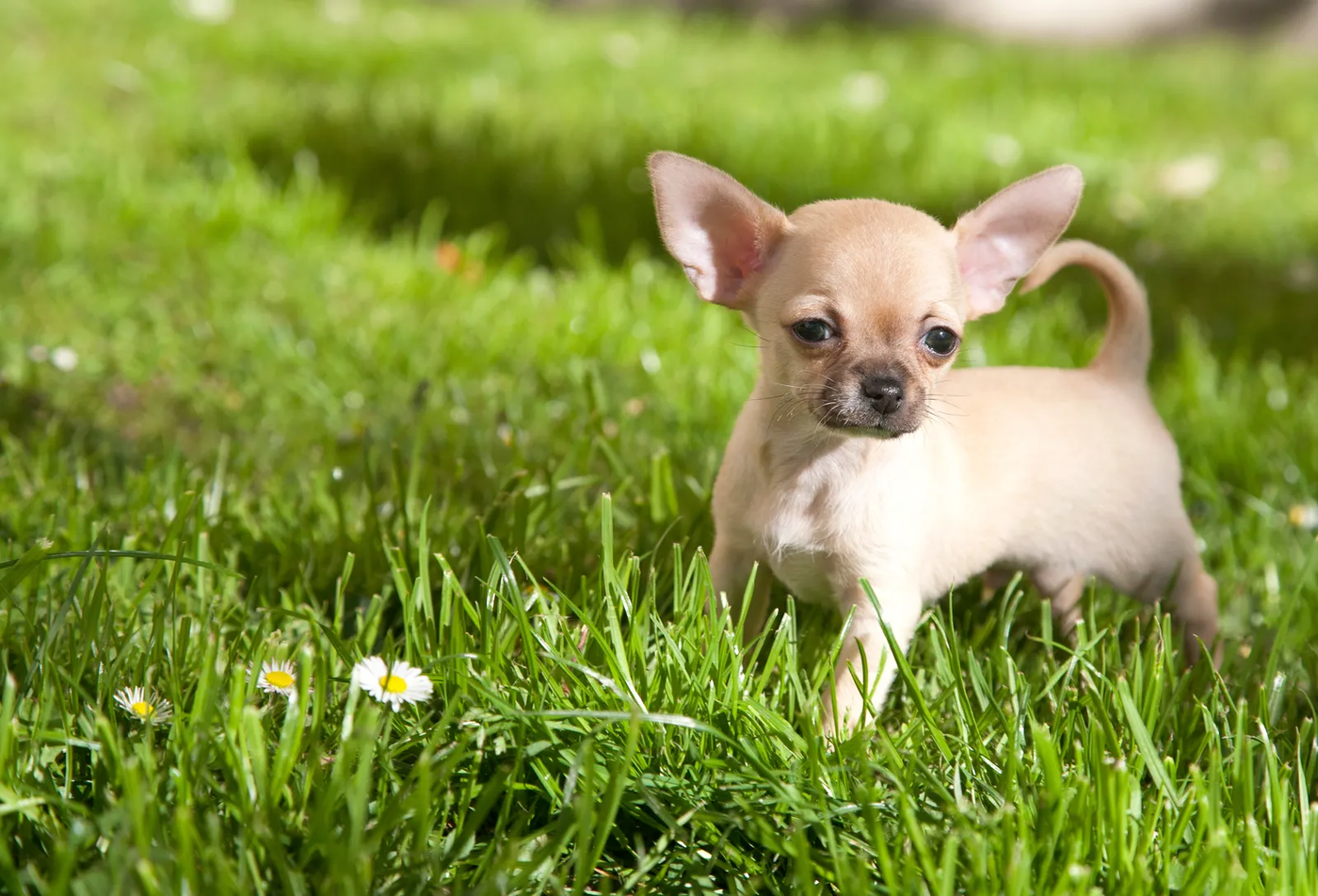
What it looks like
Sudden wariness at familiar things, usually passing within a few weeks.
The signs are easy to miss at first. A confident puppy freezes at a garden statue, backs away from a visitor it met last week, barks at a trash can, or will not walk past a parked car. The body tells you it is fear: a low tail, weight shifted back, a startle, a stare, maybe a bark or a retreat behind your legs.
Most fear periods last days to a few weeks and fade on their own if nothing bad happens during them. The risk is a frightening experience landing in the middle, which can leave a lasting fear of that thing.
- A startle at something familiar
- Tail low, weight back, a stare
- Barking or backing away
- Usually passes in days to a few weeks
When it happens
Two common windows: around eight to eleven weeks, and again in adolescence.
The first window often overlaps the move to a new home, which is one reason the first weeks should be calm and not crowded with parties and car trips. The second is less predictable and tends to appear during adolescence, when a teenage dog suddenly spooks at things on its usual walk.
Not every puppy shows either one clearly, and the timing varies by dog and breed. Treat any sudden fear as a signal to go gently, whatever the calendar says.
In the moment
Let the puppy choose the distance, and pay it for looking.
The worst response is dragging the puppy up to the scary thing to show it there is nothing to worry about. The second worst is scooping it up with a flood of reassurance every time. Our trainers do something quieter: stop, give the puppy room, let it look from wherever it feels safe, and pay it for looking. If it chooses to move closer, great; if not, you walk on.
Your calm matters. A handler who stands relaxed, breathes and treats the scary thing as boring gives the puppy a reason to look back at you.
Stop and give the puppy space; do not pull it forward
Let it look from wherever it is comfortable
Pay calm looking with a treat, low and quiet
Let the puppy choose whether to move closer
Walk on after a few seconds, whatever it chose
Come back another day at the same easy distance
Houston timing
Storms, fireworks and moves can land in the middle of a fear period.
A Houston puppy may meet its first big thunderstorm, its first July 4 or New Year's fireworks, or a hurricane evacuation during a fear period. Plan ahead: a covered crate in an interior room, background noise, a chew, and a calm person close by. Keep the puppy home during big fireworks nights, and start quiet sound recordings well before them.
Other local surprises include lawn crews with blowers, sprinklers popping on, and garbage trucks at dawn. Give the puppy distance from them on walks, and let it watch from the porch first.
- A covered crate in an interior room for storms
- Home on fireworks nights
- Quiet sound recordings weeks ahead
- Distance from blowers, sprinklers and trucks
What we do at Best Dog University
The bundle plans exposure around fear periods, and lasting fear gets a closer look.
Before four months, the Puppy Development Bundle is the fit: four private sessions, $550 in Cypress or $750 at your house. It includes a socialization plan that adjusts when the puppy spooks, so the first fear period passes without leaving a mark. Anxiety and fear are among the problems our trainers work with most.
The honest fit: fear that grows rather than fades, lasts more than a few weeks, or comes with growling or snapping is not a phase. That dog needs a plan, often private lessons or Platinum at $3,750, and a veterinary check to rule out pain.
The programs
Programs for a fearful puppy.
The bundle for a puppy in its first fear period, lessons for an older puppy, Platinum when fear has become a pattern.

Asked and answered
Questions people ask about this.
How long does a puppy fear period last?
Usually days to a few weeks. The first commonly lands around eight to eleven weeks, and another may appear during adolescence. If the fear lasts longer, spreads to more things or comes with growling, it is more than a phase, and our team would want to talk it through.
Should I comfort my puppy when it is scared?
Stay calm and close, and let it hide behind you or look from a distance. A soft word and a treat are fine. What does not help is a big, worried fuss or dragging the puppy toward the thing to prove it is safe. Your calm body teaches more than your words.
Is my puppy's sudden fear a sign of a bad temperament?
Usually not. A fear period in an otherwise confident puppy is normal development. Watch whether the puppy recovers quickly and whether the fear fades over a few weeks. A puppy frightened of most things most of the time is different, and worth a conversation with our team.
Should I avoid socializing my puppy during a fear period?
No, but slow down. Keep outings short and quiet, give more distance, and skip the big events. A calm walk past a few new things is better than a crowded festival. Carry on once the puppy is back to its confident self.
My adolescent dog suddenly fears things on our walk. Is that a fear period?
It may be. Many teenage dogs spook at familiar things for a while. Give distance, let the dog look and pay calm, and avoid forcing it past the scary thing. If the fear grows or turns into barking and lunging, talk to our team before it becomes a habit.
Keep reading
Free consultation · 10% off this fall
Go gently, and watch it pass.
Tell our team what your puppy is suddenly afraid of and how old it is. The free phone consultation is a direct call.