
Puppy energy
How much exercise does a puppy need?
Most families with a wild puppy assume it needs more running. Usually it needs more sleep and more to think about. Here is how our trainers balance the day.
Last reviewed September 29, 2026 · by the Best Dog University Team
Bursts and naps
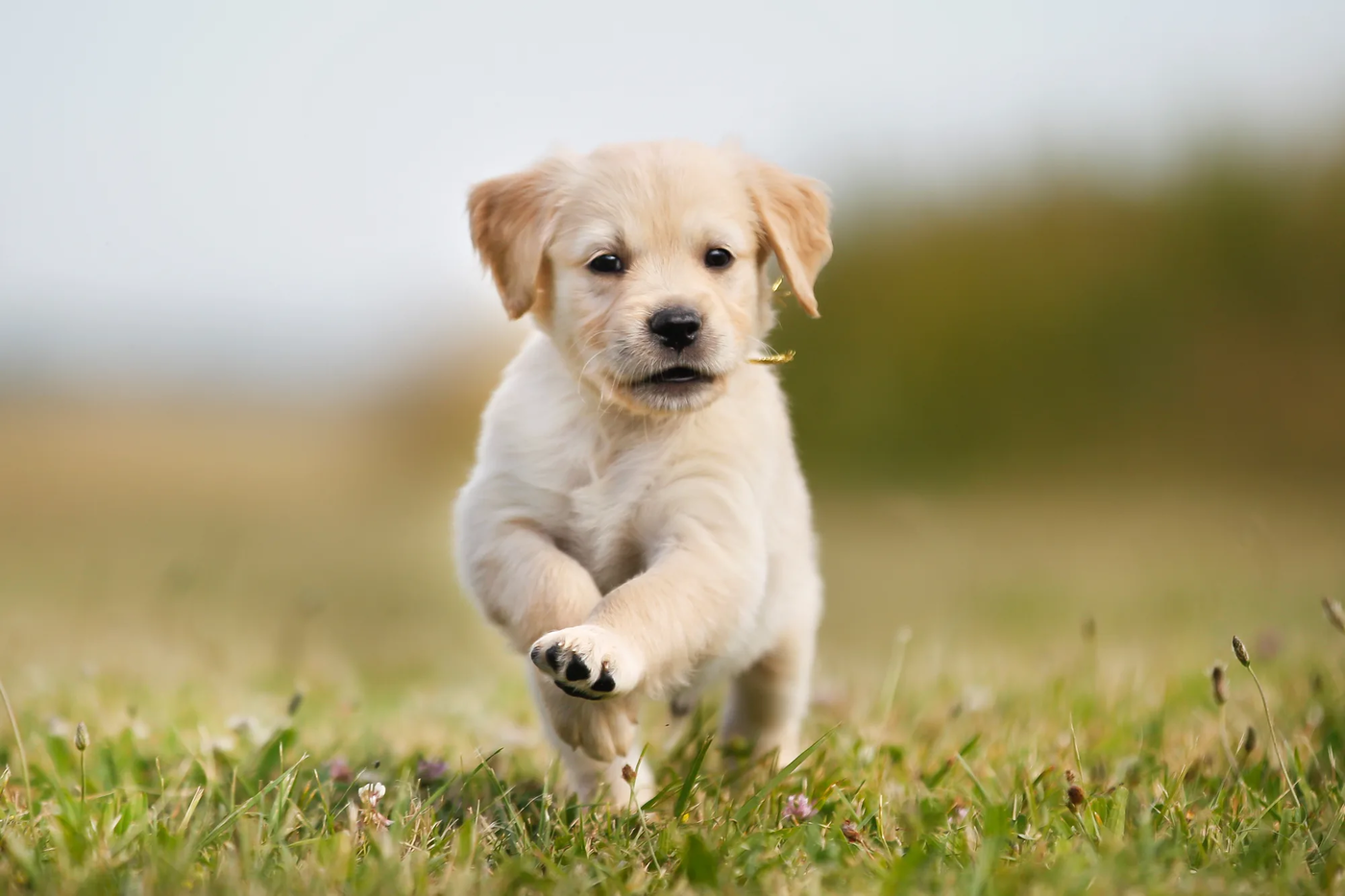
Short bursts and long naps, not miles.
A young puppy's day should look like a string of short activities with naps between them: out to the potty spot, five or ten minutes of play or training, a little wandering in the yard, then back to the crate to sleep. Puppies need far more sleep than most families expect, and one that does not get it becomes the puppy that bites, zooms and cannot settle in the evening.
That is why more exercise often makes things worse. A puppy run hard at seven in the evening to tire it out usually comes back more wound up, not less. A nap would have done the job.
- Short activity, then a nap
- More sleep than you expect
- Evening zoomies often mean overtired
- A nap beats a longer run
The brain
A tired brain settles a puppy faster than tired legs.
Five minutes of training, a sniff walk where the puppy chooses the pace, a food puzzle, a round of find it with kibble scattered in the grass, or holding a place bed while you make coffee all use energy without adding impact. Mental work is also what makes the puppy easier to live with, since every game is practice for manners.
Our trainers build a puppy's day around this. Breakfast comes from a puzzle, a training game follows each potty trip, and walks are for sniffing and watching as much as for distance.
- Meals from a puzzle or scattered in the grass
- A training game after each potty trip
- Sniff walks at the puppy's pace
- A place bed held for a minute
Breed and size
Big, small and working breeds need different plans, and your vet sets the limits.
A Lab, doodle, German shepherd or Australian shepherd puppy will ask for more than a Cavalier or a shih tzu, and the answer is usually more mental work rather than longer runs. Jogging, running beside a bike and repetitive jumping wait until your veterinarian says the puppy's body is ready, which for large breeds is later than for small ones.
Flat-faced breeds such as bulldogs, French bulldogs and pugs need extra caution in Houston, because they struggle in heat and humidity. Keep their activity short, cool and indoors on hot days, and let your vet guide you on limits.
The Houston factor
From May to September the heat sets the schedule, so plan the day around it.
Puppies overheat faster than adults, and Houston pavement at midday can burn young pads. Put the walks and yard games at dawn and dusk, test the pavement with the back of your hand for a few seconds before every walk, and bring water. Midday activity moves indoors: hallway fetch, training games and puzzles in the air conditioning.
Summer storms and hurricane season can cancel outdoor time for days. An indoor routine built in advance keeps a puppy from climbing the walls when it rains for a week.
Dawn: potty trip, a short sniff walk on grass, breakfast from a puzzle, nap
Mid-morning: a few minutes of training indoors, then a crate nap
Noon: potty trip only, a quick indoor game, nap
Afternoon: chew time on a place bed, nap
Dusk: pavement test, a short walk or yard play, water
Evening: a calm training game, then a crate nap before bed
What we do at Best Dog University
The bundle sets up a daily routine that fits your puppy and your house.
For a puppy under four months we recommend the Puppy Development Bundle, four private sessions, $550 at the Cypress training home or $750 in your home. It includes the daily structure: when to play, when to train, when to nap, and how to run it through a Houston summer. Families often find the evening biting and zoomies ease once the naps are right.
The honest fit: an adolescent working breed that is out of control despite plenty of exercise usually needs structure rather than more running, and Gold, two weeks at $2,500, builds the place, impulse control and leash manners that help it settle.
The programs
Programs for a high-energy puppy.
The bundle for the daily routine, lessons for an older puppy, Gold for an adolescent that cannot settle.

Asked and answered
Questions people ask about this.
How long should I walk my puppy?
Short. Many families use a rule of thumb of about five minutes of structured walking per month of age, once or twice a day, with free play on top. A four-month puppy might walk twenty minutes at dawn. Ask your veterinarian about limits for large breeds, and walk at cooler hours in Houston summers.
Why is my puppy crazier after a long walk?
Because it is overtired, not under-exercised. Puppies need a lot of sleep, and a long walk can leave them overstimulated and bitey. Shorten the walk, add a sniff session or a training game, and follow it with a crate nap. The calm usually arrives with the nap.
Can my puppy go running with me?
Not yet. Jogging and running beside a bike wait until your veterinarian says your puppy's body is ready, which is later for large breeds. In the meantime, sniff walks, training games and free play on grass give plenty of activity without the repetitive impact.
How do I exercise my puppy when it is too hot outside?
Move it indoors: hallway fetch, find it games with kibble, puzzle feeders, and short training sessions on the place bed or at the door. Save the outdoor time for dawn and dusk, test the pavement first, and bring water. A tired brain is as good as tired legs.
Is a dog park good exercise for a puppy?
Not for a young puppy. A busy dog park is loud, rough and full of unknown dogs, and it often teaches the wrong lessons. Your vet decides when public dog areas are safe, and training decides when your puppy is ready, usually much later. Sniff walks and calm play dates do more.
Keep reading
Free consultation · 10% off this fall
Plan the day, not just the walk.
Tell our team your puppy's breed, age and daily routine. The free phone consultation is a direct call.