
A second attempt
Do you take dogs that failed another board and train?
It is a hard call to make. You spent money, you missed your dog for weeks, and the dog you got back was not the one in the videos, or it was for a month and then drifted. None of that means your dog cannot learn. It usually means one piece of the process was missing.
Last reviewed September 29, 2026 · by the Best Dog University Team
The short answer
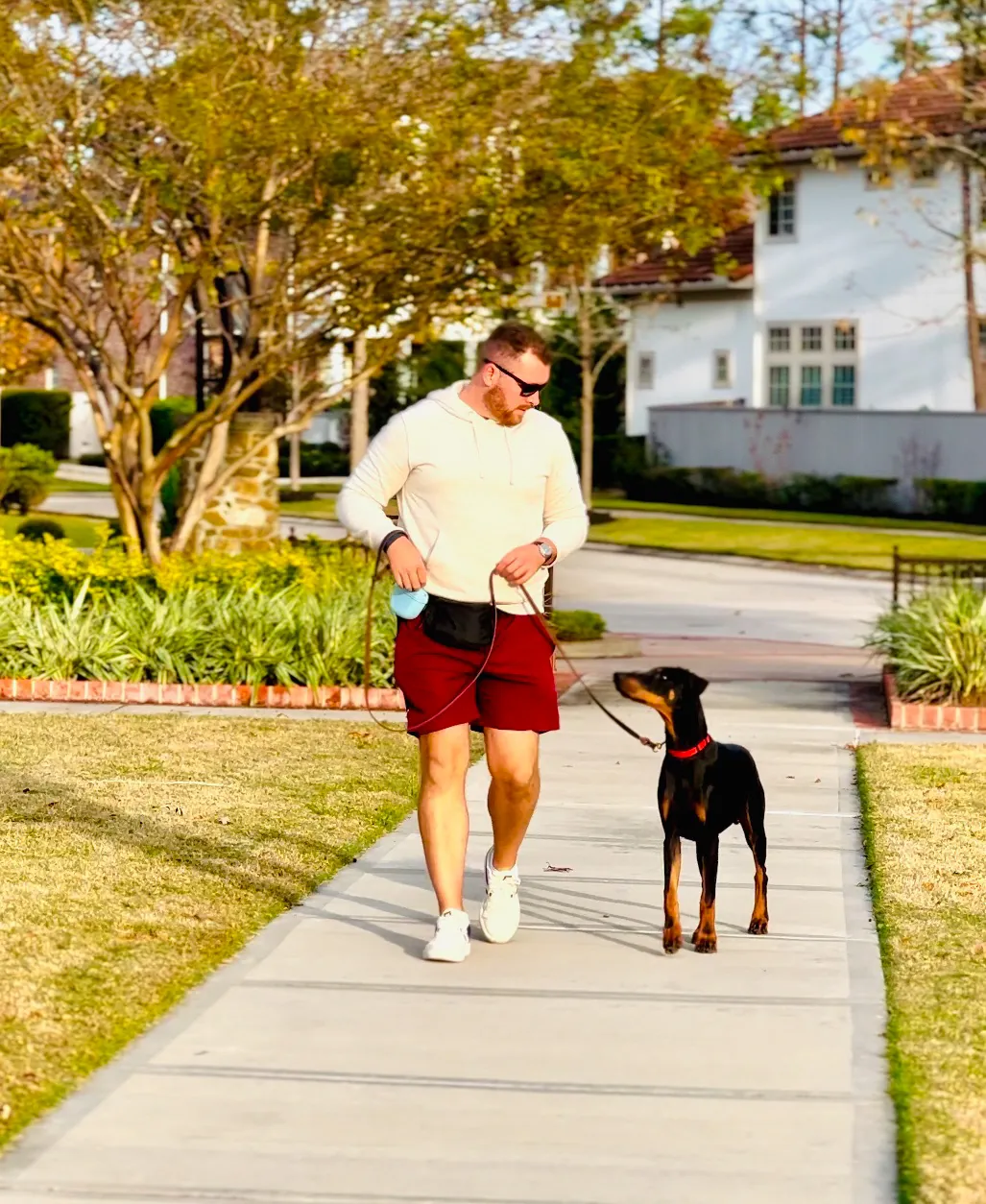
We take them, we start from the facts, and we do not repeat what did not work.
The first call is mostly questions. How long was the program, where did the dog live, who handled it, what did the videos show, what were you taught at pick-up, and what did the dog do in the first week home? Families who kept notes, videos or the equipment the dog came home in should have them handy, because they tell our trainer more than a description can.
You do not need to name the other trainer, and we will not ask you to. The purpose is not to judge anyone. It is to find the gap between what your dog could do there and what it does in your kitchen, because that gap is what the next program has to close.
- What the dog learned, and where
- Which tools were used, and how
- Whether you were taught the handling
- What came back, and how soon
Why it did not stick
Most failed programs fail at the handover, the setting or the length, rather than at the dog.
The most common gap is the handover. A dog that listens to a trainer and not to its owner was trained well and transferred badly: the family never practiced the leash hand, the release word or the door routine with a coach beside them. The second is the setting. A dog calm in a kennel run has learned kennel calm, and a kitchen with a doorbell and a toddler is a different problem.
The third is length. A week can install a loose leash and door manners, but it cannot change reactivity or aggression, and a dog sent home too early reverts the first time it sees a dog on the Bridgeland trails. Occasionally the gap is harsher: a dog handled roughly may come back flat or wary of a collar, and that dog needs trust rebuilt with food before anything else.
- The handover: the family was not taught
- The setting: calm in a kennel, not in a house
- The length: too short for the problem
- The handling: a dog that now distrusts the tools
Four second-chance dogs
The plan depends on what the first program left behind.
A dog that knows its commands but only works with a certain collar on needs the commands rebuilt so the dog understands them, not just the equipment. A reactive dog that did a short program needs the time Platinum gives, with public work and lessons afterward. A dog that came back nervous needs a slow first week, with food and no pressure, before any boundary is introduced.
The fourth dog is the one that is actually fine. Some dogs come to us having learned a great deal, and what is missing is the family's handling. For them a stay would repeat what they already know, and a few private lessons in your own house, with a trainer watching your timing, are the honest and cheaper answer.
Write down what the first program covered and how long it ran
Collect any videos, notes and the equipment the dog came home in
List what your dog does now, where and how often
Book the free phone consultation and walk our team through it
Decide together between lessons, Gold or Platinum
Plan the handover with everyone in the house who handles the dog
What is different in our home
A house, one trainer and a real handover, which address the usual gaps directly.
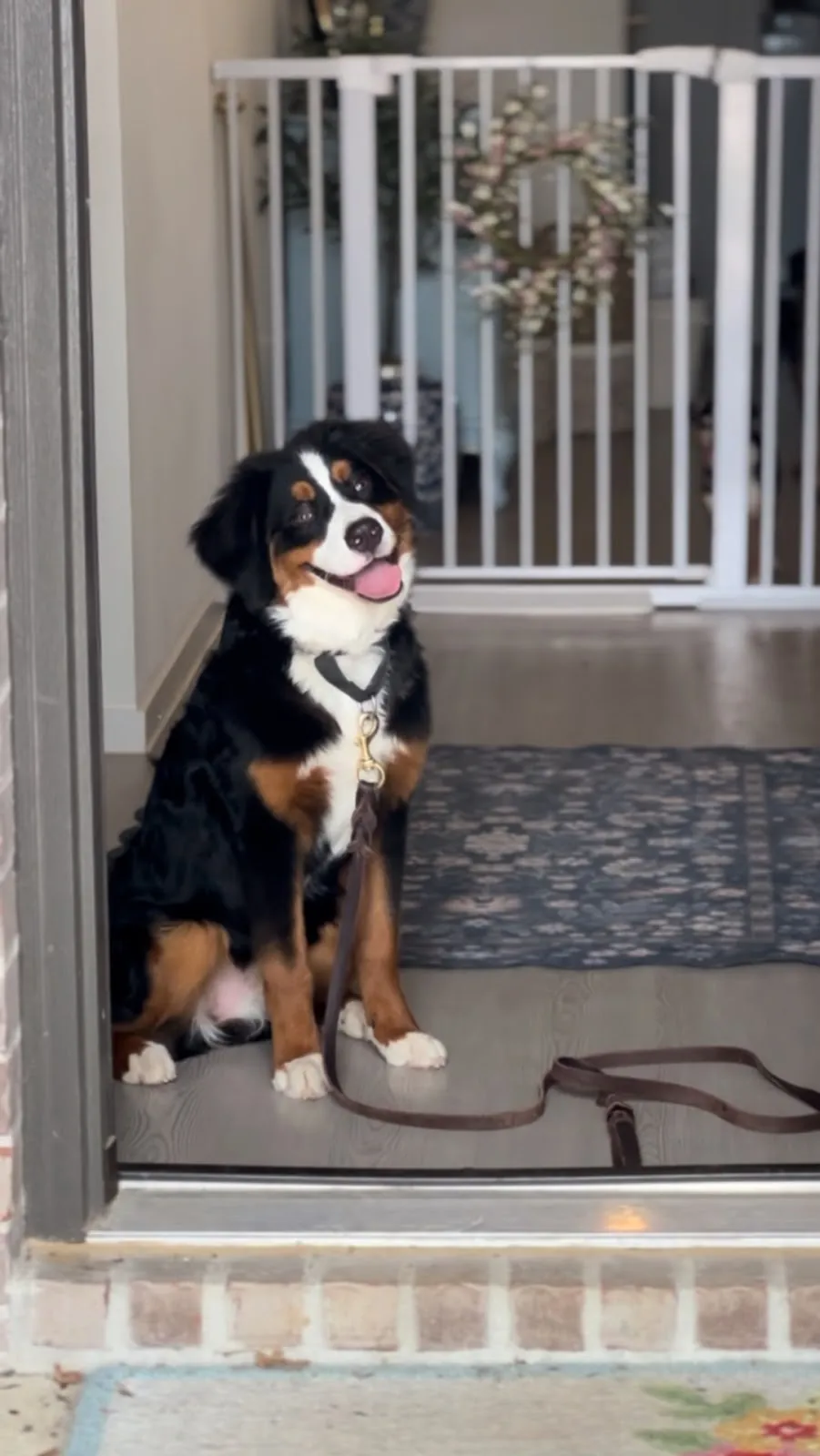
Your dog lives in our trainer's own house in Cypress rather than a kennel, so it practices the things your house asks for: doors, meals, guests, a couch, a crate at night. The same trainer works the dog from drop-off to the handover. Photo and video updates arrive every Monday, Wednesday and Friday, so you can see the work rather than a summary of it.
The go-home session is where our program most often differs from the one that did not stick. You do the handling, with our trainer coaching, until the dog works for you. In summer that happens early or late in the day, with the pavement checked first. Families from Katy or Tomball are about 25 to 35 minutes away outside rush hour; the $250 transport service moves the session to your own front door.
What we do at Best Dog University
Platinum for most dogs coming from a program that did not hold, and lessons for the dog that only needs its family taught.
Platinum, three weeks at $3,750, is where most of these dogs land, because it combines behavior modification, field trips and a comprehensive handover with unlimited private lessons afterward, and those lessons are what the first program usually lacked. Gold, two weeks at $2,500, suits a younger dog whose first program covered manners in a week and ran out of time.
The honest fit: we do not promise results, and a trainer who does is dodging the question. What we can do is explain the plan, show you the work three times a week and keep teaching you afterward. Private lessons are $160 in Cypress or $220 in your home when the dog already knows the job.
The programs
Programs for a second attempt.
Platinum when the first program was too short or too thin on the handover, lessons when the dog already knows the job.


Asked and answered
Questions people ask about this.
Do I need to tell you which trainer we used before?
No. What helps is what happened: the length of the program, where the dog lived, the tools, what you were shown at pick-up and what your dog does now. Our team is not interested in criticizing another trainer, only in understanding the gap your dog came home with.
Is a dog that failed a program harder to train?
Not usually. Most of these dogs learned something and simply did not carry it into their own house. A dog that was handled roughly and came back wary takes a slower start, with food and no pressure, but it still learns. The history changes the first week more than the outcome.
Will you use the same tools the other program used?
Only if they suit your dog. Our trainers teach every skill with food first and choose equipment for the individual dog afterward. A dog that shuts down when it sees a particular collar will not start with that collar. You will be shown exactly what your dog uses and how at the go-home session.
Can you promise it will work this time?
No, and be wary of anyone who does. We can promise a clear plan, a house rather than a kennel, updates every Monday, Wednesday and Friday, a go-home session that trains you and follow-up after it. The results depend on the dog and on the routine at home, and our team will be honest about both.
Could lessons be enough instead of another stay?
Often, yes, when the dog already knows its commands and the missing piece is your handling. A few private lessons in your house, with our trainer watching your leash hand and timing, fix that faster and cheaper than a stay. Our team will say so on the call if that is your dog.
Sources
Keep reading
Free consultation · 10% off this fall
Came home from another program disappointed?
Tell our team what happened on the free phone consultation. We will say honestly whether a stay or lessons will help, and a $250 deposit holds the dates if it will.