
Regression
Do dogs regress after board and train?
Regression is the fear behind the price. Nobody wants to spend $3,750 and be back at square one by Thanksgiving. The honest answer is that regression is real, predictable and preventable, and the preventing is mostly done by the household, with the trainer's help.
Last reviewed September 10, 2026 · by the Best Dog University Team
Testing is not regression
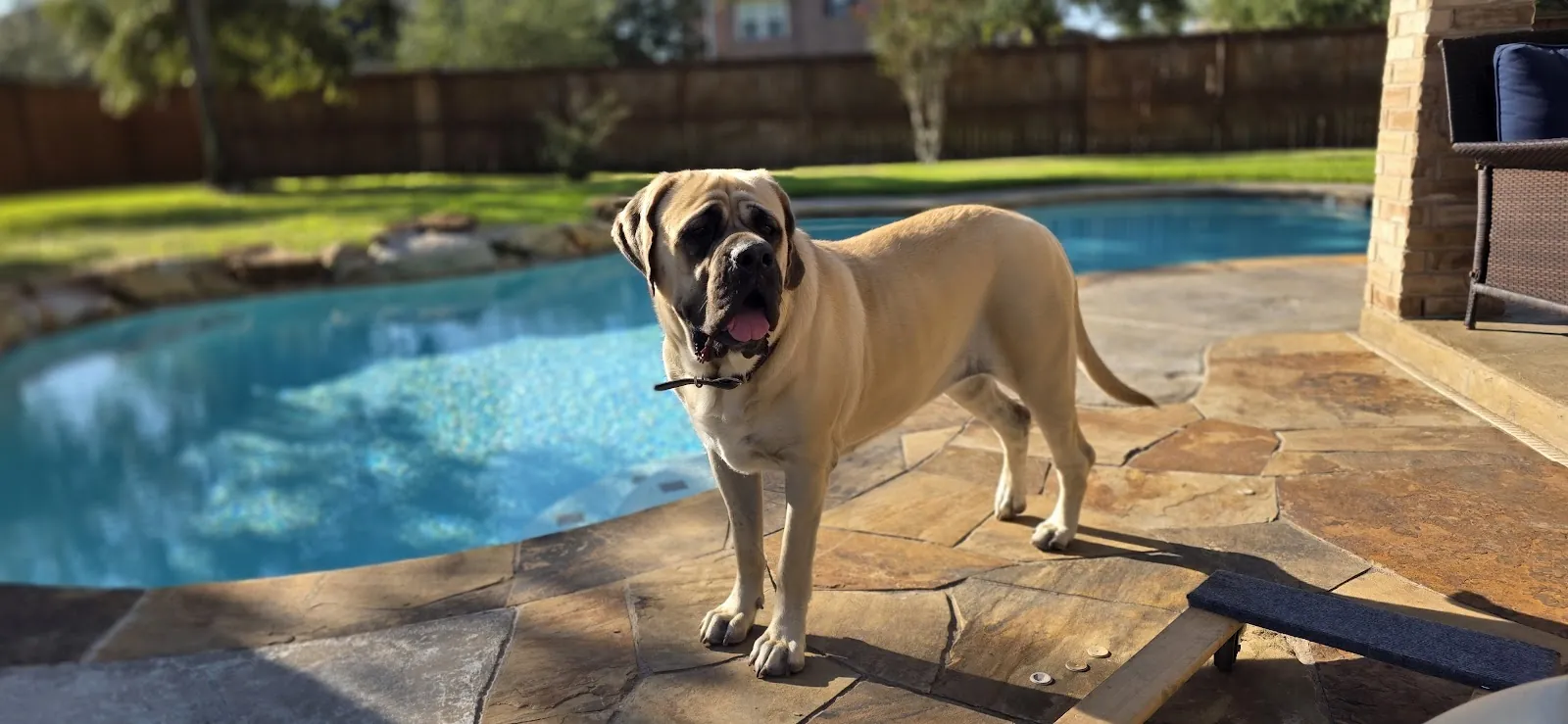
The first week home, every dog tests whether the rules changed too.
A dog trained in our Cypress training home comes back to your house and immediately checks whether the couch, the door and the kitchen still run on the old rules. Jumping at the door once, pulling on the first walk, whining in the crate on night one: that is testing, and it is normal. It becomes regression only if the household answers the test the old way.
Hold the routine from the go-home session for two weeks and the testing stops. The dog concludes that the new rules travel, and the calm you saw in the videos becomes the dog you live with.
- A test at the door, the couch and the leash is normal
- The household's answer decides what happens next
- Two weeks of consistency ends the testing
Why regression happens
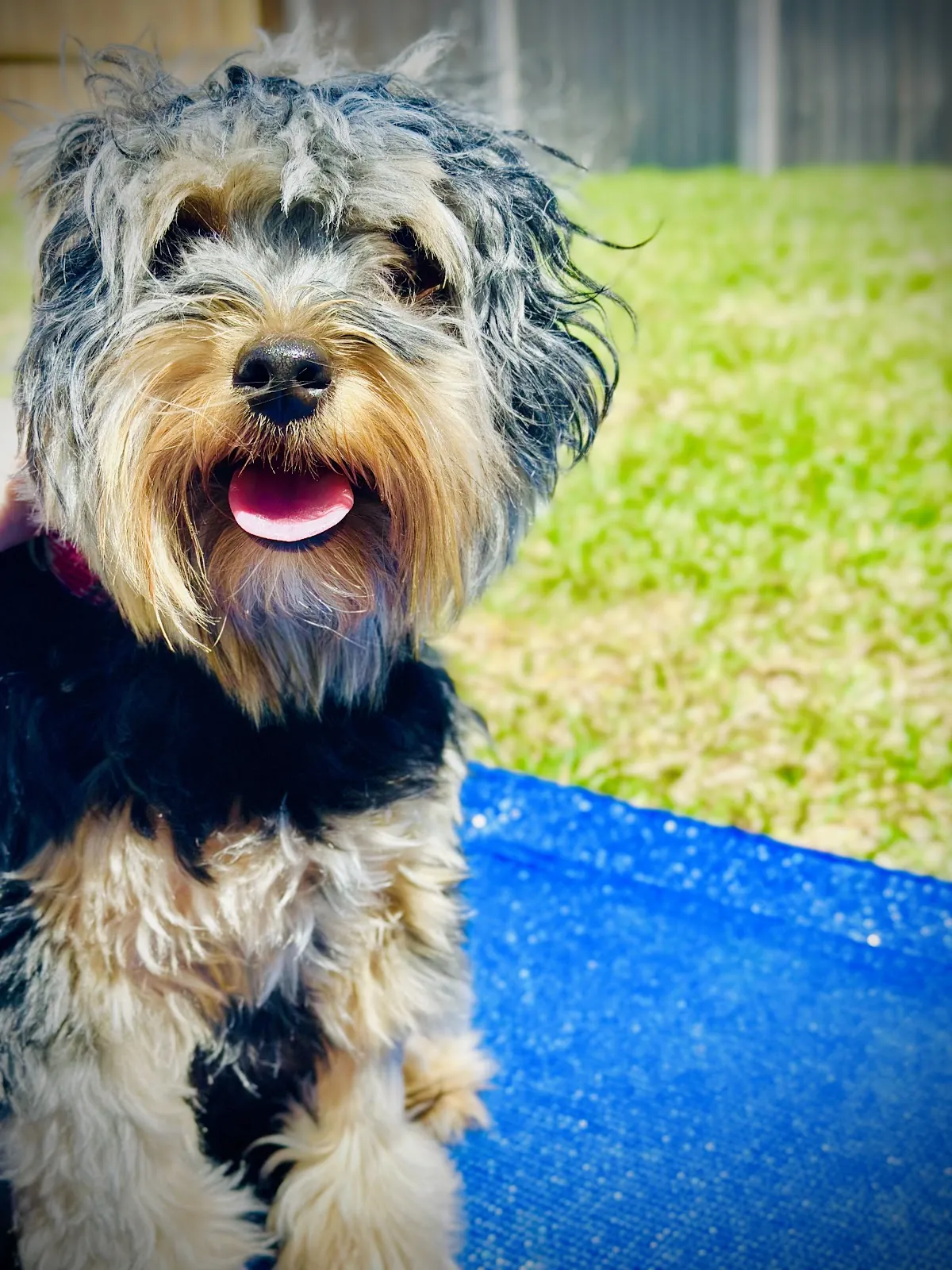
Three causes cover nearly every case, and none of them is the dog forgetting.
The first is the missing handover: programs that return a trained dog without teaching the owner the mechanics, the release word, the leash handling, the u-turn. The second is the dropped routine: the place bed goes in the garage, the structured walk becomes a sniff-fest, the greeting at the door goes back to squeals. The third is a facility environment: the dog learned to be calm in a run and never generalized to a house.
Best Dog University's design addresses each one: the dog lives in a home, every program ends with a go-home session with you on the leash, and lessons afterwards catch the slips.
The three habits
Use place daily, walk the way you were shown, and never negotiate.
Place is the most useful command the dog owns. Ten minutes of place while dinner cooks keeps duration, calm and the off switch alive. The structured walk is where leadership gets practiced; ten minutes done right beats an hour of pulling. And every command is said once and followed through, because a dog that hears sit three times learns that the first two were optional.
Houston households have particular slip points: the front door that opens for deliveries all day, the summer months when walks shrink and place work has to carry more, the holiday guests who greet the dog at the door. Each one is a place to hold the routine rather than relax it.
Place every day, starting with meals and the doorbell.
The structured walk as taught, even if it is shorter in summer.
One command, one follow-through, one reward.
The crate and the place bed stay where they were set up.
Guests are told the rules before they walk in.
A slip gets a lesson booked that week, not a wait-and-see.
When a slip happens
Book the lesson early, because a habit is cheaper to fix at week two than month four.
Gold includes an additional lesson and lifelong support; Platinum includes unlimited private lessons; VIP includes unlimited in-home lessons directly with our trainers. A slip worked in a session is fixed in an hour. A slip left for months is a new habit and can need another stay. Families in Katy or The Woodlands can use the in-home option so the lesson happens at the door that is causing the trouble.
Graduates can also board with us for holidays and travel, and our trainers run training refreshers during the stay, which is a useful reset if the routine drifted.
- Gold: one extra lesson and lifelong support
- Platinum: unlimited private lessons
- VIP: unlimited in-home lessons
- Boarding with refreshers for graduates
What lasts
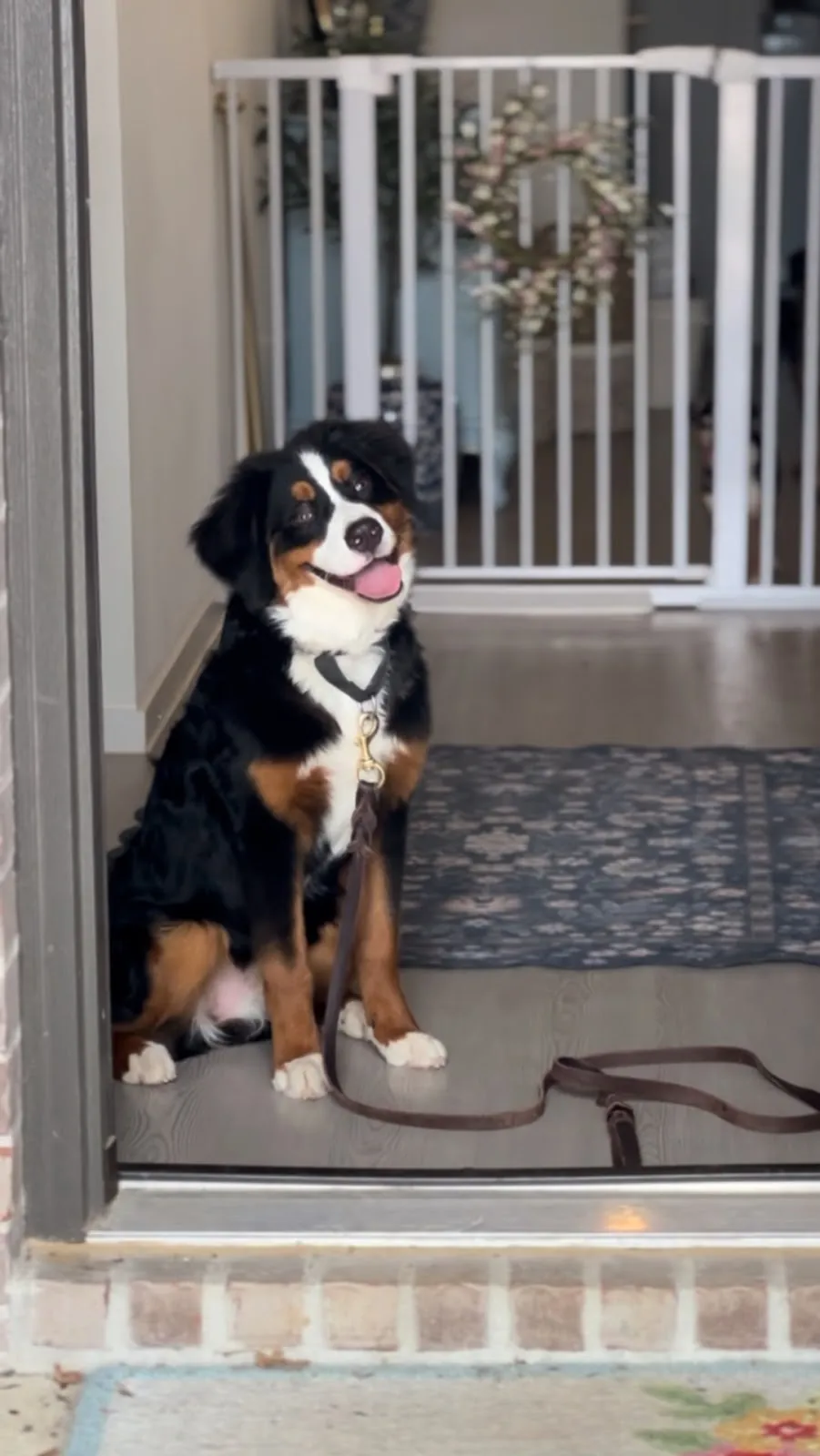
With follow-through, the training does not fade; it keeps improving.
Dogs whose families keep the structure do not plateau at the go-home level. The dog generalizes the rules to new places, the household gets better at the timing, and by six months the dog is more reliable than on pick-up day. That is the pattern our team sees in families who use the lessons and hold the routine, and it is the honest version of what lasting results means.
The programs
Stays that come with what happens after.
The lessons after the program are the part that prevents regression.



Asked and answered
Questions people ask about this.
How long after board and train does regression happen?
Testing starts in the first week home. Regression, if the household allows it, sets in over the first month or two as old routines return. Holding the routine for two weeks and booking a lesson at the first slip prevents it.
Is it normal for my dog to ignore me the first day home?
Yes. The dog is checking whether you run the same rules the trainer did. Answer the test with the routine from the go-home session, one command and one follow-through, and the dog settles into it within days.
What if my dog only listens to the trainer?
That means the handover was not practiced enough at home. Book a lesson, ideally in your house, and run the commands yourself with a trainer coaching. Dogs respond to whoever is consistent, and consistency is learnable.
Will a second board and train be needed?
Rarely, if the routine is kept and lessons are used early. Families do sometimes book a second stay after a big life change, a move or a new baby, and the dog arrives with the foundation already in place.
Does the lifetime support really last a lifetime?
Yes. Gold includes lifelong support, and Platinum and VIP include unlimited lessons for as long as you own the dog. Most families use several in the first months and then check in when life changes.
Keep reading
Free consultation · 10% off this fall
Get a plan that includes what happens after.
Ask our team on the free phone consultation how the lessons work for the program they recommend.