Your first dog
What is the best dog breed for a first-time owner?
A first dog teaches you how to own a dog. The right one lets you make the normal beginner mistakes, like inconsistent rules or a late walk, without those mistakes turning into a serious problem. That is what forgiving means here.
Forgiving traits
Look for a dog that bounces back from beginner mistakes.
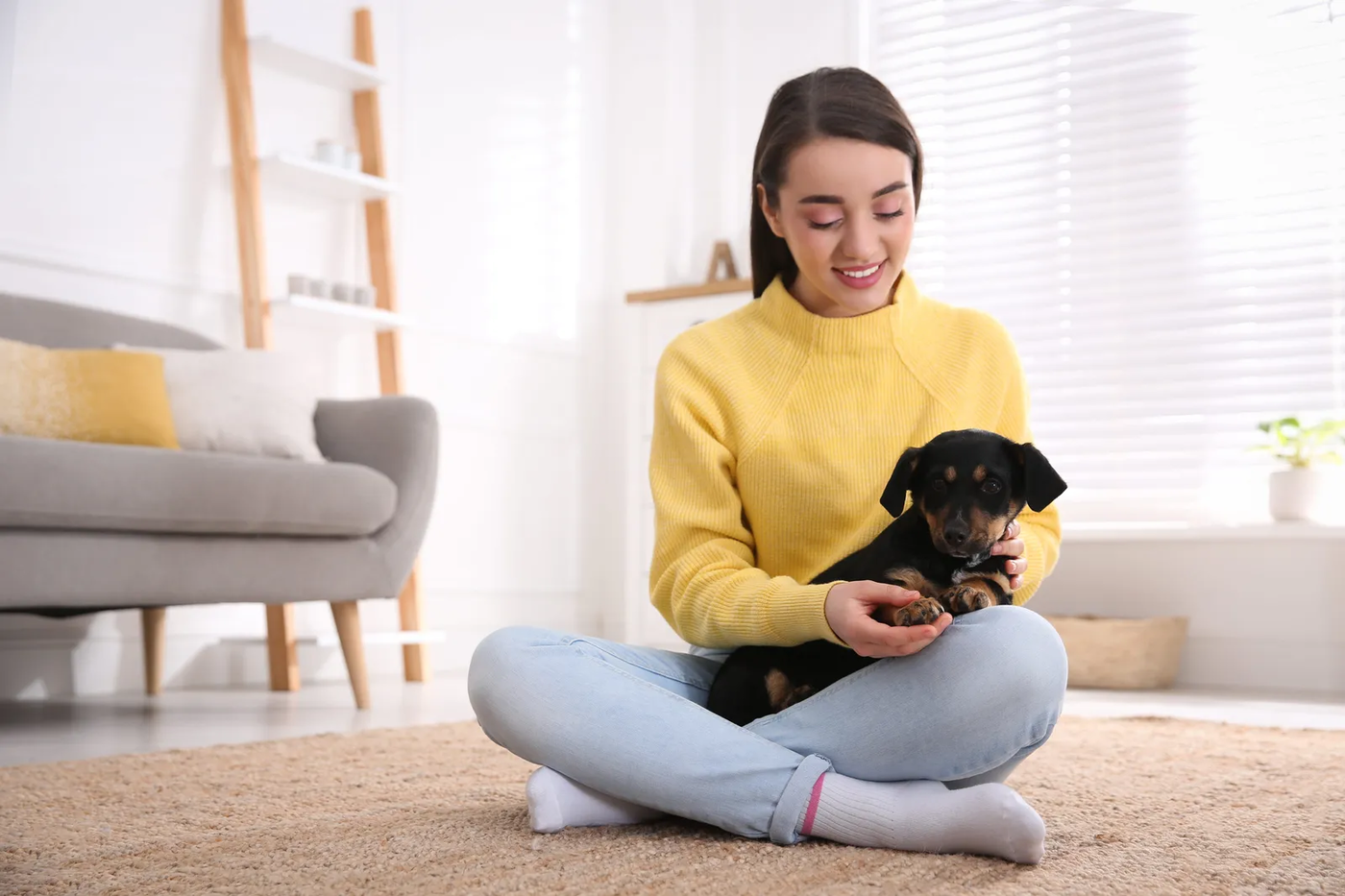
First-time owners are often inconsistent at first. One person lets the dog on the couch and another does not. Walks get skipped on busy days. Training happens in bursts. A forgiving dog tolerates that, wants to work with you and does not take advantage of every gap. Dogs bred to cooperate with people tend to make that easier.
Grooming and health matter too. A dog who needs professional grooming every six weeks or has known breed health issues adds cost and work a new owner may not expect. None of this rules a breed out, but it helps to know what you are signing up for before you fall for a photo.
- Eager to work with people
- Recovers quickly from inconsistency
- Moderate exercise needs
- Grooming and health costs you can plan for
Often recommended
Retrievers, Cavaliers and poodles are common first dogs, with tradeoffs.
Labrador and golden retrievers are friendly, trainable and generally tolerant, which is why they are recommended so often. As young dogs they are also strong, energetic and mouthy, and goldens shed heavily. Cavalier King Charles spaniels are gentle and affectionate, but ask breeders about health testing for the breed's known issues.
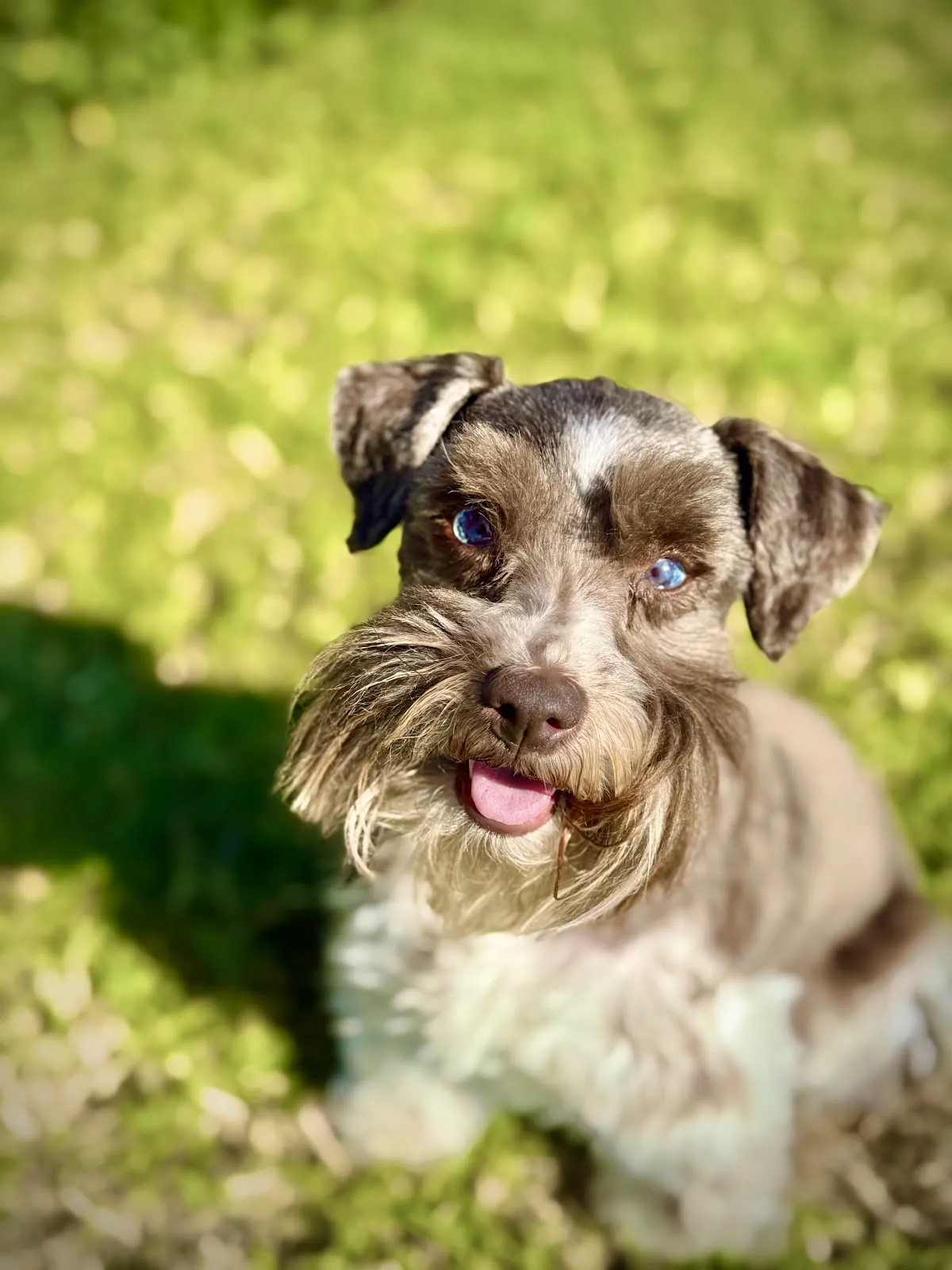
Poodles, in standard and miniature sizes, are smart, trainable and low shedding, but they need regular professional grooming and plenty of mental work. Many mixed breed adults from rescues also make excellent first dogs. Individual dogs vary in every breed, so meet the dog or the parents and ask about energy and temperament directly.
Better later
Independent, high-drive and guardian breeds are usually better as a second dog.
Some breeds are wonderful for experienced owners and hard for beginners. Huskies are often independent and escape-minded. Belgian Malinois and many working-line herding dogs need hours of work and clear handling. Guardian breeds such as Akitas or Cane Corsos can be wary of strangers and need careful socialization and confident leadership.
That does not mean a first-time owner can never succeed with these breeds. It means the margin for error is smaller, and a mistake can lead to serious behavior problems in a large, strong dog. If your heart is set on one, plan for professional training from the start and be honest about your time.
- Independent, escape-minded breeds
- Working lines that need hours of daily work
- Guardian breeds wary of strangers
- Any large, strong dog with an unknown history
Puppy or adult
A calm adult dog can be the easiest first dog of all.
Puppies are a lot of work: house training, nipping, chewing, night wake-ups and the teenage months, when many dogs seem to forget everything. An adult dog from a reputable rescue or foster program often arrives house trained, with a known temperament and a clear energy level, which removes much of the guesswork.
Ask the rescue for a dog who has lived calmly in a foster home, ideally one like yours. A three-year-old dog who already settles in the evening and walks reasonably well on leash gives a first-time owner the chance to learn without fighting through puppy stages at the same time.
The first month
A simple plan for the first month covers most beginner problems.
First-time owners do best when they decide the rules before the dog arrives. This order keeps the first month calm and predictable.
- Agree as a household on the rules: furniture, bedrooms, feeding, who walks the dog and when.
- Set up a crate or pen and a feeding spot before the dog comes home.
- Start a daily routine on day one for meals, potty breaks, walks and rest.
- Teach three cues in short daily sessions: name, sit and place.
- Book a vet visit in the first week and a training session in the first month.
The programs
Start your first dog with a plan.
The $99 new dog consultation by phone or Zoom helps first-time owners pick a breed and set up the first month. Greater Houston families can also book in-person puppy sessions.
$99per session
Phone or Zoom, anywhere in the US
Virtual consultation with our head trainer
One-on-one guidance for behavior, a new dog, introductions or a new puppy.
Is a Labrador a good first dog?
Often, yes. Labs are friendly, trainable and generally forgiving. As puppies and young adults they are also energetic, strong and mouthy, so plan for daily exercise and training. An adult Lab from a rescue or breeder may suit a first-time owner better than a young puppy.
Should a first-time owner get a puppy?
It can work well with time and patience, but puppies are demanding: house training, nipping, chewing and the teenage months. A calm adult dog with a known temperament is often an easier first dog. If you choose a puppy, set the routine and the rules before the puppy comes home.
Are small dogs easier for first-time owners?
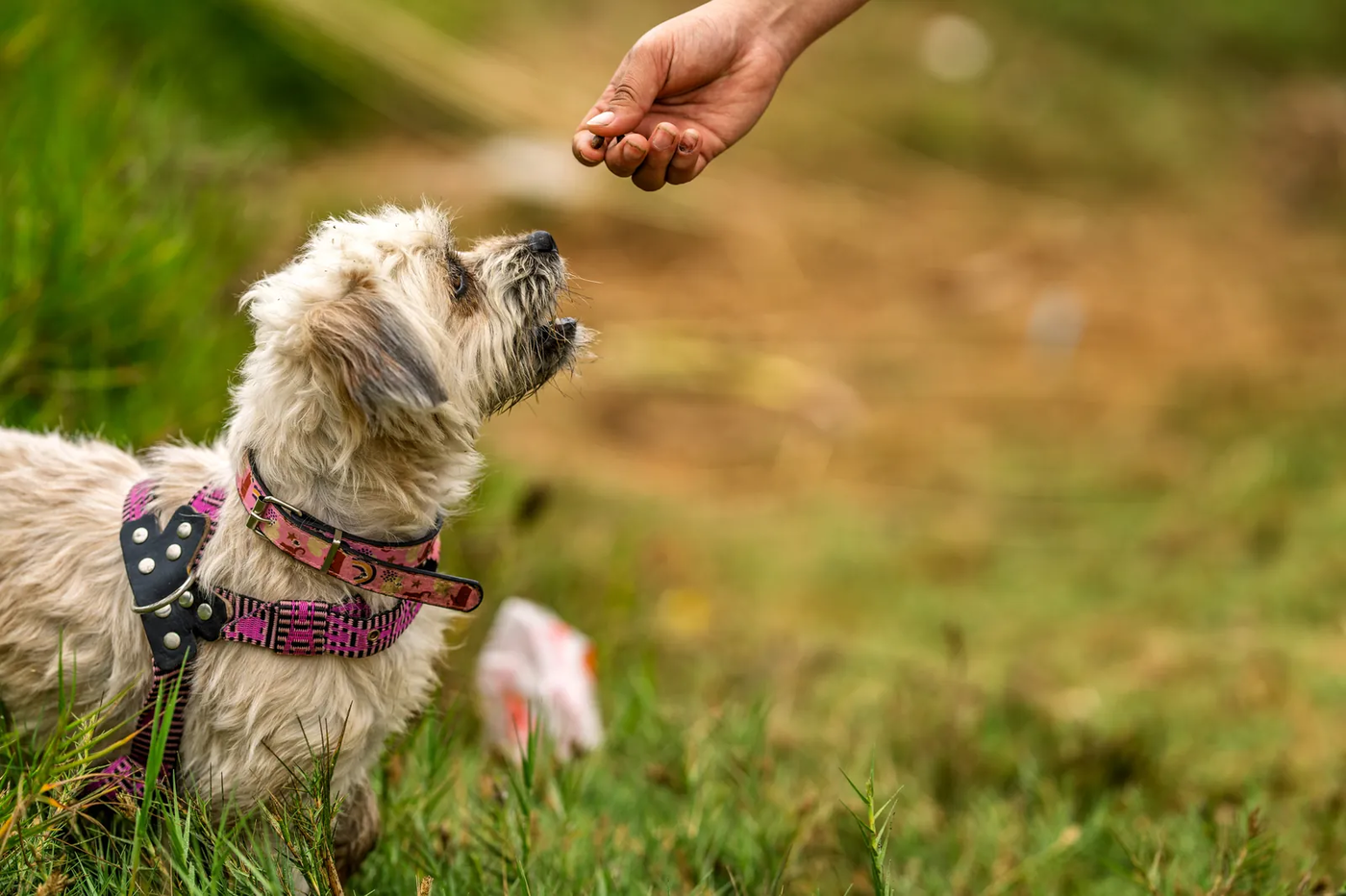
Not always. Small dogs are easier to carry and need less food, but some small breeds are vocal, harder to house train or fragile. Size matters less than energy, temperament and how willing the dog is to work with you. Look at the individual dog first.
Which dog breeds are hardest for beginners?
Breeds that are very independent, very high in drive or bred to guard are usually harder, such as huskies, Belgian Malinois and many guardian breeds. A first-time owner can succeed with them, but the margin for error is smaller and professional help is wise from the start.
Can I talk to a trainer before getting my first dog?
Yes. A $99 new dog consultation by phone or Zoom is built for exactly that. Our head trainer helps you think through breeds, puppy versus adult, and the first month, so you start with a clear plan instead of guessing.
Virtual session, $99
Get your first dog right from day one.
A $99 new dog consultation by phone or Zoom, anywhere in the US, helps first-time owners choose a breed that fits and plan the first month.