
Aggressive dogs
Does board and train work for aggressive dogs?
Aggression is where board and train earns or loses its reputation. Done in a facility with rotating staff and no handover, it fails and people write about it. Done in a home by one experienced trainer with the owner taught at the end, it is the most effective tool there is. This page is honest about both.
Last reviewed September 10, 2026 · by the Best Dog University Team
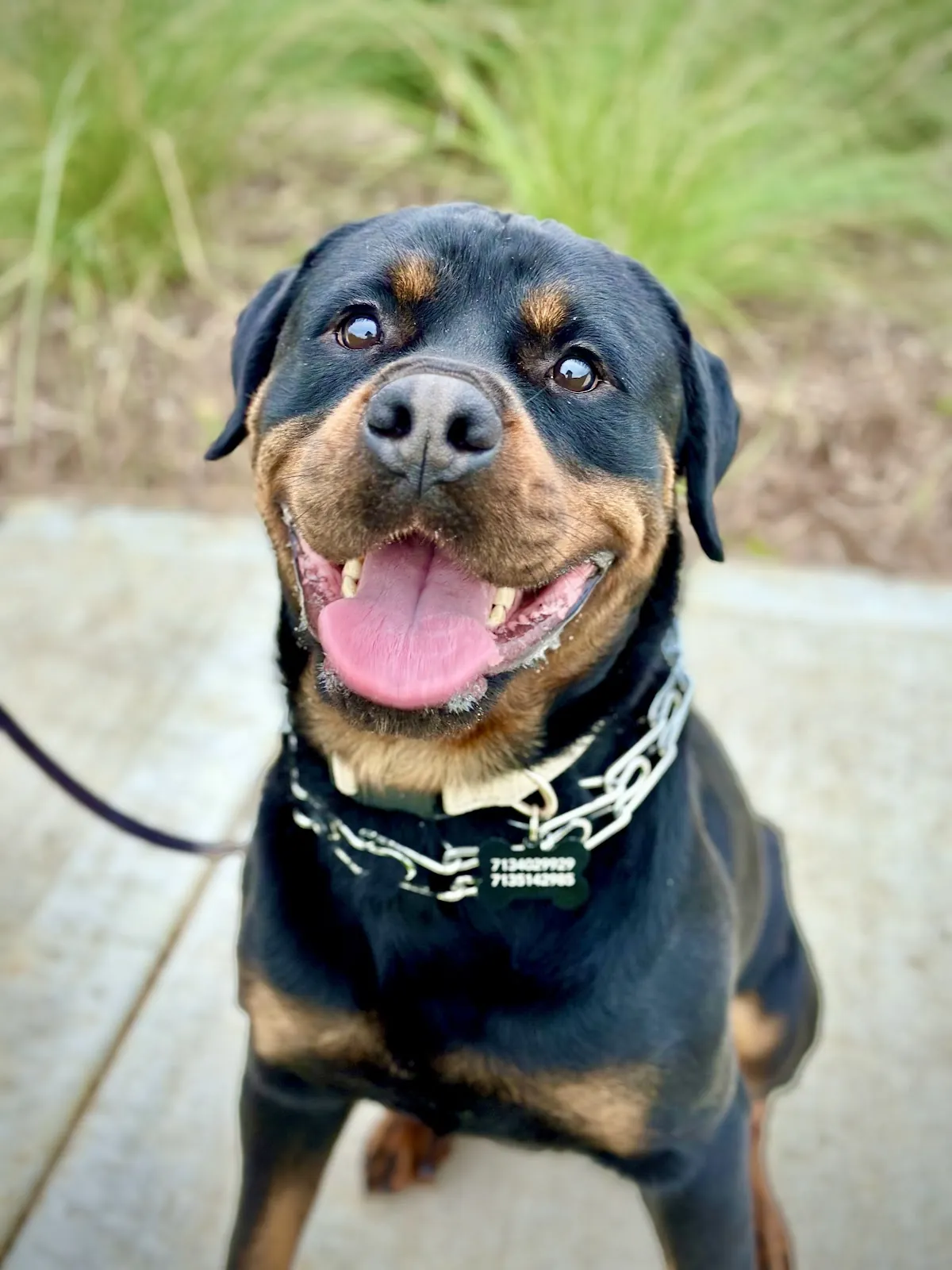
Start with the cause
The plan depends on why the dog is aggressive, so the consultation comes before the booking.
Fear, resource guarding, frustration, pain, a long history of rehearsal, or a dog that was never given leadership and took it. Each produces growling and biting; each needs a different plan. Our team takes the full history on the free phone consultation, including every bite, and meets the dog safely in person before any program is booked. A sudden change in an older dog gets sent to the vet first, because pain looks like aggression.
That honesty extends to the recommendation. Some cases fit Platinum, some need VIP, and a few need a veterinary behaviorist alongside training. Hearing that before you pay is the point.
- Full history including bites, on the call
- In-person consultation before booking
- Vet first for sudden changes
- A straight answer about which program, or whether
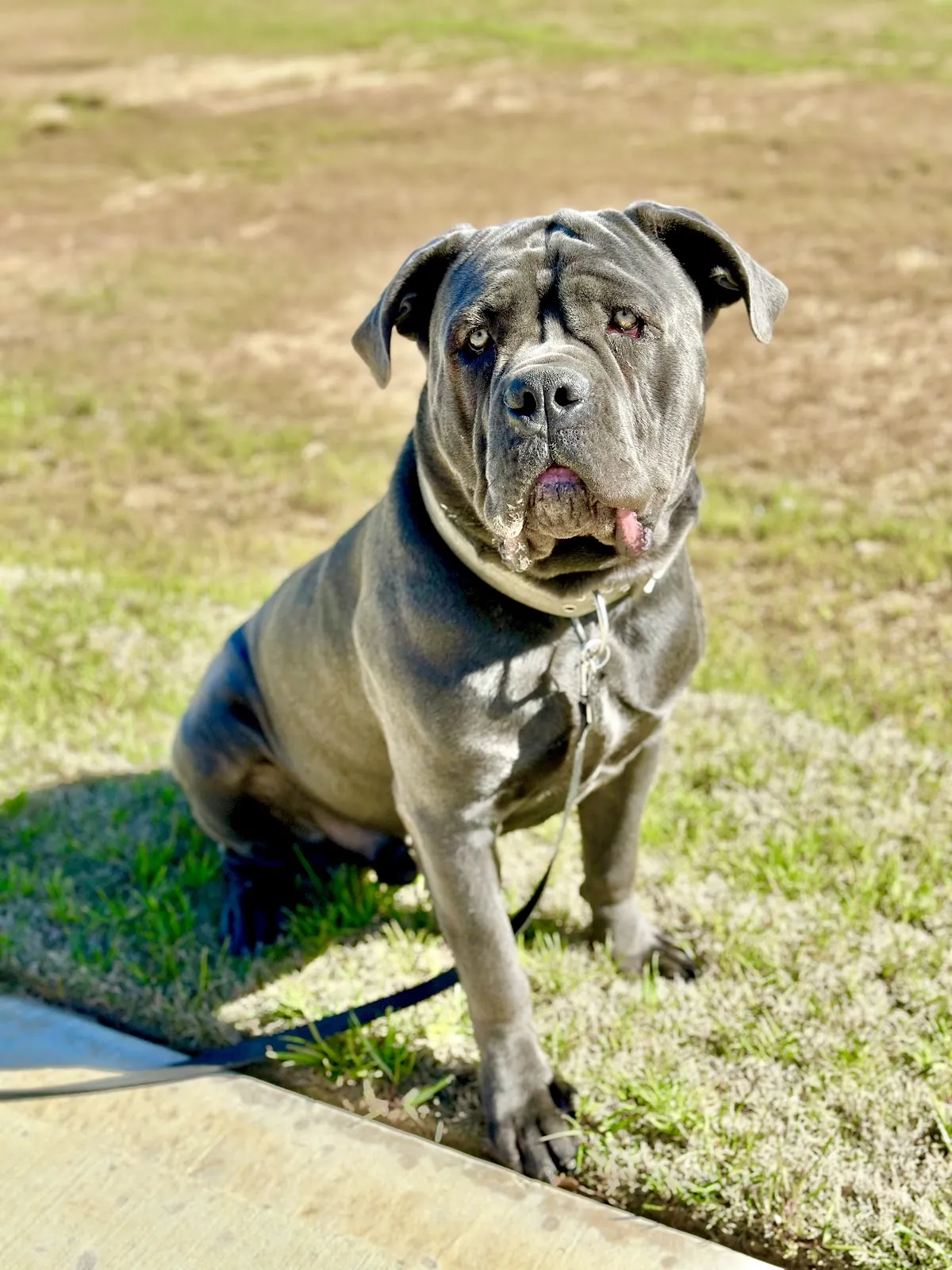
Why a home works
Structure removes the reasons to fight, and a house is where structure is real.
In our Cypress training home an aggressive dog learns a framework before it learns anything about its trigger: place with duration, a structured heel, waiting at doors, calm in the crate, earned meals. A dog with clear rules is making fewer decisions, and most of the decisions an aggressive dog makes badly are the ones it should never have owned. Many settle noticeably inside the first days.
Then the trigger is introduced at a distance and intensity the dog can handle, the calm alternative is rewarded, and it is repeated hundreds of times over the program: at a real front door with real deliveries, at a fence line, on Cypress sidewalks, in store aisles. A kennel run offers none of those places.
What the program looks like
Structure, then controlled exposure, then public, then the management plan.
The first days are the framework. The second week introduces the specific trigger, another dog at a distance, a stranger at the door, a hand near the food bowl, with the dog succeeding every time because the setup is controlled. The third week moves into public on field trips chosen for the dog. Bite-history dogs in the VIP program get six weeks of that arc plus the Mini-Educator for clear communication, introduced properly.
The last day is the handover, which for aggression cases includes a written management plan: the situations that will always need one, how to run them, and what to do the first time the dog tests at home.
Framework: place, crate, doors, earned meals, structured heel.
Trigger at a distance the dog can hold, calm rewarded.
Repetition at real doors, fences and sidewalks.
Public proofing on field trips (Platinum and VIP).
Handover with you on the leash and a written management plan.
Unlimited lessons after Platinum, unlimited in-home after VIP.
When it does not work
It fails without a handover, without a management plan, or with a medical cause.
The failures are consistent: a dog returned without the owner being taught, a household that put the couch and the food bowl back on the old rules, or a dog whose aggression came from pain or a neurological problem that no training reaches. Best Dog University guards against the first two by design and screens for the third on the call and at the consultation.
Reduced and managed is the honest promise. Most aggressive dogs come home dramatically calmer with clear rules and an owner who can run them. The management plan exists because a few situations will always need one, and pretending otherwise is how people get hurt.
- No handover: the dog reverts
- Old rules at home: the dog reverts
- Pain or neurological cause: training cannot reach it
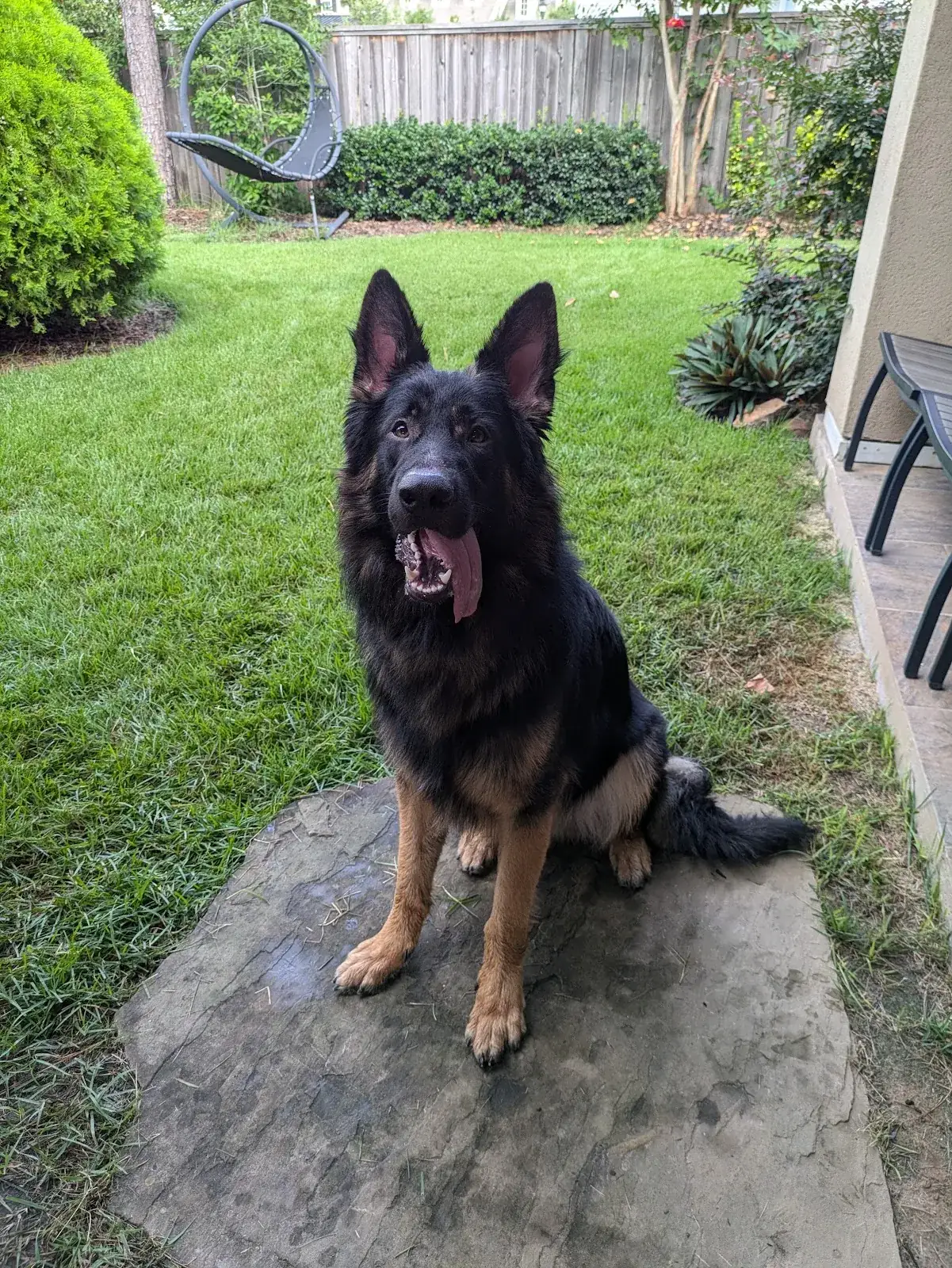
Houston cases
Powerful breeds on acreage and busy front doors make local aggression cases their own kind of work.
Northwest Houston has a lot of corsos, shepherds, Malinois, Rottweilers and bully breeds, many with a job in their blood and none in their day, living behind fences with a dog on the other side and a front door that opens twenty times a day. The program uses those realities: real deliveries, real fence lines, real sidewalks, early and late in summer. Families from Katy, The Woodlands and Spring drive to Cypress for the consultation and drop-off, or use the $250 transportation service.
The programs
The two programs for aggression.
Platinum for most cases, VIP for bite histories and off-leash goals.


Asked and answered
Questions people ask about this.
Can aggression be trained out of a dog?
It can be dramatically reduced and reliably managed in most dogs with structure, controlled exposure and a household that keeps the routine. It is not cured. Our team is honest on the free call about what is realistic for your dog and about cases that need a vet or a behaviorist alongside training.
Do you take dogs that have bitten a person?
Yes. Tell our team the full history, including every bite, on the free call. The in-person consultation happens before any program is booked, and bite histories usually mean the six-week VIP program with a written management plan at the handover.
Is my aggressive dog safe around the other dogs in the home?
A limited number of dogs live in the home, all known to our team and managed individually. An aggressive dog is never put into a group. Exposure to other dogs is planned by distance and duration and grows only as the dog proves it can stay calm.
How much does aggressive dog training cost?
At Best Dog University, Platinum is $3,750 for three weeks and VIP is $10,000 for six. Both include behavior modification and a handover session; VIP adds the Mini-Educator, transport home, an in-home handover and unlimited in-home lessons.
Will I need a muzzle after the program?
Some dogs keep a muzzle for specific situations as part of the management plan, and our trainers teach calm muzzle wear when it is warranted. Many do not need one. The plan is honest about which situations still need management and which do not.
Keep reading
Free consultation · 10% off this fall
Tell our team the whole story, bites included.
The free phone consultation is where the honest plan starts. No cost, no obligation.